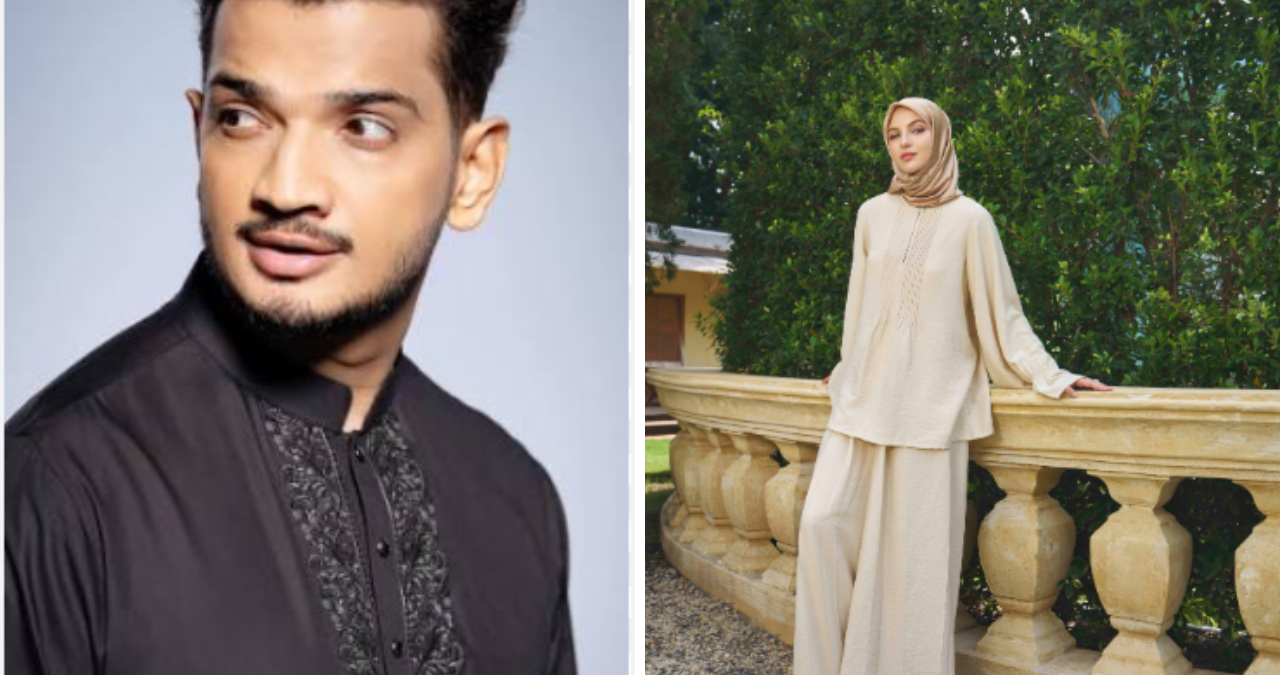
Modest fashion used to be treated as a niche corner of the industry, something reserved for a handful of specialty retailers and religious communities. That’s no longer an accurate picture. Today, fashion sits at the intersection of faith, culture, sustainability, and mainstream style, and it’s become one of the fastest-growing segments in global apparel — with Muslim spending on fashion alone forecasted to reach $433 billion by 2028, according to DinarStandard’s State of the Global Islamic Economy report.
This guide breaks down what modest fashion actually means, why it’s grown into a genuine commercial force, which markets and brands are leading the movement, and how anyone — regardless of religion or background — can build a modest wardrobe that feels intentional rather than restrictive. Whether you’re new to the concept or you’re already part of the community driving this shift, you’ll come away with a clearer, more grounded understanding of where modest fashion stands today.
What Is Modest Fashion?
Modest fashion refers to clothing designed to provide fuller coverage of the body — typically longer sleeves, higher necklines, looser silhouettes, and less form-fitting cuts — while still prioritizing style, quality, and personal expression. It’s most closely associated with Islamic dress traditions, including hijabs, abayas, and jilbabs, but modest fashion also extends into Christian, Jewish, and secular contexts, appealing to anyone who prefers coverage for religious, cultural, or purely aesthetic reasons.
What separates modest fashion from simply “conservative clothing” is intentionality. A modest fashion garment isn’t just clothing that happens to cover more skin; it’s designed from the outset with modest silhouettes in mind, often incorporating layering, structured tailoring, and fabric choices that maintain elegance without relying on tightness or exposure to signal style. This is why modest fashion has increasingly attracted designers with no personal religious motivation at all — the aesthetic itself, built around drape, proportion, and craftsmanship rather than skin exposure, has genuine appeal on its own terms.
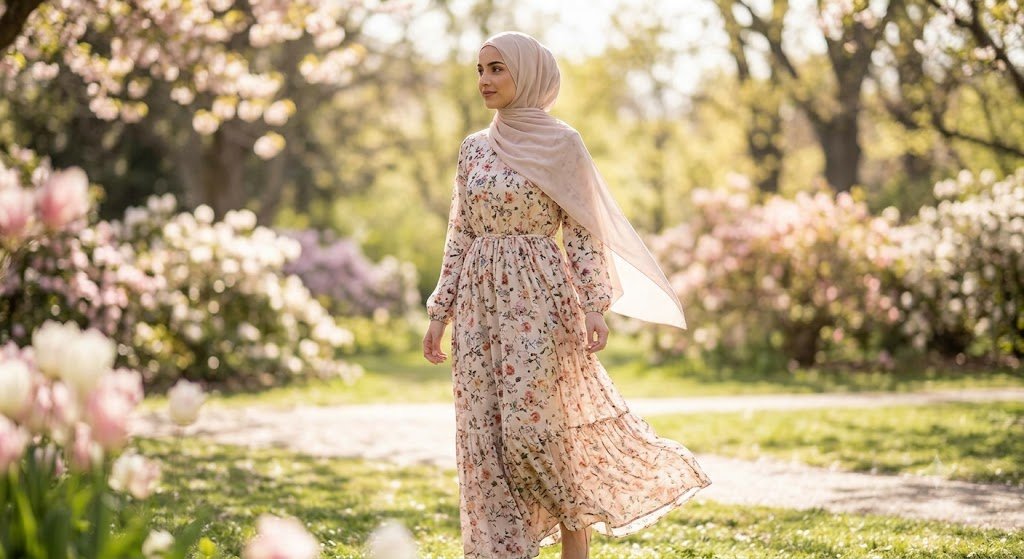
The Global Market Behind Modest Fashion
The scale of modest fashion today is easy to underestimate if you’re only encountering it through a single retailer or influencer. Turkey is currently the largest consumer market for modest fashion, with spending reaching an estimated $38 billion, followed closely by the United Arab Emirates at roughly $23 billion and Saudi Arabia at around $18 billion. Indonesia isn’t far behind, with fashion consumption valued at approximately $16 billion, while Nigeria leads the category across Africa with spending topping $10 billion.
These figures matter because they demonstrate that modest fashion isn’t a fringe trend propped up by a single region — it’s a genuinely global category with distinct hubs across the Middle East, Southeast Asia, and Africa, each with its own aesthetic sensibilities and retail infrastructure. Analysts project the broader modest apparel market could climb from roughly $96 billion in 2025 to well over $139 billion by 2033, and some market researchers put the wider
clothing category on a path toward $208 billion globally by the early 2030s. Demographic trends only reinforce that trajectory: by 2030, Muslims are expected to make up nearly a third of the world’s population, with more than half under the age of 25 — a young, digitally connected consumer base that’s already shaping how fashion gets marketed and sold.
How Mainstream Brands Entered Modest Fashion
A decade ago, modest fashion collections were largely confined to specialty retailers or limited-run capsule collections stocked only in Middle Eastern stores. That’s changed dramatically. Between 2014 and 2018, major labels including DKNY, Tommy Hilfiger, Michael Kors, Mango, and H&M all launched Ramadan capsule collections aimed at Gulf shoppers, and the trend has only accelerated since. Nike’s Pro Hijab, launched to serve Muslim female athletes, became one of the most visible signals that fashion had moved from niche accommodation to genuine product innovation, while Adidas featured a hijab-wearing woman in a major global campaign as early as 2016.
High-street retailers followed close behind: as of recent counts, at least a dozen major chains, including H&M and Zara, have released dedicated modest collections, and Net-a-Porter now curates an annual “Ramadan Edit” featuring exclusive capsules from more than twenty brands. Luxury has entered the space too, sometimes with more care than others. When German luxury label MCM launched its first Ramadan collection, it invited French-Moroccan hijabi influencer Hanan Houachmi to co-design the line rather than simply marketing to the community from the outside — a distinction that industry insiders increasingly view as the difference between authentic engagement with modest fashion and superficial trend-chasing.
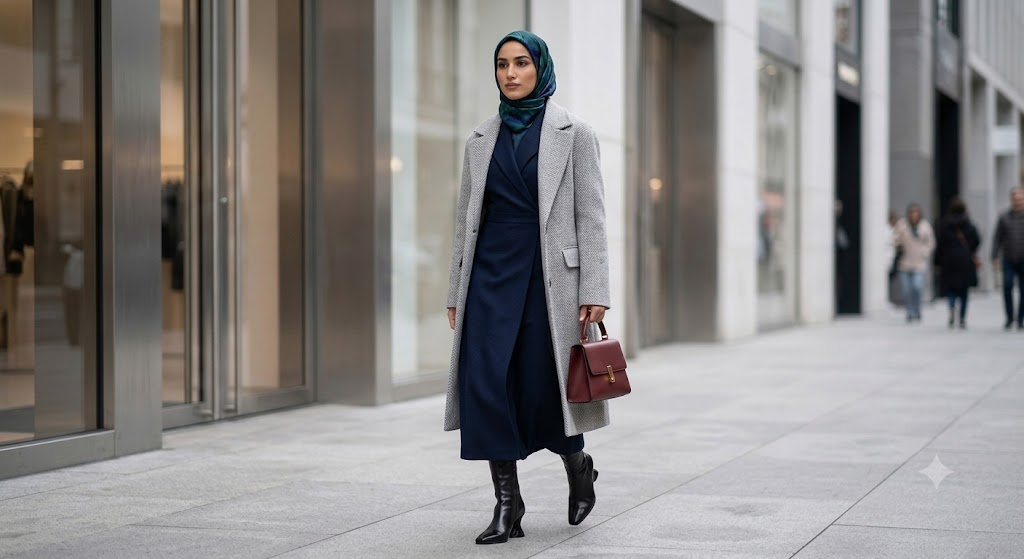
The Runway and Cultural Visibility of Modest Fashion
fashion has also claimed real estate on the runway, not just in retail catalogs. Paris Modest Fashion Week has become a legitimate fixture on the international fashion calendar, drawing influencers, buyers, and journalists into historic venues to watch collections that blend traditional coverage with unmistakably contemporary design. At a recent edition, French label Soutoura showed a crystal-embellished crochet balaclava alongside a denim maxi dress with cargo pockets — proof that modest fashion is just as capable of streetwear edge and unexpected material experimentation as any mainstream runway show.
That visibility hasn’t come without tension, though, and it’s worth being honest about it. Modest fashion‘s move into luxury and mainstream spaces can feel both progressive and exclusionary at once, depending on who’s telling the story. As hijabi writer Hoda Katebi has pointedly put it, a turtleneck reads as “elegant” on one body and as evidence of “oppression” on another. That double standard is part of why professionals working in the space emphasize the importance of collaborating directly with designers and content creators from within the communities fashion actually serves, rather than allowing the aesthetic to be reduced to a single, homogenized look borrowed without context.
Building a Modest Fashion Wardrobe That Works
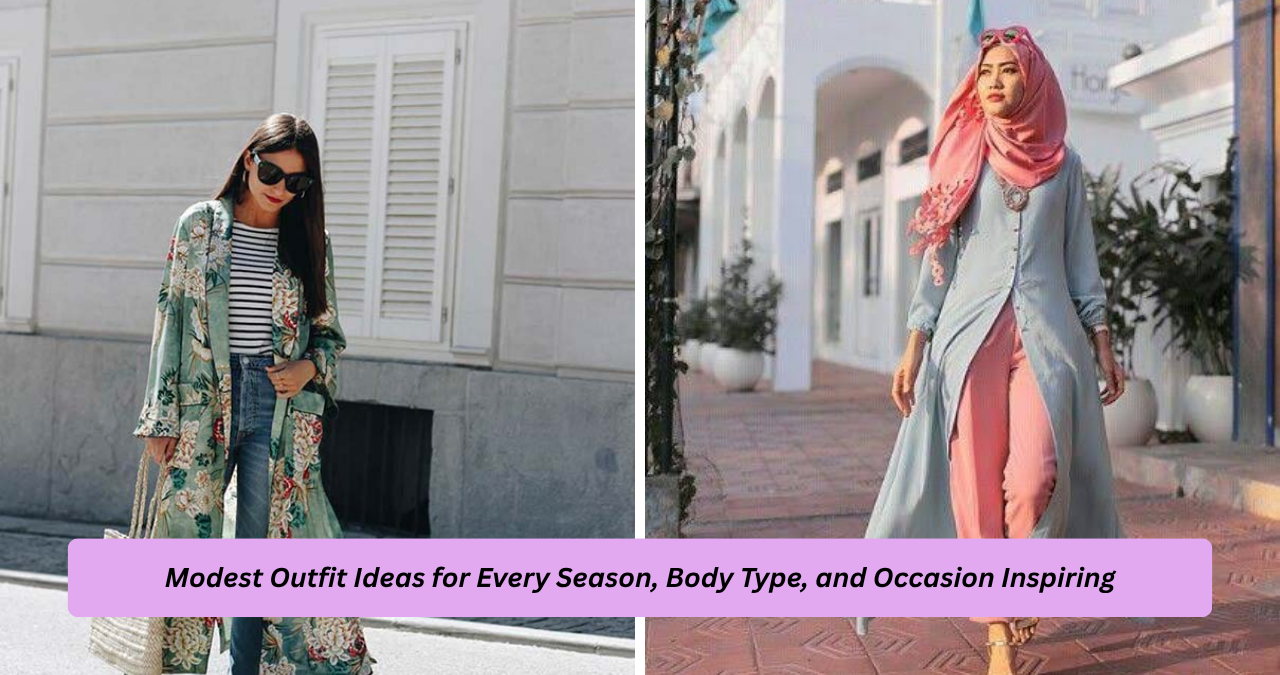
If you’re building a fashion wardrobe from scratch, the most useful place to start isn’t a specific garment — it’s fabric and silhouette. Flowing materials like linen, chiffon, cotton blends, and silk tend to perform best for modest fashion because they drape rather than cling, allowing loose-fitting pieces to still look intentional rather than shapeless. Layering is the other foundational skill: long vests, oversized blazers, and flowy cardigans let you build outfits that transition from casual daytime wear to more elevated evening looks without sacrificing coverage at any point.
Color and proportion do a lot of heavy lifting too. Earthy tones like olive and beige, soft pastels such as lavender and mint, and the occasional bold accent in emerald or burgundy are consistently popular within fashion because they photograph well against looser, more voluminous silhouettes. Statement sleeves, pleated detailing, and asymmetrical cuts are increasingly common design choices as well, giving fashion pieces visual interest that doesn’t rely on exposed skin to hold attention. The goal isn’t to hide personal style behind coverage — it’s to let structure, texture, and color do the expressive work that a plunging neckline or a bodycon cut might otherwise handle in mainstream fashion.
Modest Fashion Market Snapshot
| Market or Segment | Estimated Value | Notable Detail |
|---|---|---|
| Turkey | $38 billion | Largest single consumer market for modest fashion |
| United Arab Emirates | $23 billion | Second-largest global modest fashion market |
| Saudi Arabia | $18 billion | Ranks third globally in modest fashion consumption |
| Indonesia | $16 billion | Home to Dian Pelangi, a leading fashion brand |
| Nigeria | $10 billion+ | Largest fashion market in Africa |
| Global Muslim fashion spend | $433 billion by 2028 | Projection from DinarStandard’s Islamic Economy report |
Frequently Asked Questions About Modest Fashion
What counts as modest fashion?
Modest fashion refers to clothing intentionally designed with fuller coverage in mind, including longer sleeves, higher necklines, and looser silhouettes, while still prioritizing style and craftsmanship. It includes garments like hijabs, abayas, and maxi dresses, but the category has expanded well beyond religious dress to include anyone who prefers a more covered aesthetic.
Is modest fashion only for Muslim women?
No, although modest fashion has strong roots in Islamic dress traditions and remains closely associated with them, it also serves Christian, Jewish, and secular consumers who prefer more coverage for personal, cultural, or purely stylistic reasons. Mainstream retailers have increasingly marketed fashion collections to a broad, non-religious customer base as well.
Which countries lead the modest fashion market?
Turkey currently leads global modest fashion spending at approximately $38 billion, followed by the United Arab Emirates and Saudi Arabia, with Indonesia and Nigeria representing major markets in Southeast Asia and Africa respectively. Together, these markets illustrate how genuinely global the modest fashion industry has become
What fabrics work best for modest fashion?
Flowing, breathable fabrics such as linen, chiffon, cotton blends, and silk are generally considered ideal for fashion because they drape naturally rather than clinging to the body, allowing loose and layered silhouettes to look deliberate and elegant rather than simply oversized.
Why have luxury brands started investing in modest fashion?
Luxury brands have entered modest fashion largely because of its scale and growth potential, with Muslim fashion spending alone projected to reach $433 billion by 2028. Brands that collaborate directly with designers and influencers from within the modest fashion community, rather than simply repackaging existing designs, have generally been received more favorably than those treating it purely as a marketing opportunity.
Modest fashion is a timeless style that emphasizes elegance, comfort, and confidence while maintaining tasteful coverage. It is embraced by people from diverse cultures, religions, and personal preferences, proving that dressing modestly does not mean sacrificing creativity or modern trends. From flowing maxi dresses and tailored blazers to wide-leg trousers, layered outfits, and stylish hijabs, modest fashion offers countless ways to express individuality with sophistication. In recent years, the industry has grown rapidly as designers and global fashion brands introduce collections that combine contemporary designs with modest silhouettes. Whether for everyday wear, professional settings, or special occasions, modest fashion allows individuals to create polished, versatile looks that reflect both their personal style and their values
Final Thoughts on Modest Fashion
Modest fashion has moved decisively from the margins of the industry to its center, driven by genuine consumer demand, a young and expanding global population, and designers who’ve proven that coverage and creativity are not opposites. From Paris runways to high-street capsule collections to a thriving market of independent designers across Turkey, Indonesia, and beyond, fashion now represents one of the most commercially significant and culturally meaningful shifts happening in apparel today. Anyone looking to understand where fashion is heading next would do well to keep watching fashion closely — it’s no longer a niche worth a footnote, but a movement shaping how the entire industry thinks about style, identity, and coverage