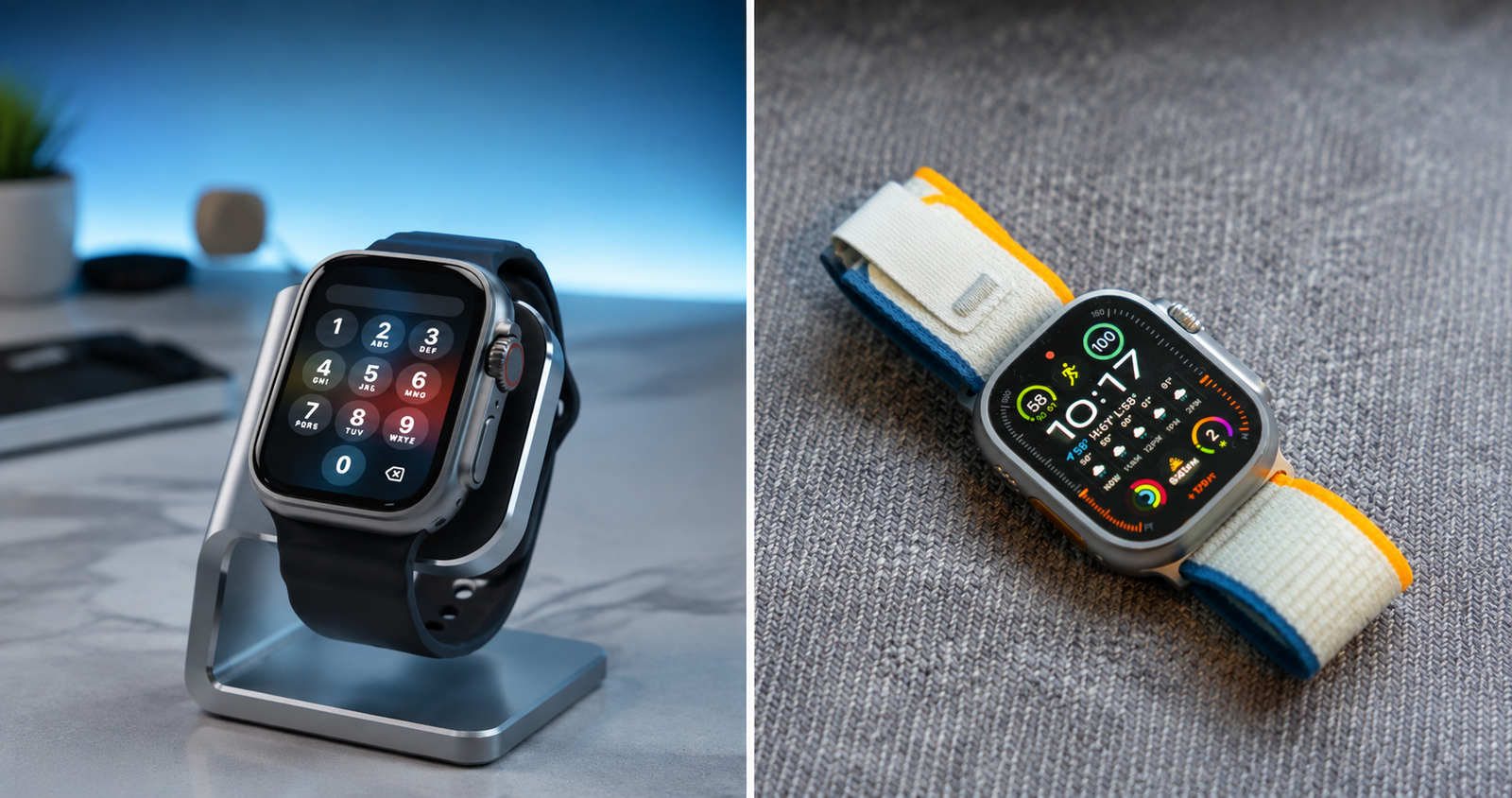

Every seasoned traveler has a version of the same story: a bag full of tangled cables, a phone dying halfway through a layover, or a suitcase that came in three pounds over the limit at check-in. Travel gadgets exist to solve exactly these problems, and 2026 has been a genuinely good year for the category. USB-C standardization has finally delivered on its promise, noise cancellation has shrunk small enough to disappear into an earbud, and power banks have figured out how to work seamlessly with MagSafe — meaning the travel gadgets filling carry-ons this year are smaller, smarter, and more useful than what was available even two or three years ago.
This guide breaks down which travel gadgets genuinely earn a spot in your bag, why certain categories matter more than others, and how to navigate the TSA rules that govern what you can actually bring through security. Whether you’re a once-a-year vacationer or someone racking up dozens of flights annually, you’ll walk away with a clear, practical framework for choosing travel gadgets that solve real problems instead of collecting dust in a drawer.
What Counts as a Travel Gadget?
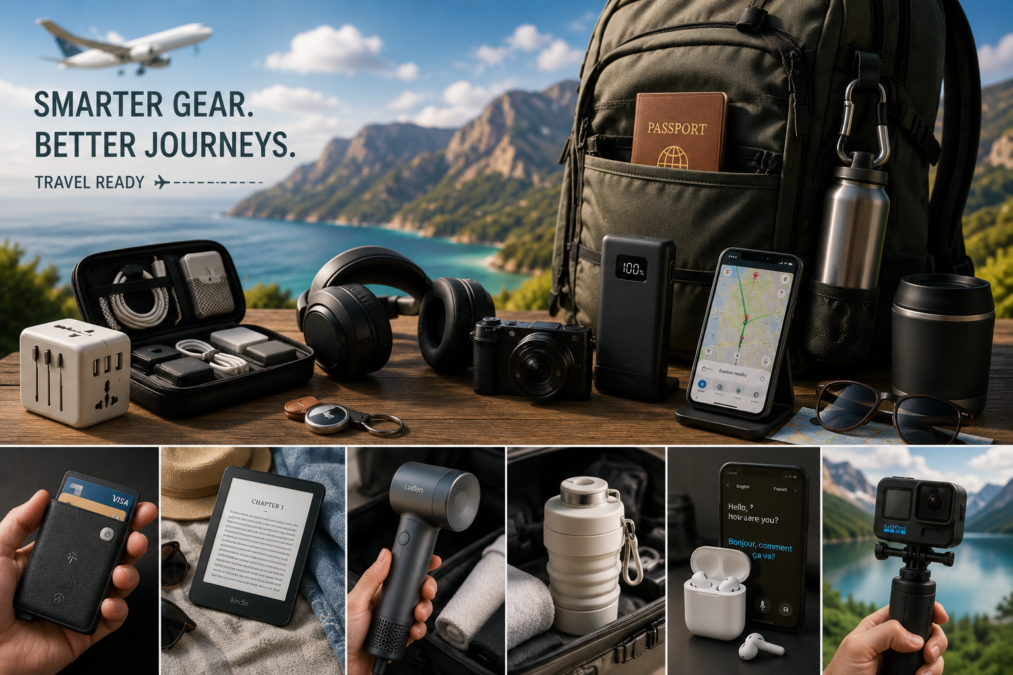
Travel gadgets are portable electronic or mechanical tools specifically designed to solve problems unique to being away from home — charging devices without reliable outlets, tracking luggage that airlines occasionally misplace, converting plug types across countries, or simply making a cramped economy seat more bearable. The category spans a wide range, from genuinely high-tech items like GPS luggage trackers to deceptively simple tools like a digital luggage scale that costs less than fifteen dollars but reliably prevents an overweight baggage fee.
What separates a worthwhile travel gadget from clutter is whether it earns its space in a bag that’s already fighting for every cubic inch. The best travel gadgets tend to consolidate multiple functions into a single device — a universal adapter that replaces three separate chargers, or a pair of earbuds that replace both headphones and earplugs on a red-eye flight. As one product roundup covering this year’s category put it, the defining trend running through the best travel gadgets right now isn’t a single flashy breakthrough, it’s how entire categories have quietly leveled up together, from tracker tags becoming a packing essential to universal adapters finally shedding their bulk.
Power and Charging: The Foundation of Modern Travel Gadgets
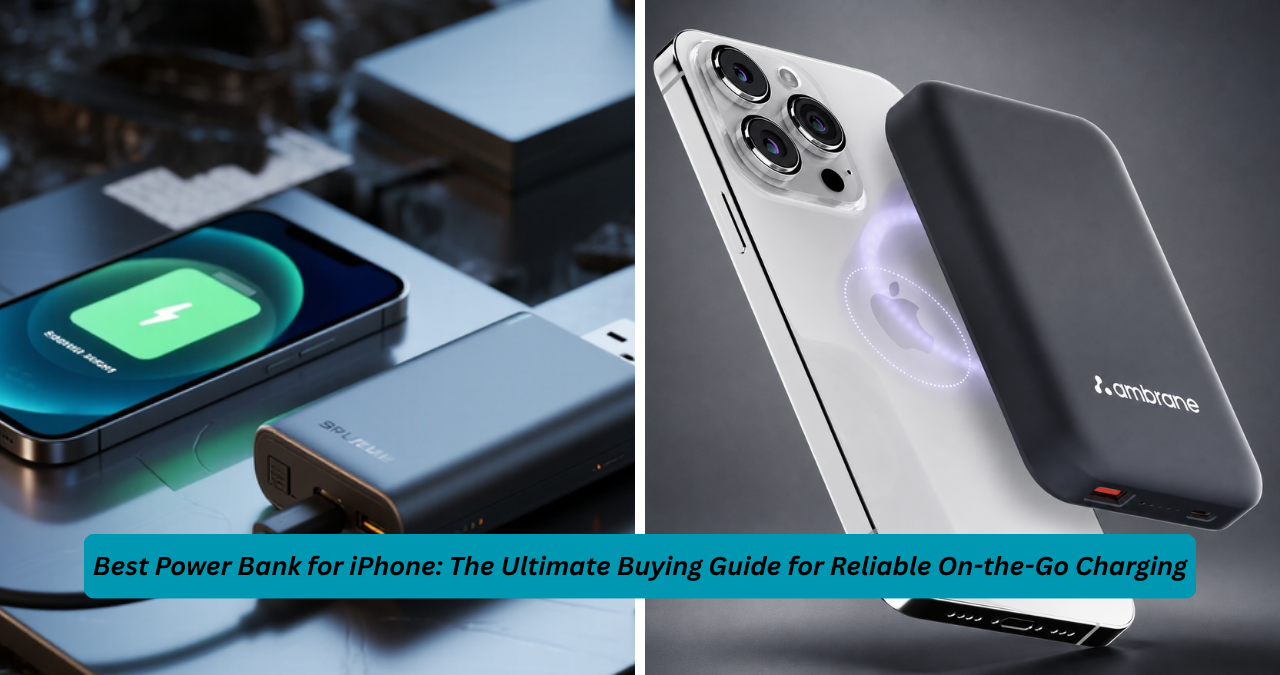
No category of travel gadgets matters more consistently than power and charging, because a dead phone or laptop can derail everything from boarding passes to hotel check-ins. Compact power banks remain the backbone of this category, and 2026’s models have genuinely improved thanks to MagSafe compatibility, letting a wireless charger snap directly onto the back of a phone without a cable at all. USB-C standardization has also simplified things considerably — where travelers once needed separate cables for a laptop, phone, and camera, a single USB-C cable can now often handle all three.
It’s worth understanding the practical rules around battery-based travel gadgets before you pack them, since airlines and the TSA treat lithium batteries differently than most other electronics. Lithium batteries must be packed in carry-on luggage rather than checked bags, and most airlines cap allowable battery capacity at 100
watt-hours without special approval. If your travel gadgets include smart luggage with a built-in charger, the battery generally needs to be removable so it can be taken out at security if requested — a detail that catches new travelers off guard more often than almost any other TSA rule. Keeping your charging-related travel gadgets organized in a dedicated tech pouch isn’t just tidy; it genuinely speeds up the security screening process when an agent needs to inspect them individually.
Connectivity and Navigation Travel Gadgets
Staying connected while traveling internationally used to mean either eye-watering roaming fees or hunting down a local SIM card in an unfamiliar airport. Unlocked GSM phones and eSIM-compatible devices have largely solved that problem, letting travelers download a local data plan before they even land. Multi-device chargers and cord organizers round out this category by keeping the inevitable tangle of connectivity-related travel gadgets contained rather than scattered across the bottom of a backpack.
Luggage tracking has become one of the more universally adopted travel gadgets in this category, and for good reason. A small tracker tag, tucked into a checked bag or a backpack’s hidden pocket, gives real-time location data if an airline misplaces your luggage — a problem that remains stubbornly common on connecting flights. Several gear guides specifically call out tracker tags as having gone from a nice-to-have to a genuine packing essential this year, largely because the peace of mind they offer costs so little relative to the anxiety of watching an empty baggage carousel spin without your suitcase on its
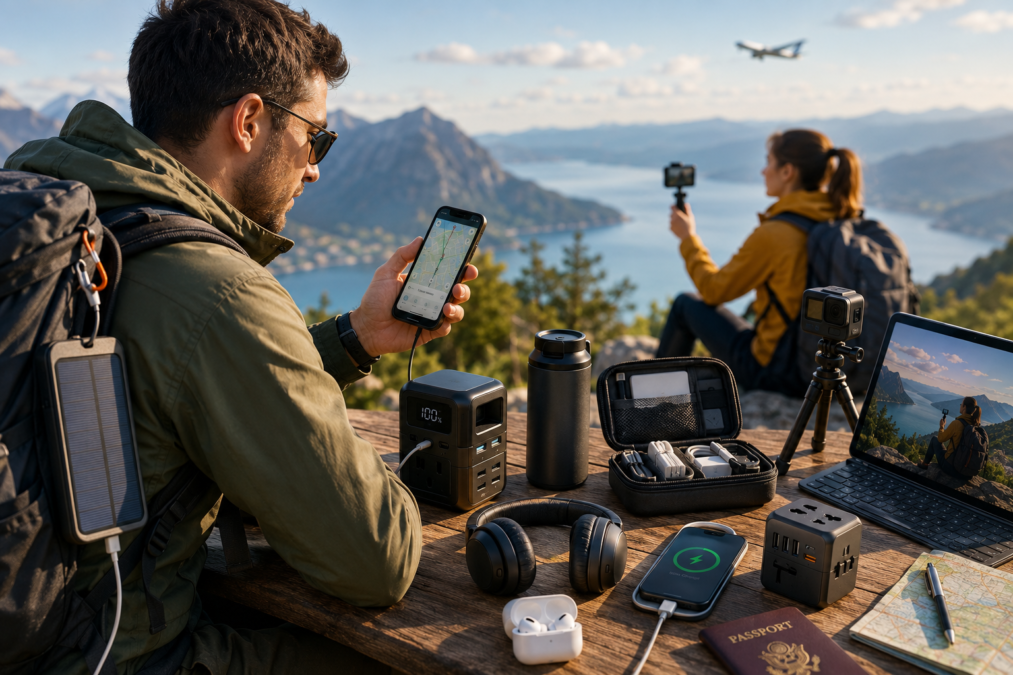
Organization-Focused Travel Gadgets That Actually Save Space
Not every useful travel gadget involves a battery or a screen. Compression packing cubes, for instance, use a secondary zipper system that squeezes excess air out of folded clothing after the main compartment is closed, which can increase usable suitcase capacity by as much as fifty percent according to several packing guides. A digital luggage scale is another deceptively simple travel gadget: hook the strap onto a suitcase handle, lift, and get an accurate weight reading before you’re standing at the airline counter facing a surprise fee.
Tech organizers deserve a mention here too, since cable management sounds trivial until day three of a trip when every charging cord has knotted itself around a portable battery at the bottom of a bag. A structured pouch with padded compartments — sized appropriately for everything from earbuds to portable SSDs — keeps a loaded carry-on functional rather than chaotic. It’s a good analogy for the entire organization category of travel gadgets: the goal isn’t adding more stuff to your bag, it’s making the stuff you’re already carrying easier to find and use under pressure.
Comfort and Wellness Travel Gadgets for Long Journeys
Long-haul flights and unpredictable hotel environments have created real demand for comfort-focused travel gadgets. Active noise-cancelling earbuds designed specifically for sleep have become popular for exactly this reason, offering enough isolation to block out a snoring seatmate or a hostel bunkmate without the bulk of over-ear headphones. A low-profile neck fan is another example that’s gained traction for hot-climate destinations, providing hours of cooling power on a single charge without needing to be held.
Health and safety-focused travel gadgets round out this category in ways that are easy to overlook until they matter. A compact, battery-powered carbon monoxide detector has become a recommended addition for hotel stays, given that carbon monoxide poisoning has affected hundreds of hotel and motel guests over the past two decades according to published research. Compression socks, hydration supplements, and portable first-aid kits with clearly labeled contents round out the wellness side of travel gadgets, addressing the less glamorous but genuinely important side of staying comfortable and safe on the road.
Choosing Travel Gadgets Without Overpacking
The most common mistake travelers make with travel gadgets isn’t choosing bad products — it’s choosing too many good ones. Every gadget added to a carry-on competes for the same limited space and weight allowance, so the most effective approach is prioritizing consolidation: an adapter that replaces three chargers, or a camera that replaces a separate tripod and gimbal setup, delivers more value than three single-purpose travel gadgets that each solve only one narrow problem.
It’s also worth sticking with established brands when selecting travel gadgets that involve batteries or electronics, since warranty support and replacement parts matter considerably more when you’re relying on a device thousands of miles from home. A cheap, off-brand power bank that fails on day two of a two-week trip isn’t actually saving money; it’s creating a problem that a slightly more expensive, well-supported travel gadget would have avoided entirely. The travelers who pack lightest and most effectively tend to treat every new gadget purchase as a genuine cost-benefit decision rather than an impulse buy from a “top travel gadgets” list.
Travel Gadgets Quick Reference
| Category | Example Gadget | Problem It Solves |
|---|---|---|
| Power | MagSafe-compatible power bank | Dead devices without an outlet |
| Connectivity | Unlocked eSIM phone | Expensive international roaming |
| Tracking | Bluetooth luggage tracker | Lost or delayed checked bags |
| Organization | Compression packing cubes | Overweight or overstuffed luggage |
| Comfort | Noise-cancelling sleep earbuds | Poor rest on long-haul flights |
| Safety | Portable carbon monoxide detector | Undetected hotel CO exposure |
Frequently Asked Questions About Travel Gadgets
What are the most essential travel gadgets to pack?
The most essential travel gadgets for most trips include a compact power bank, a universal power adapter, a luggage tracker, and a digital luggage scale. These four categories address the most common travel frustrations — dead batteries, incompatible outlets, lost bags, and unexpected baggage fees — without adding significant bulk to a carry-on.
Are lithium battery travel gadgets allowed on planes?
Yes, but lithium battery-powered travel gadgets must be packed in carry-on luggage rather than checked bags, and most airlines restrict battery capacity to 100 watt-hours without prior approval. If a travel gadget like smart luggage includes a built-in charger, the battery typically needs to be removable so it can be inspected separately at security.
Do travel gadgets need to follow the TSA liquids rule?
Most electronic travel gadgets are unaffected by the TSA’s 3-1-1 liquids rule, which applies specifically to liquids, gels, and aerosols in containers larger than 3.4 ounces. However, any gadget involving liquid components, such as certain skincare devices, would need to comply with that same container-size restriction.
What travel gadgets are worth buying for international trips?
International travel benefits most from an unlocked eSIM-compatible phone, a universal power adapter covering multiple plug types, and a compact health kit with single-dose medications. These travel gadgets address the specific challenges of unfamiliar electrical systems, expensive roaming charges, and limited access to familiar pharmacies abroad
How many travel gadgets should I actually pack?
There’s no fixed number, but the most effective approach is prioritizing travel gadgets that consolidate multiple functions rather than packing several single-purpose devices. A good rule of thumb is to ask whether a given gadget solves a problem you’ve actually experienced on a previous trip, rather than one you’re only anticipating might happen.
Final Thoughts on Packing Smarter With Travel Gadgets
The best travel gadgets available in 2026 share a common thread: they solve specific, recurring travel frustrations without demanding much space or attention in return. From MagSafe-compatible power banks to luggage trackers that have become genuine packing essentials, this year’s crop of travel gadgets reflects an industry that’s matured past novelty and settled into genuine usefulness. Rather than chasing every new release, the smartest approach is building a small, reliable kit of travel gadgets around your own recurring pain points — and trusting that a well-chosen handful of tools will do far more for your next trip than an overstuffed bag ever could.