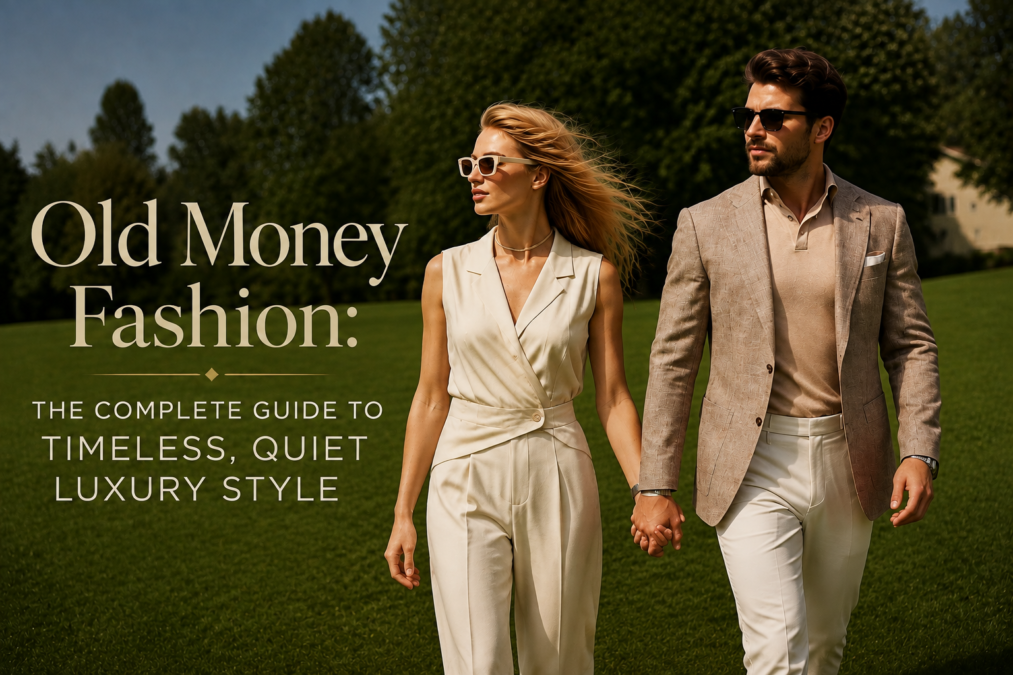
Old money fashion has become one of the most searched style terms in recent years, and for good reason. It represents something refreshingly different from fast fashion’s constant churn: a way of dressing rooted in permanence, quality, and understatement rather than logos and trend-chasing. If you’ve scrolled through style content and wondered what actually separates old money fashion from generic “classic style” advice, you’re not alone — the term gets thrown around loosely, and a lot of the content out there barely scratches the surface.
This guide goes deeper. We’ll walk through where old money fashion actually comes from, the specific garments and fabrics that define it, how to shop for it without overspending, and the subtle style rules that separate an authentic old money aesthetic from a costume version of it. Whether you’re rebuilding your wardrobe around timeless pieces or just trying to understand why certain outfits read as effortlessly wealthy while others look try-hard, this article covers it all with real depth.
What Old Money Fashion Actually Means
At its core, old money fashion describes a style of dressing associated with multigenerational wealth — families whose money and social standing predate the current era, as opposed to newly wealthy individuals who often signal status through visible logos and flashy branding. The distinction matters because it shapes the entire philosophy behind the look. Old money fashion isn’t about announcing wealth; it’s about quietly assuming it, dressing as though you’ve never needed to prove anything to anyone.
This is why old money fashion leans so heavily on understated elegance rather than obvious luxury markers. Think crisp button-down shirts, tailored trousers, cashmere sweaters draped over the shoulders, and loafers worn without socks — pieces that look expensive because of their construction and fit, not because a monogram is plastered across the front. The aesthetic draws heavily from East Coast prep school culture, English countryside dressing, and Ivy League fashion traditions, all of which prioritize longevity over novelty. A useful way to think about it: fast fashion asks “what’s new this season,” while old money fashion asks “what will still look correct in twenty years.”
The Historical Roots of Old Money Fashion
Understanding old money fashion requires looking back at where the aesthetic actually originated. Much of it traces to early-to-mid-20th-century American and British upper-class dressing — think Ivy League campuses in the 1950s, English country estates, and East Coast sailing clubs. These environments cultivated a specific uniform: tweed blazers, oxford cloth shirts, wool trousers, and riding boots, all chosen for function within a particular lifestyle of country weekends, university lectures, and formal dinners rather than for fashion’s sake alone.
What’s interesting is that old money fashion has always been somewhat resistant to trend cycles by design. A tweed blazer purchased in 1965 wasn’t meaningfully different from one purchased in 1985, and that consistency is precisely the point. As one longtime menswear tailor put it during an interview about classic dressing, “The wealthy have never needed fashion to change every season — they needed clothes that worked, and worked forever.” That philosophy is the backbone of old money fashion today, even as it’s been rediscovered and reinterpreted by a much younger, internet-savvy audience who often have no direct connection to inherited wealth at all.
Core Wardrobe Staples That Define the Aesthetic
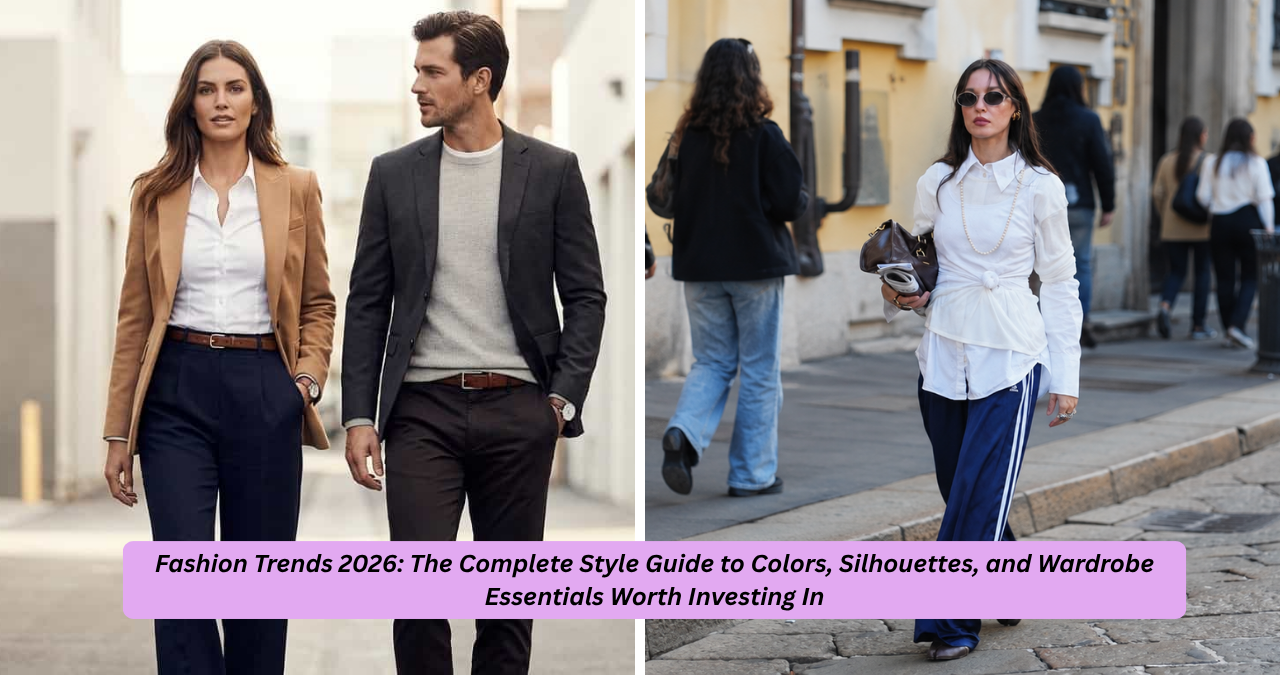
If you’re trying to build an old money fashion wardrobe from scratch, certain pieces show up again and again across every reputable style guide and stylist recommendation. For women, this typically includes tailored blazers, pleated midi skirts, silk blouses, cashmere cardigans, tweed jackets, and simple gold jewelry worn sparingly. For men, the staples shift toward oxford shirts, chinos, navy blazers, quarter-zip sweaters, and well-constructed loafers or derby shoes. Across both, the common denominator is fit — old money fashion depends enormously on garments that are tailored properly, since ill-fitting clothing immediately breaks the illusion of effortless polish.
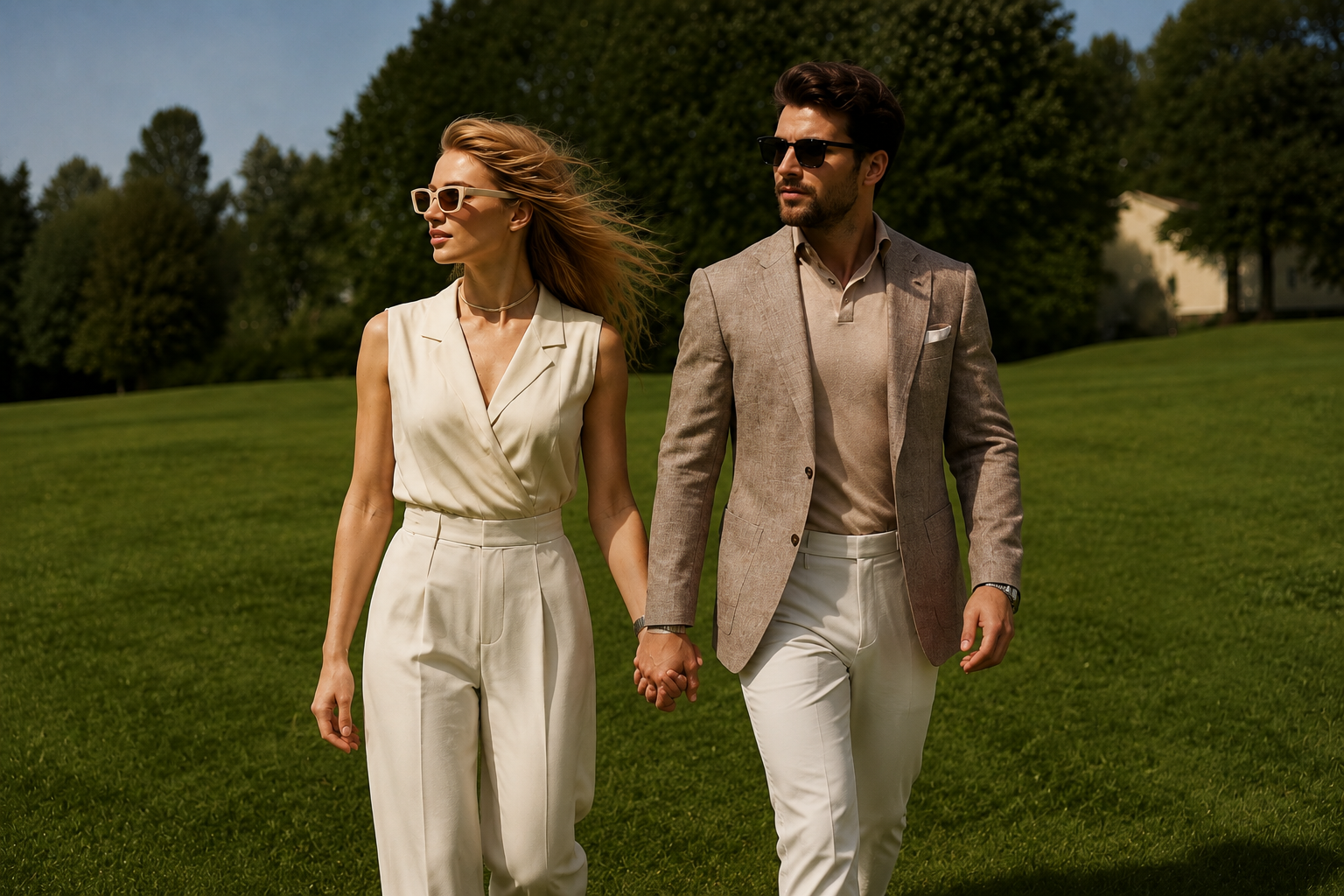
Color palette plays an equally important role in old money fashion. Neutral and muted tones dominate: navy, cream, camel, forest green, burgundy, and various shades of beige and white. Bright, saturated colors and bold prints are largely avoided, not because they’re inherently wrong, but because they draw attention in a way that contradicts the understated ethos of the style. A helpful analogy here is interior design: old money fashion functions a lot like a beautifully designed room filled with neutral tones and high-quality furniture — nothing shouts for attention, but everything works together, and the craftsmanship becomes apparent the longer you look.
Fabric Quality and Construction Over Branding
One of the most misunderstood aspects of old money fashion is how much it depends on fabric quality rather than brand recognition. Natural fibers dominate the aesthetic almost entirely — wool, cotton, cashmere, silk, and linen are staples, while synthetic blends are generally avoided because they don’t drape, breathe, or age the same way. This isn’t superficial preference; natural fibers genuinely hold their shape better over years of wear, which directly supports the old money fashion principle of buying fewer, better pieces that last.
Construction details matter just as much. Hand-finished seams, natural shoulder lines on blazers, horn or mother-of-pearl buttons, and properly interfaced collars are all quiet signals of quality that someone trained in tailoring would recognize instantly, even if a casual observer wouldn’t consciously notice them. This is precisely why old money fashion is so difficult to fake with cheap fast-fashion alternatives — a polyester blazer might mimic the silhouette of a wool one in a photograph,
it won’t move, drape, or age the same way in person. The problem many newcomers to this style run into is buying pieces that look right online but fall apart in construction; the solution is learning to check fabric composition and stitching details before purchasing, rather than relying on styling alone.
Old Money Fashion vs. Quiet Luxury: Are They the Same?
These two terms get used almost interchangeably online, but there are meaningful distinctions worth understanding. Quiet luxury is a broader, more contemporary marketing term that emerged largely from fashion editorial and social media, describing minimalist, logo-free luxury dressing across any price point or brand. Old money fashion, by contrast, carries more specific cultural and historical connotations tied to inherited wealth, prep school traditions, and a particular East Coast American or British aesthetic lineage.
In practice, the two overlap heavily in execution — both favor understated pieces, neutral colors, and quality over branding — but old money fashion tends to be more codified, with specific reference points like equestrian style, sailing culture, and Ivy League dress codes. Quiet luxury is more flexible and can incorporate minimalist streetwear or contemporary silhouettes that wouldn’t necessarily fit the old money fashion mold. Understanding this distinction is useful for anyone shopping or searching for inspiration, since old money fashion searches will generally return more traditional, heritage-inspired results than the broader, more modern quiet luxury category.
Where to Shop for Authentic Old Money Fashion
A common frustration people run into when trying to adopt old money fashion is assuming it requires an enormous budget, exclusively shopping at brands like Ralph Lauren, Brooks Brothers, or Hermès. While these brands are certainly aligned with the aesthetic and often referenced as entity touchpoints within the style, old money fashion is genuinely achievable at more accessible price points if you know what to prioritize. Secondhand and vintage shopping is particularly effective here, since well-made wool blazers, silk scarves, and leather loafers from decades past often show up in thrift stores and consignment shops for a fraction of their original price, and their quality construction has typically already proven itself by surviving decades of wear.
The solution to budget concerns within old money fashion is prioritization rather than blanket spending: invest more heavily in foundational pieces you’ll wear constantly, like a well-fitted blazer or quality leather shoes, while shopping more casually for basics like t-shirts or simple trousers. Retailers such as J.Crew, Uniqlo, and even certain Zara collections occasionally produce pieces that align well with the aesthetic if you’re selective about fabric and fit. This approach lets almost anyone build a credible old money fashion wardrobe without needing a five-figure clothing budget, which is precisely why the trend has resonated so widely with younger audiences who admire the look but don’t come from generational wealth themselves.
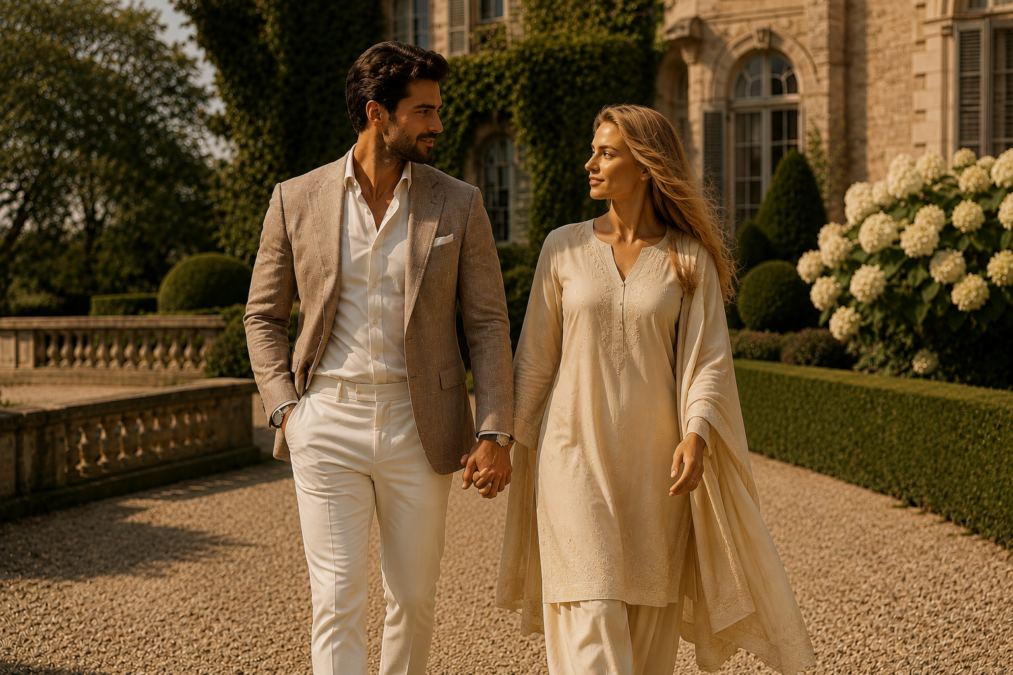
Table: Old Money Fashion Staples by Category
| Category | Key Pieces | Fabric Priority |
|---|---|---|
| Outerwear | Wool blazers, trench coats, quilted jackets | Wool, cotton twill |
| Tops | Oxford shirts, silk blouses, cashmere sweaters | Cotton, silk, cashmere |
| Bottoms | Pleated trousers, chinos, midi skirts | Wool, cotton |
| Footwear | Penny loafers, derby shoes, riding boots | Leather |
| Accessories | Leather belts, simple gold jewelry, silk scarves | Leather, gold, silk |
| Colors | Navy, cream, camel, forest green, burgundy | N/A |
Common Mistakes People Make With Old Money Fashion
The biggest mistake newcomers make when attempting old money fashion is over-accessorizing or leaning too heavily into obvious luxury branding, which actually undermines the entire aesthetic. Wearing a designer belt with a giant logo buckle alongside an otherwise understated outfit creates a jarring contradiction, since the whole point of old money fashion is that nothing shouts for attention. The solution here is restraint — choosing one or two quiet, high-quality accessories rather than layering multiple statement pieces together.
Another frequent issue is neglecting fit in favor of simply buying the “right” pieces. A cashmere sweater that’s baggy in the wrong places or trousers that pool at the ankle will never read as old money fashion, regardless of
expensive the fabric is, because fit and tailoring are just as central to the look as fabric choice itself. Many people underestimate how much a simple trip to a tailor can transform an outfit; taking in the waist of trousers or adjusting the sleeve length on a blazer often makes a bigger visual difference than buying an entirely new, more expensive item. This is a case where problem-solving within old money fashion is less about shopping and more about maintenance and adjustment of what you already own.
Frequently Asked Questions
What is old money fashion?
Old money fashion refers to a style of dressing associated with multigenerational wealth, characterized by understated, high-quality clothing in neutral tones rather than flashy logos or trend-driven pieces. It draws heavily from Ivy League, prep school, and English countryside dressing traditions, prioritizing timeless construction over seasonal fashion trends.
How is old money fashion different from regular preppy style?
While old money fashion and preppy style share common roots and overlap significantly, old money fashion tends to be slightly more refined and formal, drawing more directly from historical upper-class dressing conventions, while preppy style is often a more casual, youthful, and commercially accessible interpretation of similar ideas.
Can you achieve old money fashion on a budget?
Yes, old money fashion is achievable on a modest budget by prioritizing fabric quality and proper fit over brand names, shopping secondhand for staple pieces like blazers and leather shoes, and investing more heavily in foundational items that get worn frequently rather than trying to buy an entire designer wardrobe at once.
What colors are typical in old money fashion?
Old money fashion relies heavily on neutral and muted colors including navy, cream, camel, beige, forest green, and burgundy, deliberately avoiding bright, saturated hues or loud patterns that would draw unnecessary attention and contradict the style’s understated philosophy.
Why has old money fashion become so popular recently?
Old money fashion has surged in popularity partly as a reaction against fast fashion’s disposability and logo-driven maximalism, offering an alternative rooted in quality, longevity, and quiet confidence, and it has also been heavily amplified through social media platforms where the aesthetic photographs beautifully and resonates with audiences seeking a more timeless personal style.
Final Thoughts on Building an Old Money Fashion Wardrobe
Old money fashion ultimately isn’t about having actual generational wealth — it’s about adopting a philosophy of dressing that prioritizes quality, fit, and restraint over trend-chasing and logo-driven status symbols. From tailored blazers and cashmere knits to the deliberately muted color palette that ties the entire aesthetic together, every element of old money fashion serves the same underlying goal: looking effortlessly put-together without ever appearing to try too hard.
The real takeaway here is that old money fashion rewards patience and intentional investment far more than impulsive shopping. Building this kind of wardrobe takes time, a good tailor, and a willingness to prioritize fewer, better pieces over a closet full of trend-driven purchases that won’t hold up in five years. Approach it that way, and old money fashion stops being a fleeting internet trend and becomes exactly what it was always meant to be — a genuinely timeless way of dressing.