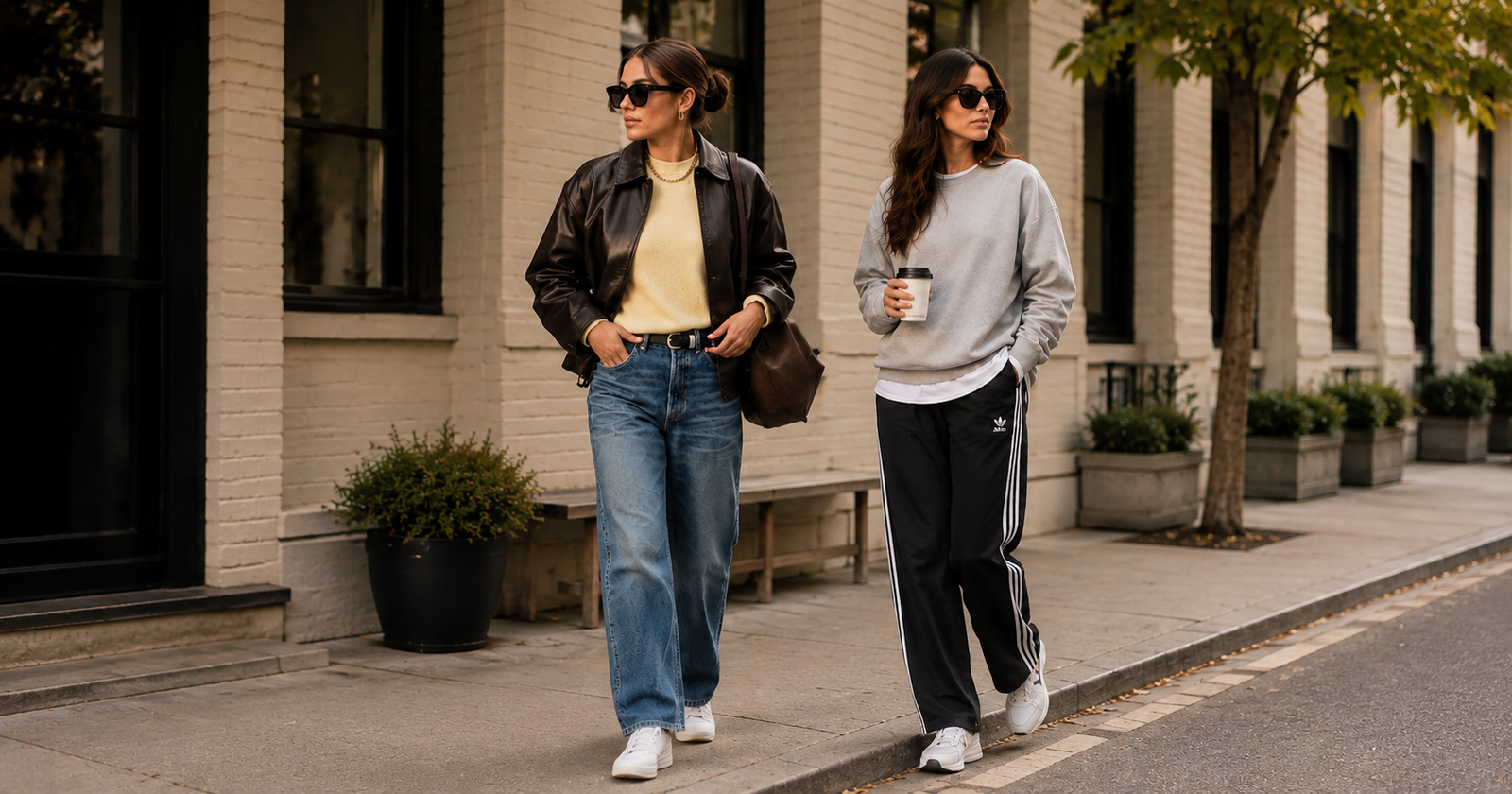
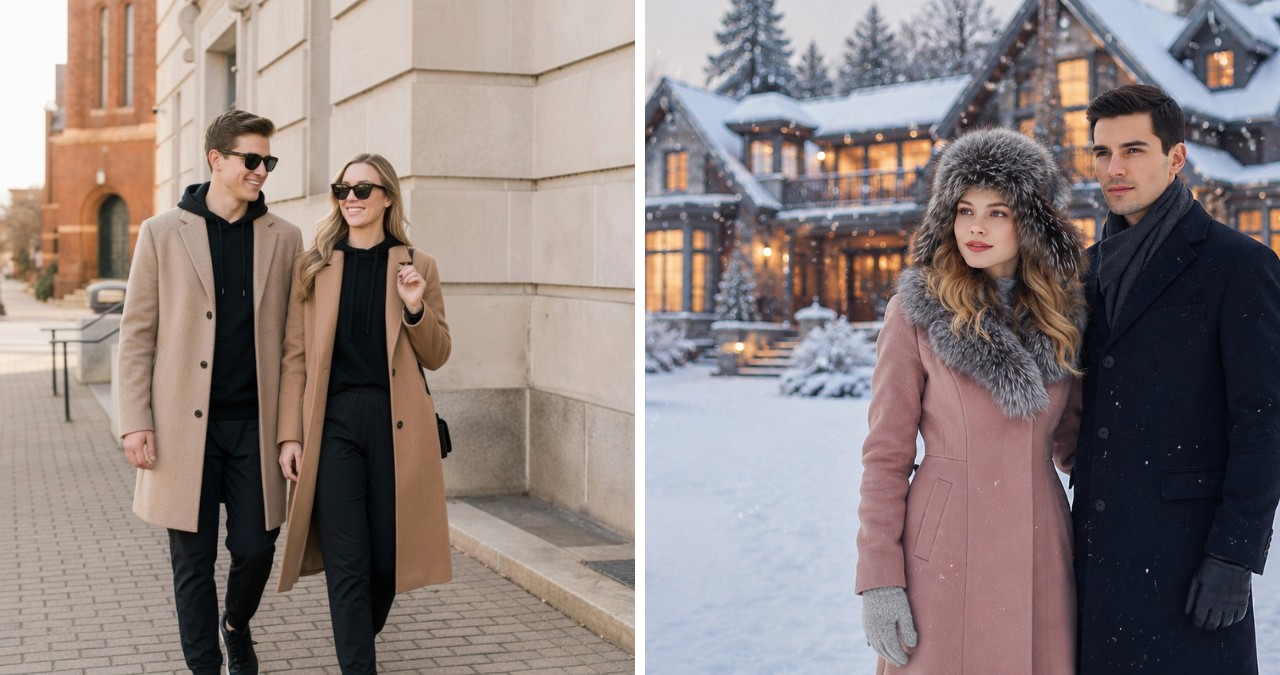
Winter fashion is one of those topics that seems simple on the surface but quickly turns complicated the moment temperatures drop and you’re standing in front of your closet, staring blankly at a pile of sweaters. Getting dressed for cold weather isn’t just about grabbing the thickest coat you own. It’s about understanding fabrics, layering strategies, silhouette balance, and how to translate personal style into something that actually functions in freezing wind, snow, or sleet. This guide pulls together practical, tested advice that stylists, wardrobe consultants, and everyday cold-climate dressers rely on year after year.
Whether you live somewhere with brutal winters or just need a few solid pieces to survive a chilly commute, this article breaks down everything you need to know about winter fashion — from base layers to outerwear, accessories, color theory, and common mistakes people make when the mercury drops.
What Is Winter Fashion, Really?
At its core, winter fashion refers to the clothing choices, styling techniques, and wardrobe strategies people use to stay warm, comfortable, and visually put-together during colder months. It’s not a single trend or aesthetic — it spans everything from cozy minimalism to bold, statement-making outerwear. The defining feature of winter fashion is functionality married with intention. A great winter outfit protects you from wind chill and moisture while still expressing personality through texture, color, and proportion.
Many people mistakenly treat winter fashion as an afterthought, something to “get through” rather than enjoy. But stylists who work with clients in genuinely cold climates — think Chicago, Toronto, or Northern Europe — will tell you that winter actually offers more creative range than summer. You get to play with layering, mix textures like wool and leather, and experiment with silhouettes that simply don’t work in warmer months. Understanding this mindset shift is the first step toward building a winter wardrobe you actually look forward to wearing.
The Foundation: Base Layers That Actually Work
Every solid winter fashion strategy starts with base layers, and this is where most people go wrong. A base layer’s job isn’t to look good — it’s to regulate body temperature and wick moisture away from skin. Cotton, despite being a wardrobe staple in warmer seasons, is actually a poor choice for base layers in freezing conditions because it retains moisture and can leave you feeling colder once you start sweating from activity or overheating indoors.
Merino wool has become something of a gold standard among people who dress for genuinely cold environments, and for good reason. It’s naturally moisture-wicking, temperature-regulating, and doesn’t hold odor the way synthetic fabrics can after repeated wear. Silk base layers are another underrated option, especially for those who find wool itchy against the skin — they’re thin enough to layer under fitted clothing without adding bulk. A common mistake is skipping base layers entirely and relying solely on a heavy coat, which often backfires because a single thick layer traps less insulating air than two or three thinner ones working together.
Mastering the Art of Layering
Layering is arguably the single most important skill in winter fashion, and it’s also the most misunderstood. The goal isn’t simply piling on more clothes — it’s building a system where each layer serves a distinct purpose. The base layer manages moisture, the mid layer provides insulation, and the outer layer shields against wind, rain, or snow.
A practical example: imagine heading out for a day that starts at 28°F but warms up by afternoon. A thin merino base layer, a lightweight cashmere or fleece mid layer, and a wool-blend coat give you the flexibility to remove the mid layer once temperatures rise, without ever feeling like you’re wearing “too much” or “too little.” This modular approach is why experienced cold-weather dressers rarely wear a single bulky sweater under a coat — it limits adaptability and often looks visually flat. Instead, they favor combinations like a turtleneck under a blazer under a wool coat, which creates depth, texture contrast, and temperature control all at once.
Outerwear: The Centerpiece of Any Winter Wardrobe
Your coat is the single most visible and functional piece in your entire winter fashion rotation, so it deserves the most consideration. Wool coats remain a timeless choice because wool naturally repels light moisture and holds heat exceptionally well relative to its weight. Puffer jackets, once considered purely athletic or utilitarian, have become legitimate style statements thanks to brands elevating the silhouette with tailored cuts and premium materials.
The key mistake people make with outerwear is prioritizing looks over insulation rating, or vice versa. A stunning wool coat that isn’t lined properly will leave you freezing during an actual snowstorm, while a technical parka built for extreme cold might feel completely out of place at a winter dinner party. The smartest approach is having at least two outerwear pieces in rotation: one polished option for professional or social settings, and one genuinely weatherproof piece for harsh conditions. Fashion editors often recommend investing the majority of your seasonal clothing budget into outerwear specifically, since it’s worn the most frequently and seen by the most people.
Color Theory and Texture in Cold-Weather Dressing
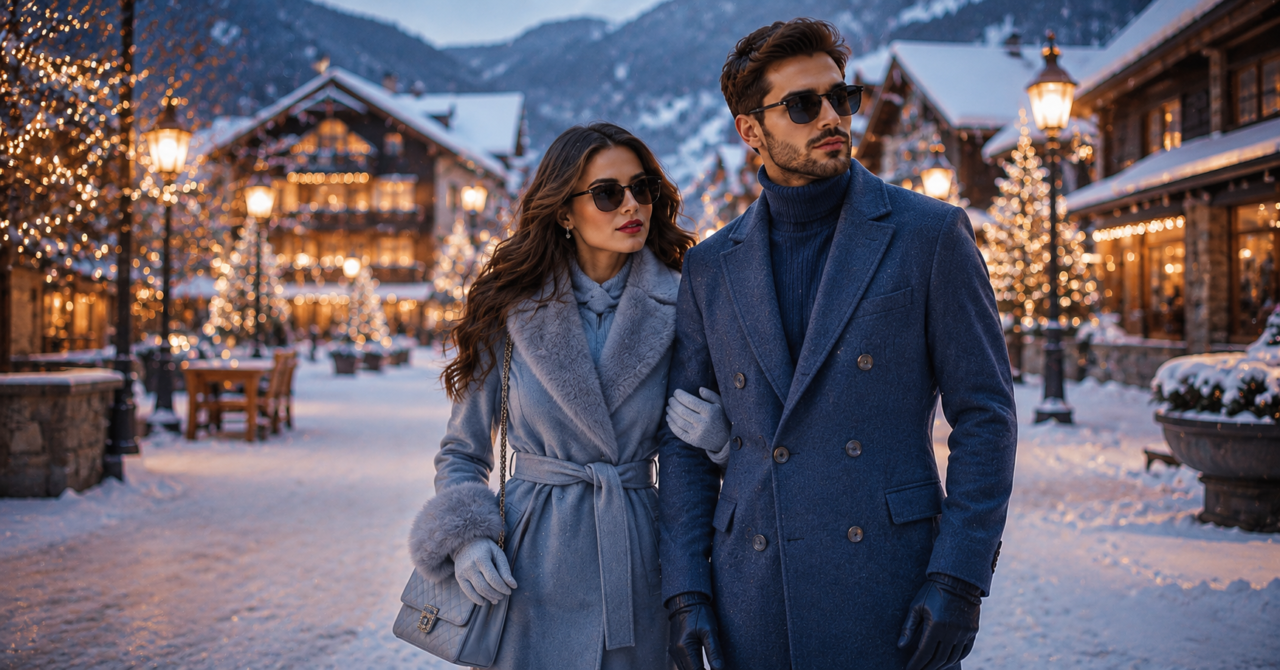
Winter fashion has its own unofficial color language. Deep jewel tones like emerald, burgundy, and navy dominate because they photograph beautifully against gray, overcast skies and complement the neutral backdrop of snow. Classic neutrals — camel, charcoal, cream, and black — remain enduringly popular because they layer effortlessly and rarely clash, making outfit planning significantly easier on busy mornings.
Texture plays an equally important role, arguably more so in winter than any other season. Combining materials like corduroy, wool, suede, and knit within a single outfit creates visual richness that flat, single-fabric outfits lack. A stylist once put it well: “In summer you dress with color, but in winter you dress with texture.” That distinction matters because winter fashion often leans toward muted palettes, so contrast and interest have to come from somewhere else — and fabric mixing is the most reliable tool for achieving that.
Accessories That Make or Break a Winter Look
Accessories in winter fashion aren’t optional extras — they’re functional necessities that double as style statements. Scarves, gloves, and hats are often the first line of defense against heat loss, since a significant amount of body heat escapes through the head and neck. A chunky knit scarf can transform a simple coat-and-jeans combination into something that looks intentional and elevated.
Footwear deserves special attention too, since ill-suited shoes are one of the most common winter fashion mistakes. Leather boots without proper waterproofing crack and stain in slush, while fashion sneakers offer almost no insulation or grip on icy pavement. Investing in a quality pair of weatherproof boots — whether Chelsea-style, combat, or shearling-lined — pays off both practically and stylistically across multiple seasons.
Common Winter Fashion Mistakes and How to Fix Them
Below is a quick reference table outlining frequent problem areas in winter dressing along with practical fixes.
| Common Mistake | Why It Happens | Practical Solution |
|---|---|---|
| Wearing cotton base layers | Assumed comfort from everyday familiarity | Switch to merino wool or silk thermal layers |
| Choosing style over insulation in coats | Focus on aesthetics over function | Own two coats: one polished, one weatherproof |
| Skipping accessories | Underestimating heat loss through extremities | Prioritize scarves, gloves, and insulated hats |
| Overloading with bulky layers | Misunderstanding how layering works | Use thin, technical layers instead of one thick piece |
| Ignoring footwear traction and waterproofing | Prioritizing fashion sneakers or thin leather shoes | Invest in weatherproof, insulated boots |
Each of these issues stems from treating winter fashion as an afterthought rather than a deliberate system. Once you understand the “why” behind each fix, building outfits becomes noticeably faster and more intuitive.
Sustainable and Long-Term Winter Wardrobe Strategy
A smart approach to winter fashion also considers longevity and sustainability. Fast-fashion winter pieces often lose shape, warmth, and structural integrity after just one season, which ends up costing more over time than investing in higher-quality staples. Wool, cashmere, and well-constructed outerwear can last a decade or longer with proper care, including cedar storage to deter moths and gentle, infrequent washing to preserve fiber integrity.
Building a capsule winter wardrobe — a curated set of interchangeable pieces — also reduces decision fatigue and clothing waste. A well-planned capsule might include one wool coat, two base layers, a versatile knit, tailored trousers, dark denim, and a pair of quality boots. From these building blocks, dozens of outfit combinations become possible, proving that thoughtful winter fashion doesn’t require an overflowing closet, just intentional choices.

Frequently Asked Questions
What fabrics are best for winter fashion?
Wool, cashmere, merino, and fleece are generally considered the best fabrics for winter fashion because they trap warm air effectively while still allowing moisture to escape. Cotton, by contrast, tends to hold onto sweat and moisture, which can leave you feeling colder rather than warmer once you’re active or moving between indoor and outdoor spaces.
How many layers should you wear in winter?
Most experts recommend a three-layer system: a moisture-wicking base layer, an insulating mid layer, and a protective outer layer. The exact number of pieces within each category can vary depending on the temperature, but sticking to this three-part structure keeps winter fashion functional without becoming bulky or uncomfortable.
Is it possible to look stylish and stay warm at the same time?
Absolutely, and this is actually the central goal of good winter fashion. The key lies in choosing quality materials, mastering proportion so that bulky layers don’t overwhelm your silhouette, and using texture and color strategically rather than relying purely on heavy fabric to create warmth.
What colors work best for winter outfits?
Deep jewel tones such as emerald and burgundy pair beautifully with classic winter neutrals like camel, charcoal, and cream. These combinations tend to photograph well against gray skies and snowy backdrops, which is part of why they remain so popular in winter fashion year after year.
How do you choose the right winter coat?
Start by identifying your actual climate needs rather than just aesthetic preference. A wool coat suits milder winters and professional settings, while a technical parka or down-filled jacket is better suited for extreme cold or heavy snowfall. Ideally, your winter fashion wardrobe includes at least one of each so you’re prepared regardless of the occasion or weather severity.
Final Thoughts on Winter Fashion
Winter fashion doesn’t have to mean sacrificing style for warmth, or vice versa. Once you understand the mechanics behind base layers, insulation, and fabric behavior, building outfits becomes far more intuitive than it initially seems. The people who dress best in cold weather aren’t necessarily the ones with the biggest wardrobes — they’re the ones who understand how each piece works together as a system.
The real takeaway here is that winter fashion rewards intention. Small decisions, like choosing merino over cotton or investing in a properly insulated boot, compound into a wardrobe that performs as well as it looks. Approach this season with that mindset, and winter fashion stops feeling like a challenge to survive and starts becoming one of the most expressive parts of your personal style calendar.