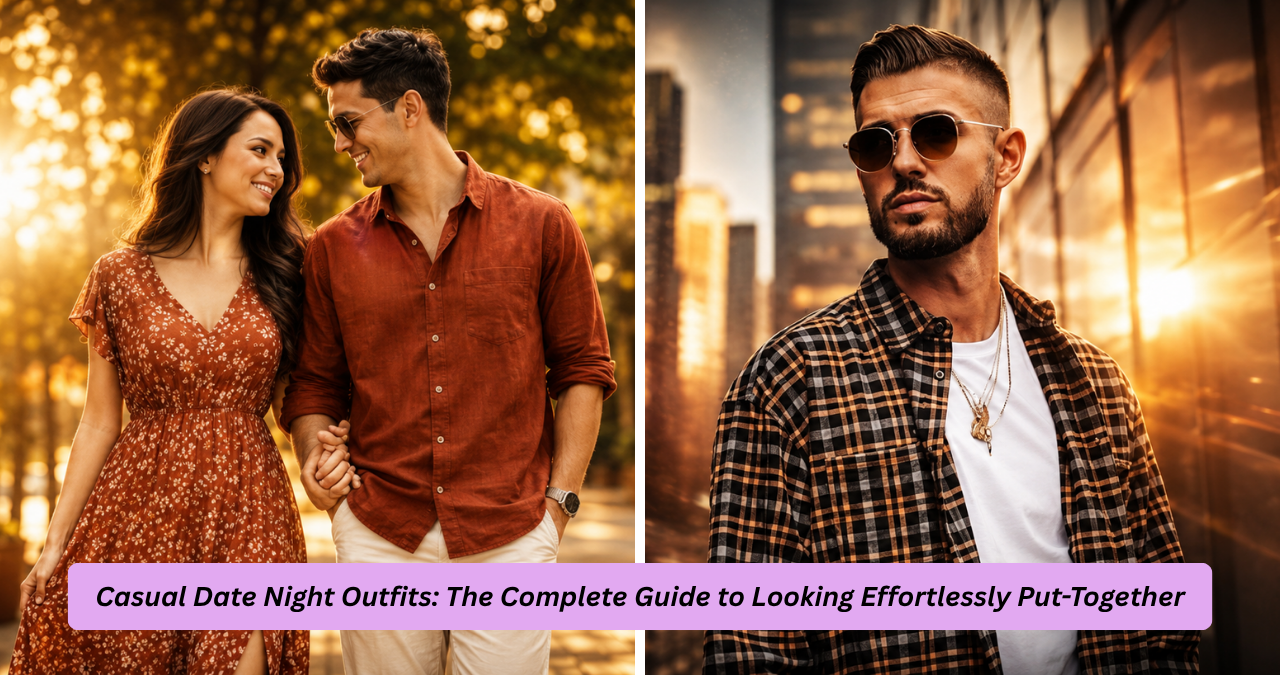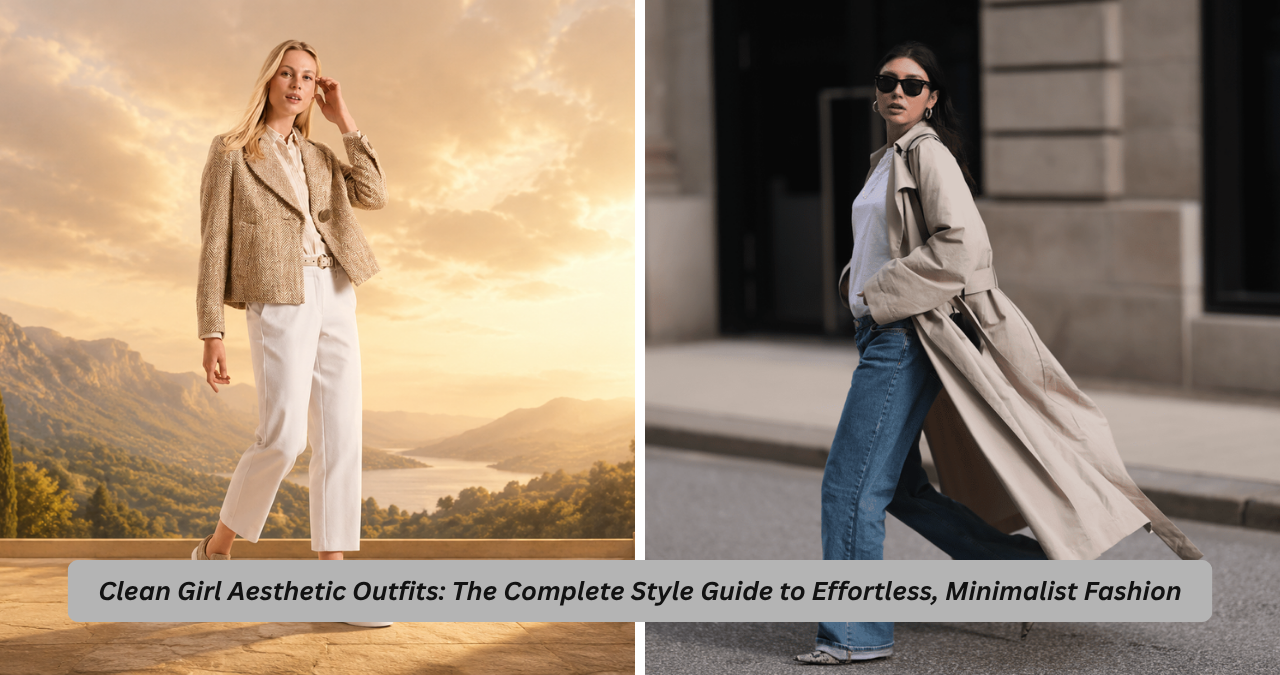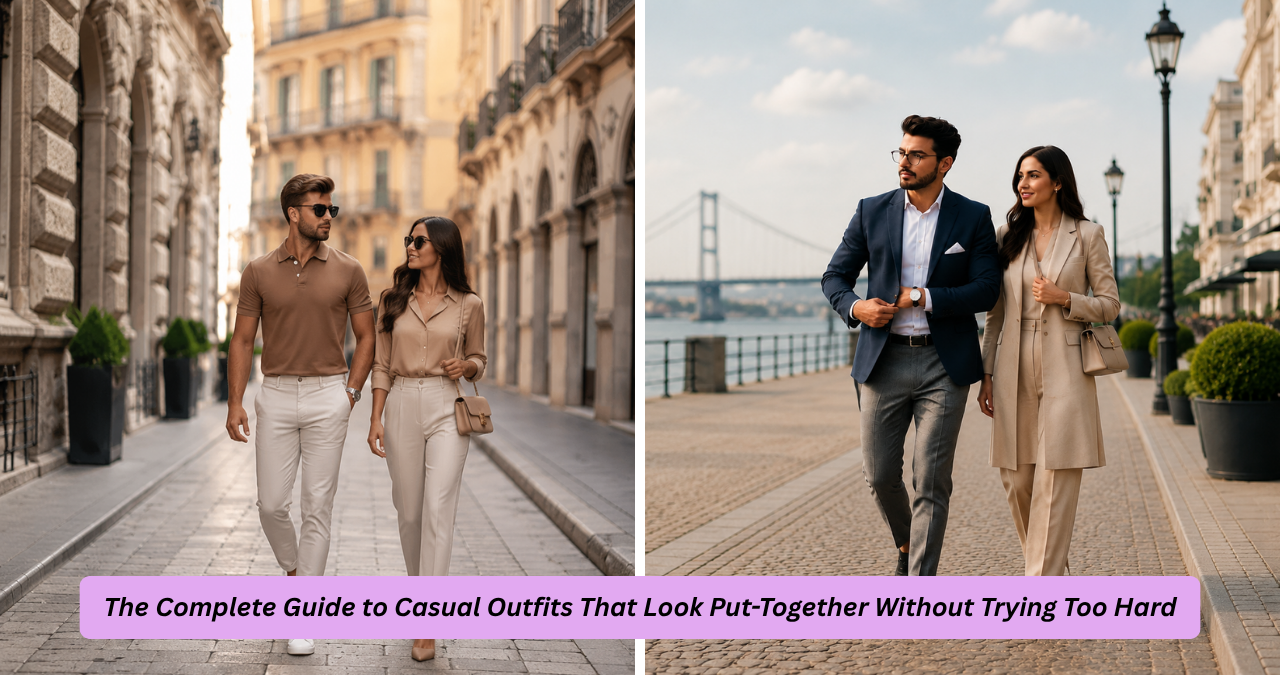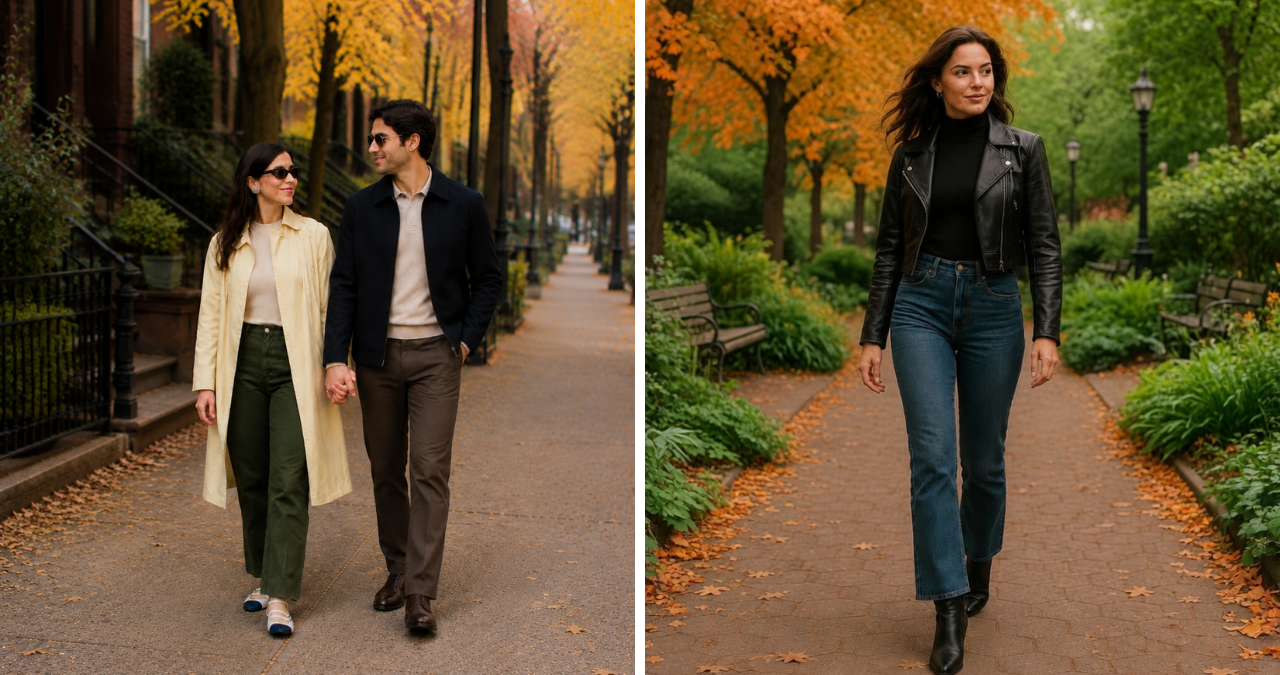
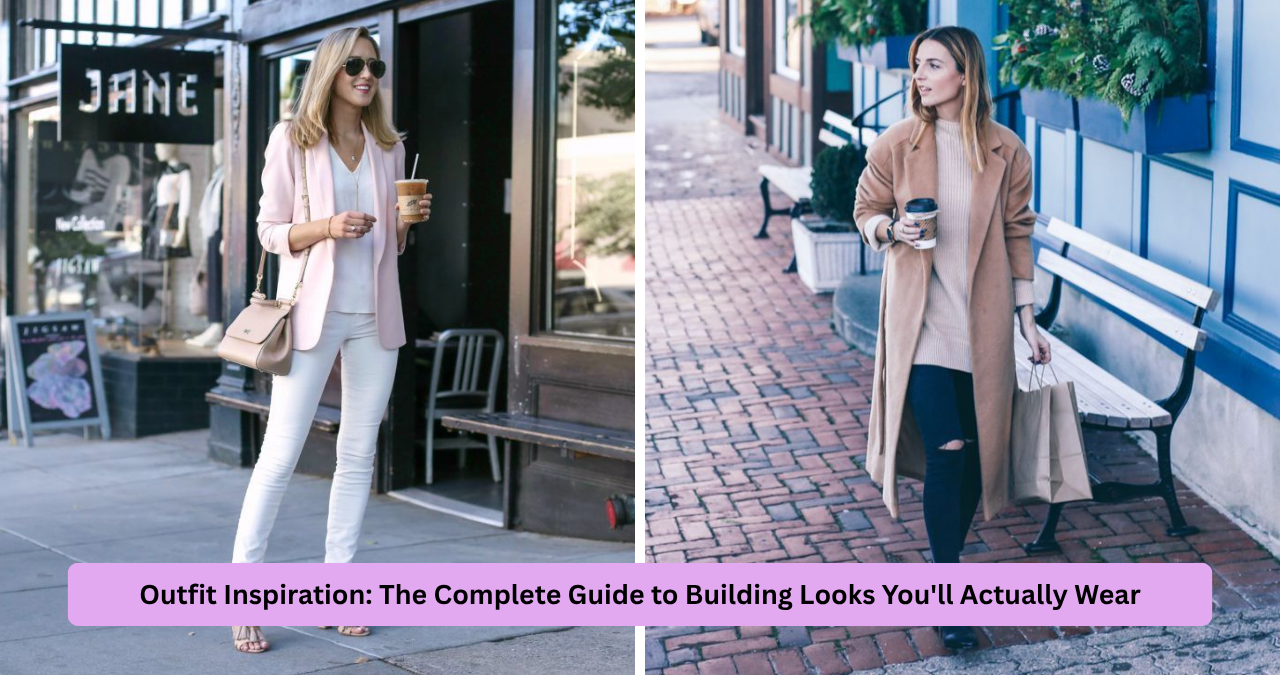
Standing in front of a full closet and feeling like you have “nothing to wear” is one of the most universal style frustrations out there. That gap between owning clothes and knowing how to combine them is exactly where outfit inspiration earns its keep. It’s not about copying a stranger’s photo pixel-for-pixel — it’s about training your eye to recognize patterns, proportions, and color relationships so you can build looks that fit your actual life, not just a Pinterest board.
This guide pulls from real styling practice, not just trend-chasing. Whether you’re dressing for a 9-to-5, a first date, a weekend market run, or a wedding you’re mildly dreading, you’ll walk away with a repeatable process for finding and using outfit inspiration instead of just collecting it.
What Outfit Inspiration Actually Means
At its core, outfit inspiration is any visual or conceptual reference — a photo, a color palette, a silhouette, even a mood — that sparks an idea for how to dress. It can come from a runway show, a friend’s Instagram story, a character in a film, or the way light hits a storefront window. The mistake most people make is treating inspiration as a finished product to imitate exactly, rather than raw material to adapt.
Think of it like cooking from a recipe you found online. A good cook doesn’t follow it to the letter if they’re missing an ingredient or don’t like cilantro — they understand the underlying technique and adjust. The same logic applies to style. If an inspiration photo features a cropped blazer, wide-leg trousers, and loafers, the “technique” being demonstrated is proportion play: fitted on top, voluminous on bottom, structured shoes to anchor it. You can swap in a cardigan, straight-leg jeans, and boots and still nail the same silhouette logic. That’s the difference between someone who dresses well consistently and someone who only looks good when they’re literally recreating a screenshot.
Where to Find Reliable Outfit Inspiration
Not all sources of outfit inspiration are created equal, and knowing where to look is half the battle. Fashion editorial platforms, personal style blogs, and curated Pinterest boards tend to offer more thoughtful, cohesive looks than fast-scrolling social feeds, which often prioritize novelty over wearability. Street style photography from cities like Copenhagen, Milan, and Seoul is particularly useful because it captures real people navigating real weather and real commutes, rather than staged studio shots.
It also helps to diversify your sources beyond fashion-specific content. Interior design accounts can teach you about color harmony in ways that translate directly to wardrobe building — a muted sage-and-terracotta palette on a living room mood board works just as well as a jacket-and-trouser combination. Art history is another underrated well of outfit inspiration; a lot of contemporary minimalist dressing borrows directly from mid-century modernist color theory. The key is to stop thinking of “inspiration sources” as a narrow category and start treating anything visually cohesive as a potential reference point.
How to Adapt Outfit Inspiration to Your Body and Lifestyle
This is where most people get stuck, and it’s worth being honest about why: an outfit that looks effortless on a 5’10” model photographed under studio lighting is not automatically going to translate the same way on someone who’s 5’3″, works on their feet all day, or lives somewhere humid nine months a year. Outfit inspiration should be treated as a starting template, not a fixed formula.
A practical approach is to break the inspiration image down into three components — silhouette, color story, and styling details — and then decide which of those three you’re actually going to borrow. Maybe you love the color story (olive, cream, and burnt orange) but the silhouette (an oversized trench with wide trousers) doesn’t suit your frame or y
our job. In that case, keep the palette and apply it to a fitted blazer and straight trousers instead. As one veteran personal stylist put it during a client consultation I sat in on years ago, “You’re not copying the outfit, you’re copying the decision-making behind it.” That single reframe tends to unlock a lot of people who’ve felt stuck imitating looks that never quite work on them.
Lifestyle constraints matter just as much as body shape. If your inspiration board is full of delicate silk dresses but you commute by bike, you need to identify the underlying aesthetic — soft, fluid, romantic — and find fabrics and cuts that survive your actual day. This is where quality outfit inspiration separates itself from aspirational fantasy: the best sources acknowledge real-world friction instead of ignoring it.
Building a Personal Style Reference System
Random screenshots scattered across your camera roll aren’t a system, they’re clutter. To actually use outfit inspiration effectively, you need a lightweight method for organizing and revisiting it. Many professional stylists recommend sorting saved looks into categories based on occasion or mood rather than by garment type, since most people dress by context (“work,” “date night,” “travel”) rather than by individual piece.
A simple three-tier system works well for most wardrobes: a folder for signature looks you return to again and again, a folder for experimental ideas you want to try once, and a folder for seasonal references tied to weather and fabric weight. Reviewing these folders monthly, rather than letting them balloon indefinitely, keeps the collection useful instead of overwhelming. Below is a simple framework you can adapt to your own tagging system.
| Category | Purpose | Example Tags |
|---|---|---|
| Signature Looks | Reliable outfits for repeat wear | work, capsule, neutral |
| Experimental | New silhouettes or colors to test | bold color, trend, statement |
| Seasonal | Weather-appropriate references | layering, summer, transitional |
| Occasion-Based | Specific events or contexts | wedding guest, interview, travel |
This kind of structured approach transforms outfit inspiration from a passive scrolling habit into an active styling tool — one you can search through in under a minute when you’re getting dressed at 7 a.m.
Color Theory and Outfit Inspiration
Color is often the first thing that draws the eye to an outfit, and understanding basic color relationships dramatically improves how you interpret and apply inspiration. Complementary colors — those opposite each other on the color wheel, like navy and rust, or lavender and mustard — create visual energy and are frequently the secret behind outfits that feel “put together” without appearing overly matched. Analogous colors, which sit next to each other on the wheel, like teal, blue, and green, create a calmer, more cohesive look that reads as sophisticated rather than loud.
When you pull outfit inspiration from a source, try identifying which color strategy is at play before you attempt to recreate it. A monochromatic outfit in varying shades of camel isn’t accidental — it’s a deliberate technique that elongates the body and photographs beautifully because there are no jarring color breaks. Once you can name the strategy, you can apply it endlessly across your own wardrobe, using whatever pieces you already own, rather than needing to buy the exact items pictured.
Seasonal and Occasion-Based Outfit Inspiration
Context changes everything about how outfit inspiration should be applied. A look pulled from a September fashion week street style gallery, heavy on trench coats and ankle boots, isn’t directly useful to someone dressing for a humid July wedding, even if the color palette is gorgeous. Learning to filter inspiration by season and occasion prevents the common trap of admiring a look that simply doesn’t apply to your immediate need.
For warm-weather dressing, look for inspiration that emphasizes breathable fabrics like linen, cotton poplin, and lightweight viscose, along with silhouettes that allow airflow — think relaxed trousers or midi skirts rather than anything clingy or heavily layered. For colder months, inspiration should focus on layering logic: how a knit sits under a coat, how proportions shift when you add a scarf, and how footwear needs to balance warmth with the rest of the silhouette. Occasion-based inspiration works similarly — a job interview calls for structured, confidence-projecting pieces, while a casual brunch invites more relaxed, textural choices. Matching your source material to your actual context, rather than just your aesthetic taste, is what separates a Pinterest fantasy from a genuinely wearable outfit.
Common Mistakes When Using Outfit Inspiration
One of the most frequent missteps is chasing an outfit purely because it’s trending, without asking whether it aligns with your existing wardrobe or personal taste. This leads to closets full of one-off pieces that don’t talk to each other — a single statement item bought to recreate a viral look, then abandoned because it doesn’t pair with anything else you own. Sustainable style relies on inspiration that builds toward a cohesive wardrobe, not a collection of disconnected trend purchases.
Another common error is ignoring fit in favor of aesthetic. An oversized blazer might look incredible in an inspiration photo because it’s been tailored to drape a specific way, but buying the same silhouette off the rack without adjustment can result in something that just looks like an ill-fitting hand-me-down. Fit is the single most underrated factor in whether an outfit reads as intentional or accidental, and it’s often the missing piece when someone says an outfit “didn’t turn out like the photo.”
Frequently Asked Questions
What is the fastest way to find outfit inspiration for a specific event?
The fastest approach is to search by the specific context rather than a general style term — for example, searching “outfit inspiration for a fall wedding as a guest” instead of just “fall outfit inspiration” — because context-specific searches surface images that account for dress codes, weather, and formality level all at once, saving you the extra step of filtering irrelevant results yourself.
How many outfit inspiration photos should I save before I start shopping?
There’s no strict number, but most stylists suggest saving around ten to fifteen images before shopping so you can spot recurring patterns in color, silhouette, or fabric across them; buying based on a single image often leads to impulse purchases that don’t integrate well with the rest of your wardrobe, while a small curated set reveals your actual preferences more reliably.
Can outfit inspiration help with a limited budget?
Yes, and in some ways a limited budget makes outfit inspiration even more valuable, because it forces you to identify the transferable elements of a look — color, proportion, styling trick — rather than the specific (and often expensive) items pictured, which means you can often recreate the feeling of a designer look using pieces you already own or affordable alternatives.
Is it okay to copy an outfit exactly from inspiration photos?
It’s perfectly fine occasionally, especially when you’re just starting to develop your style vocabulary, but relying on exact recreation long-term tends to produce outfits that feel like costumes rather than personal style, since they weren’t adapted to your body, climate, or daily activities the way the original was likely tailored to its wearer’s context.
How often should I refresh my outfit inspiration sources?
Refreshing your sources every season works well for most people, since clothing needs shift with weather and typical seasonal events, though it’s worth revisiting your saved signature looks year-round since well-chosen outfit inspiration for classic, versatile pieces tends to stay relevant regardless of trend cycles.
Why do some outfits look great in inspiration photos but not in real life?
This usually comes down to context differences — lighting, camera angle, and even the model’s height and proportions all affect how an outfit reads in a photo — so the goal isn’t to replicate the image exactly but to extract the underlying styling logic (fit, color balance, proportion) and apply it to your own body and setting.
Final Thoughts on Building Your Style Around Outfit Inspiration
Outfit inspiration works best when it’s treated as a tool for developing judgment, not a shortcut for avoiding it. The people who dress well consistently aren’t the ones with the biggest mood boards — they’re the ones who’ve learned to decode why a look works and translate that logic into their own closet, climate, and daily routine. Over time, that skill matters far more than any single saved photo.
If you take one thing away from this guide, let it be this: stop asking “how do I copy this outfit” and start asking “what is this outfit actually doing.” Once you can answer that question, outfit inspiration stops being something you passively scroll through and becomes something you actively use — a genuinely useful resource for building a wardrobe that looks like you, not just like whoever happened to be photographed first.