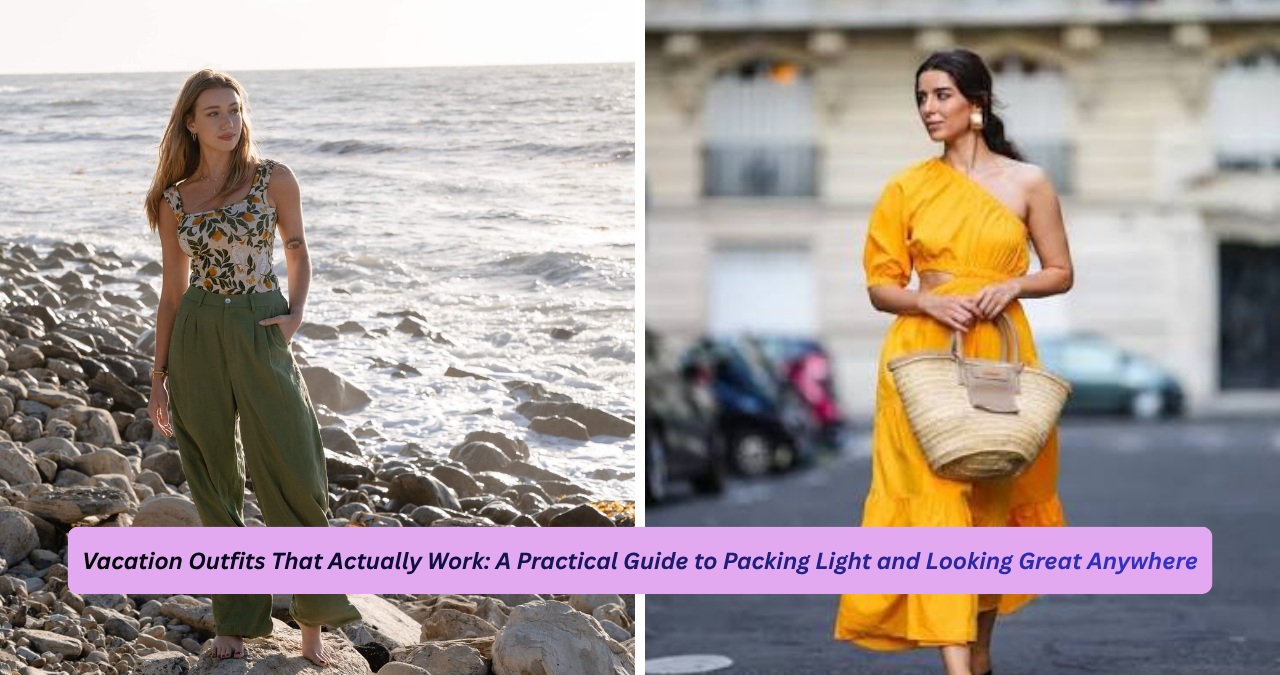
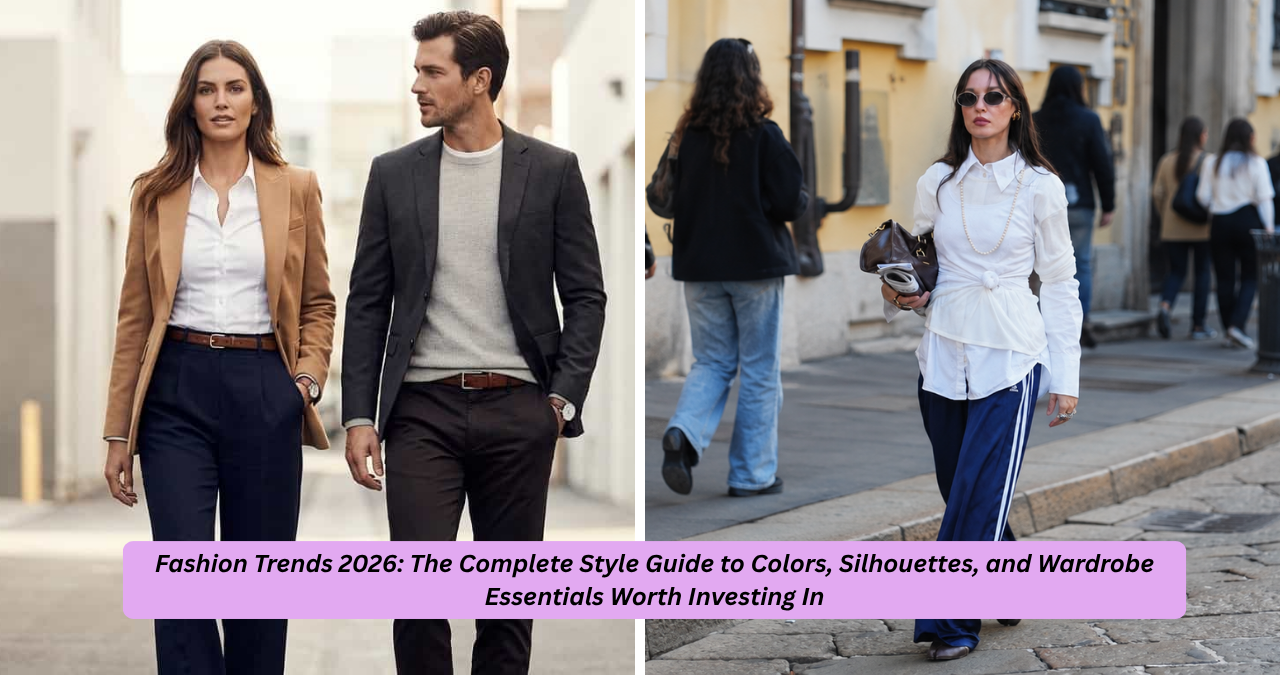
Every January, wardrobes across the world quietly reset. Closets get sorted, holiday leftovers get pushed to the back, and shoppers start hunting for the pieces that will actually define the year ahead rather than fade out by March. That search usually starts with the same phrase: fashion trends 2026. But sorting genuine shifts in how people dress from fleeting runway spectacle takes more than scrolling a few Instagram reels.
This guide breaks down the fashion trends 2026 that are backed by real runway data, trend-forecasting institutes, and retail movement, not just hype. We’ll walk through the color story shaping the year, the silhouettes replacing last year’s staples, and the practical strategy for updating a wardrobe without overspending on pieces that won’t survive past a single season. Whether you’re a casual shopper or someone who treats getting dressed as a small daily art form, this breakdown will give you a grounded, expert-level view of where fashion is actually heading.
The Color Story Driving Fashion Trends 2026
Color forecasting has become one of the most reliable early indicators of where fashion trends 2026 are heading, and this year’s palette tells a clear story about collective mood. Pantone named Cloud Dancer, a soft, airy off-white, as its Color of the Year for 2026, only the third neutral to earn that title since the program began in 2000. The choice reflects a cultural pull toward calm and simplicity after years of maximalist color statements, and it’s already showing up in billowing silhouettes, feathered textures, and natural fabrics across recent runway seasons.
At the same time, forecasting institutes WGSN and Coloro took a different, bolder route, naming Transformative Teal as their defining shade for the year, a blue-green tone meant to signal regeneration and a closer connection to nature. What’s interesting is that these two forecasts aren’t actually in conflict. Quiet neutrals like Cloud Dancer, alongside earthy companions such as sage green, cocoa powder, and soft angora tones, are functioning as the wardrobe’s foundation, while richer accent colors like Transformative Teal, fuchsia, and mint are being used sparingly to punctuate an otherwise calm base. This layered approach, neutral foundation plus expressive accent, is one of the clearest threads running through fashion trends 2026 across both menswear and womenswear.
For anyone trying to build a wardrobe around this palette without buying an entirely new closet, the practical move is to invest in one or two versatile neutral pieces, like a Cloud Dancer-toned coat or knit, and then rotate in smaller accent items, a scarf, a bag, or a pair of shoes, in the bolder seasonal shades. This mirrors how color forecasting has always worked in practice: the neutral tells you what to build around, and the accent tells you how to make it feel current.
Runway Leadership Changes and Why They Matter This Year
It would be incomplete to talk about fashion trends 2026 without acknowledging the seismic leadership shifts happening at the top of the industry, because creative director changes tend to ripple outward into everything from department store racks to fast-fashion knockoffs. Jonathan Anderson’s highly anticipated debut at Dior and Matthieu Blazy’s new chapter at Chanel represent exactly the kind of “musical chairs” moment that historically injects fresh energy and unpredictability into runway seasons, and both houses are already shaping the broader conversation around silhouette and proportion this year.
When a major house changes creative direction, the effect isn’t limited to luxury shoppers. Design language tends to trickle down through licensing deals, mood boards at mass retailers, and the algorithms that power social shopping feeds. A fashion editor who has covered runway seasons for over a decade once described this phenomenon during a trend briefing as watching a single change at the top “rewrite the visual grammar that everyone else ends up speaking in, whether they know it or not.” That’s a useful way to understand why a handful of appointments at Paris fashion houses can meaningfully shift what shows up in mainstream stores eight to twelve months later.
This year, that shift is showing up as a general mood of confidence and optimism, expressed through punchy patterns, sculptural hems, and dialed-up accessories rather than the quiet minimalism that dominated in prior seasons. If you’ve noticed more color, more texture, and more experimental proportion in your social feeds lately, this leadership turnover is a large part of the reason why.
Silhouettes and Fabrics Defining the Season
Beyond color, silhouette is doing a lot of the heavy lifting in fashion trends 2026, and the biggest shift is toward asymmetry. One-shoulder necklines, angled hems, off-center buttons, and softly draped shapes are showing up across basics as simple as knits and camisoles, not just on statement runway pieces. The appeal is practical: asymmetry lets a familiar, wearable piece feel updated without requiring a dramatic silhouette change, which is exactly the kind of low-effort, high-impact trend that tends to have staying power beyond a single season.
Fabric-wise, satin has firmly reestablished itself as a cool-weather staple rather than a strictly eveningwear material. Satin camisoles, skirts, trousers, and even handbags are being layered against cozier textures like oversized knits or denim, creating a contrast that reads as intentional rather than mismatched. This texture-pairing strategy, silky against structured or cozy, is one of the more accessible fashion trends 2026 has produced, since it doesn’t require buying anything wildly unconventional, just rethinking how existing pieces get combined.
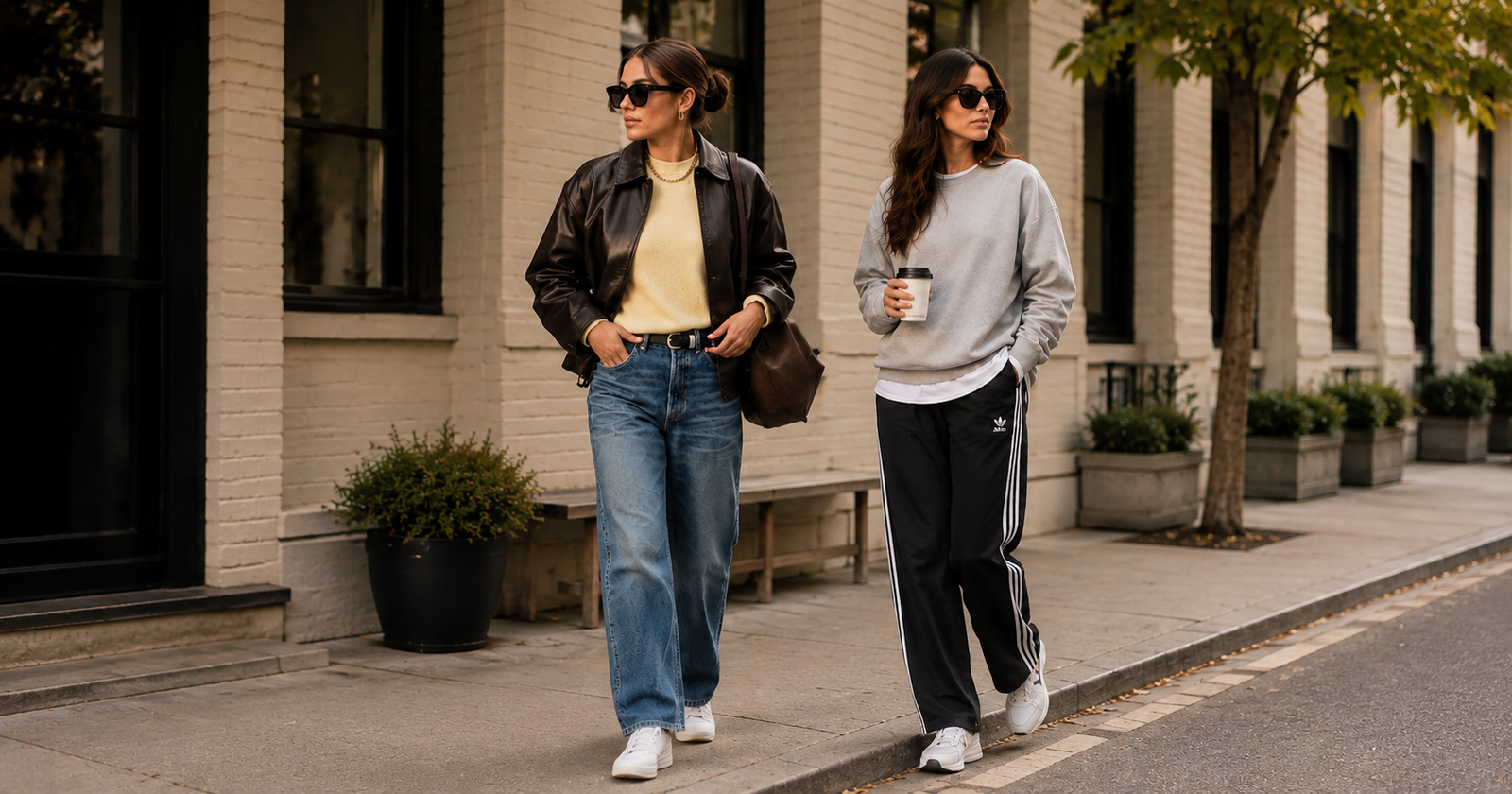
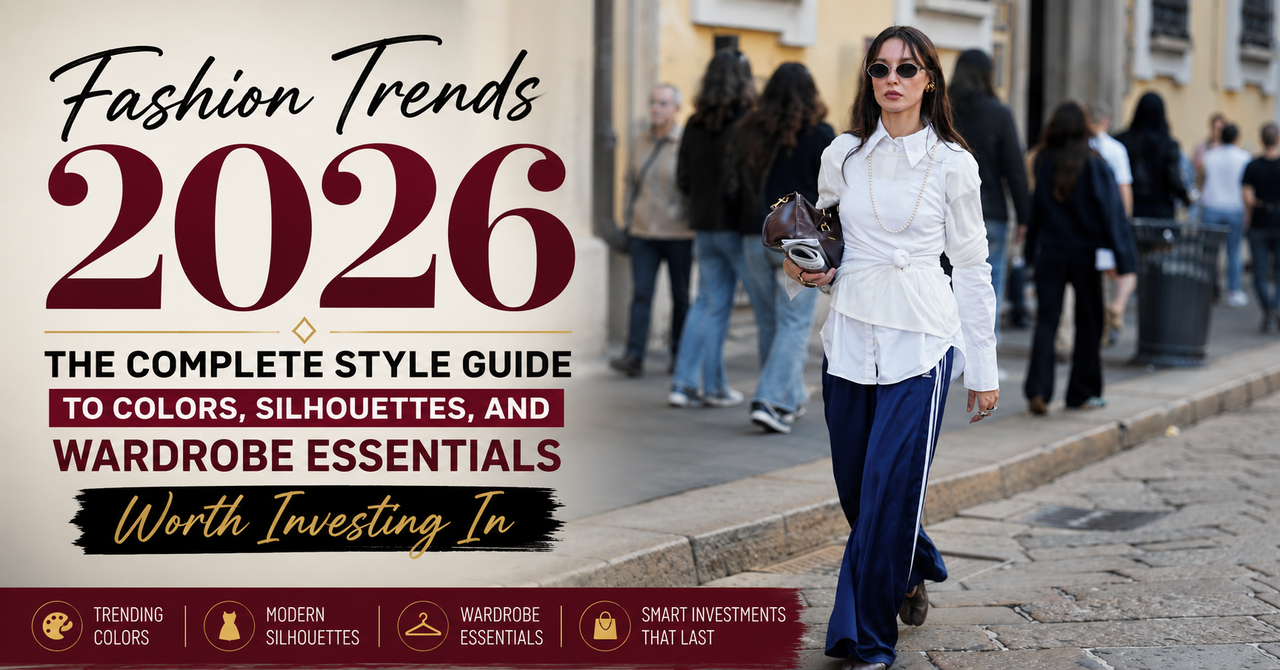
Sportswear is also having what stylists are calling its “polished era.” Rather than leaning fully into gym-inspired looks, the trend blends performance codes, like sport stripes and jersey-style construction, with elevated tailoring and premium fabrics. Think a streamlined sweatshirt cut close enough to wear under a blazer, or a rugby-style polo made from a fabric with real drape rather than basic cotton jersey. This “sport smart” aesthetic sits at the intersection of comfort and credibility, which explains why it’s resonating with people who want ease without looking like they just left a workout.
Accessories, Footwear, and the Details That Signal Trend Awareness
Accessories are often where fashion trends 2026 become the most approachable, since a single new bag or shoe style can update an outfit without requiring a full wardrobe overhaul. Two-tone shoes, particularly cap-toe styles popularized by houses like Chanel, are showing up across price points this season, ranging from ballet flats to boots, offering an easy way to bring runway detail into a much more everyday shoe rotation.
Jewelry is trending toward the ornate rather than the delicate minimalism that dominated recent years. Layered chains, statement earrings, and mixed-metal pieces are being used to add visual interest to otherwise simple outfits, functioning almost like punctuation marks. This shift toward “more is more” in accessories pairs naturally with the quiet neutral color palette elsewhere in fashion trends 2026, since a calm base outfit gives bold jewelry room to actually stand out rather than compete for attention.
Color accents are also playing out in accessories specifically. Royal purple, which first appeared on spring and summer runways, has carried into the current season with real staying power, showing up on bags, shoes, and swimwear well beyond its initial runway moment. Similarly, cherry red is emerging as a fresher alternative to the burgundy that dominated the last several fall seasons, typically used sparingly as a single accent item, a bag, sneaker, or scarf, rather than worn head to toe. This restrained approach to bold color, using it as an accent rather than a statement, is a defining characteristic of how fashion trends 2026 differ from the maximalist color trends of a few years prior.
Sustainability and Slow Fashion Within Trend Culture
No serious discussion of fashion trends 2026 can ignore the growing tension between fast-moving trend cycles and consumer demand for more sustainable, longer-lasting clothing. The problem is straightforward: trend culture historically rewards frequent buying, while environmental and ethical concerns push in the opposite direction, toward fewer, better-made purchases. The solution that’s emerging this year isn’t a rejection of trends altogether, but a smarter way of engaging with them.
Rather than buying entirely new pieces every season, many of the most talked-about fashion trends 2026 are actually reinterpretations of existing wardrobe staples. Asymmetrical detailing on a knit you already own, a cherry red accessory added to a neutral outfit, or restyling a satin piece from a previous season against a new fabric pairing are all ways to participate in current trends without contributing to excess consumption. Even color forecasters have acknowledged this shift, describing tones like Transformative Teal as symbolizing regeneration and a connection to nature, values that align closely with the broader sustainability conversation happening across the industry.
Secondhand and resale platforms have also become a legitimate entry point into trend participation, particularly for statement pieces like ornate jewelry or bold accent colors that might otherwise feel like a risky investment. Buying a single well-made cherry red bag secondhand, rather than a fast-fashion equivalent, lets shoppers engage with a seasonal color trend while keeping their overall footprint lower, a strategy that more style-conscious consumers are adopting as awareness around clothing waste continues to grow.
Comparing Key Fashion Trends 2026 at a Glance
| Trend Category | Defining Element | Where It Shows Up | Easiest Way to Wear It |
|---|---|---|---|
| Color Palette | Cloud Dancer (neutral) + Transformative Teal (accent) | Coats, knits, statement accessories | Neutral base piece, bold accent accessory |
| Silhouette | Asymmetrical necklines and hems | Basic knits, camisoles, sweaters | Update one existing piece instead of a full outfit |
| Fabric Pairing | Satin against cozy texture | Skirts, camisoles, handbags | Layer satin with an oversized knit |
| Athletic Influence | Sport codes with elevated tailoring | Sweatshirts, polos, jerseys | Choose a streamlined cut over a baggy fit |
| Accessories | Ornate, layered jewelry and two-tone shoes | Earrings, chains, cap-toe shoes | Add one statement piece to a simple outfit |
| Accent Colors | Cherry red and royal purple | Bags, sneakers, scarves | Use as a single pop, not head to toe |
How to Shop Fashion Trends 2026 Without Overspending
Trend-chasing has a reputation for being expensive, but the smartest approach to fashion trends 2026 doesn’t actually require a significant budget increase. The most effective strategy is identifying which trends align with pieces already sitting in your closet and updating those first, rather than treating every seasonal shift as a reason to buy something new. An asymmetrical hem or off-center button detail, for instance, can often be found on pieces you already own if you look at your wardrobe with fresh eyes, rather than assuming the trend requires an entirely new purchase.
When new purchases are genuinely warranted, prioritizing versatile, higher-quality basics over trend-specific statement pieces tends to offer better long-term value. A well-made neutral coat in a Cloud Dancer-adjacent shade, for example, will likely remain wearable well beyond this particular color cycle, while a single trend-driven accessory in this year’s accent colors, cherry red or royal purple, offers a lower-risk way to participate in more fleeting color trends without a major financial commitment. This tiered approach, investing in neutrals and experimenting cheaply with accents, is how experienced stylists consistently stay current without their closets ballooning out of control every season.
Timing purchases around end-of-season sales is another practical tactic. Because fashion trends 2026 are already being previewed in the current runway cycle for the following autumn and winter season, savvy shoppers can often find this year’s key colors and silhouettes at a discount as retailers clear inventory to make room for the next drop. Watching for that overlap window, when this season’s key trends are marked down just as next season’s begin appearing in stores, is one of the most reliable ways to shop smart without waiting a full year for prices to drop.
Frequently Asked Questions
What is the main color driving fashion trends 2026?
Pantone named Cloud Dancer, a soft off-white, as its official Color of the Year for 2026, marking only the third time in the program’s history that a neutral has held the title. Alongside it, forecasting institutes WGSN and Coloro highlighted Transformative Teal as a defining accent shade, meaning most of this year’s palette pairs a calm neutral base with a bolder, nature-inspired accent color used sparingly throughout an outfit.
Are asymmetrical clothing details still considered a major trend in 2026?
Yes, asymmetrical necklines, angled hems, and off-center detailing remain one of the most prominent silhouette trends this year, appearing on everything from basic knitwear to more elevated pieces. What makes this trend approachable is that it doesn’t require dramatic shapes, subtle asymmetry on a simple sweater or camisole is enough to feel current within fashion trends 2026 without a full wardrobe overhaul.
How can someone update their wardrobe for fashion trends 2026 on a limited budget?
The most cost-effective approach is identifying which current trends already align with pieces you own, rather than buying everything new. Adding a single accent color, like cherry red or royal purple, through an accessory, or reworking an existing satin or knit piece into a new pairing, lets shoppers engage with current trends without a major financial investment.
Why do runway leadership changes affect broader fashion trends?
When major fashion houses appoint new creative directors, as seen with Jonathan Anderson at Dior and Matthieu Blazy at Chanel, their design choices tend to influence everything from licensing deals to mass-market retail within a single year. This ripple effect is a major reason fashion trends 2026 include a noticeably more confident, expressive mood compared to the minimalism of previous seasons.
Is sustainable shopping compatible with following fashion trends 2026?
It absolutely can be, particularly through strategies like restyling existing wardrobe pieces, buying statement items secondhand, and investing in versatile neutrals that outlast a single trend cycle. Many current trends, including color choices tied to themes of regeneration and nature, actually align with sustainability values rather than working against them.
What sportswear trends should I know about for fashion trends 2026?
Sportswear is moving into what stylists describe as a more polished era, blending performance-inspired details like stripes and jersey fabric with elevated tailoring rather than a purely gym-focused look. Choosing streamlined, well-constructed pieces over oversized athletic basics is the easiest way to incorporate this trend into an everyday wardrobe.
Final Thoughts on Navigating Fashion Trends 2026
Fashion trends 2026 tell a story that’s less about chasing every new micro-trend and more about building a wardrobe with intention: a calm, versatile foundation punctuated by carefully chosen bold moments. Whether that shows up as a Cloud Dancer coat paired with a cherry red bag, an asymmetrical knit you already own, or a polished sportswear piece that works both at the gym and at dinner, the throughline across this year’s biggest movements is balance rather than excess.
The most useful takeaway for anyone trying to stay current is this: you don’t need to overhaul your closet every season to participate meaningfully in fashion trends 2026. Understanding the underlying color story, silhouette shifts, and accessory details gives you the tools to make a few smart, well-chosen updates that carry real style impact, without the waste or expense of chasing every trend that crosses your feed.