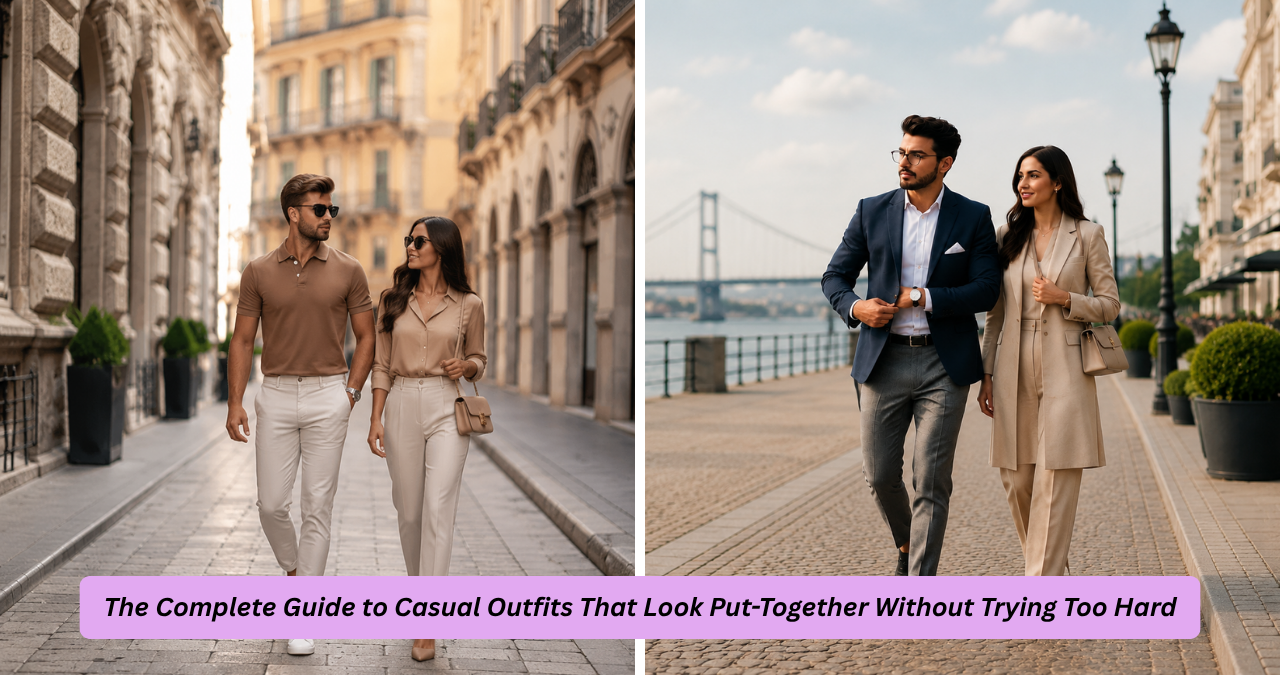
There’s a specific kind of frustration that comes from staring into a closet full of clothes and still feeling like you have nothing to wear. It usually happens on the days that matter least on paper — a coffee run, a school pickup, a casual dinner with friends — and yet somehow those are the outfits that trip people up the most. Formal dressing has rules everyone half-remembers from somewhere. Casual outfits, by contrast, feel like they should be easy, which is exactly why they’re so often not.
This guide breaks down what actually makes casual outfits work, from fabric choices and fit to the small styling decisions that separate “thrown together” from “effortlessly put together.” Whether you’re rebuilding a wardrobe from scratch or just trying to get more mileage out of what’s already hanging in your closet, the goal here is the same: casual outfits that feel like you, without requiring a stylist on speed dial.
What Makes an Outfit Genuinely Casual (And Why That’s Harder Than It Sounds)
Casual dressing is often misunderstood as the absence of effort, when in reality the best casual outfits usually involve just as much thought as formal ones — it’s simply hidden better. A casual outfit is defined less by specific garments and more by tone: relaxed silhouettes, comfortable fabrics, and an overall sense that you dressed for your day rather than for an occasion. Jeans and a t-shirt qualify. So does a linen shirt with tailored shorts, or a soft knit dress with sneakers. The common thread is ease, not a fixed uniform.
Where people run into trouble is assuming “casual” means “no rules,” which leads to outfits that read as unfinished rather than relaxed. There’s a real difference between a slouchy sweater paired with well-fitted trousers and the same sweater paired with baggy sweatpants and no other styling decisions made — one looks intentional, the other looks like laundry day. Fit is doing more work in casual outfits than most people give it credit for, because when fabrics are relaxed, structure has to come from somewhere, and that somewhere is usually the way the pieces sit on your body.
Building a Capable Casual Wardrobe From the Ground Up
A wardrobe that consistently produces good casual outfits isn’t built by chasing trends — it’s built on a foundation of pieces that combine easily with each other. Think of it like a color-mixing kit: a handful of well-chosen basics in compatible tones will generate far more usable casual outfits than a closet full of statement pieces that only work in isolation. A well-fitted pair of jeans, a couple of neutral t-shirts, one structured jacket, comfortable sneakers, and a versatile knit sweater can realistically produce dozens of distinct casual outfits just through recombination.
The mistake a lot of people make is buying casual clothing piece by piece without thinking about how it talks to the rest of the wardrobe. A bright orange graphic tee might be fun on its own, but if nothing else in the closet complements it, it becomes a dead-end item that only gets worn once or twice. A stylist friend of mine who’s spent years doing capsule wardrobe consultations put it simply: “Most people don’t actually need more clothes — they need clothes that talk to each other. That’s
whole secret to never running out of casual outfits to wear.” That single mindset shift, prioritizing compatibility over novelty, tends to solve the “nothing to wear” problem faster than any shopping spree would.
Dressing Casual Outfits for Different Body Types and Comfort Levels
One of the most underrated things about casual outfits is how much flexibility they offer for personal comfort, which matters enormously for how confident someone actually feels in what they’re wearing. Structured, formal clothing often asks the body to conform to the garment; casual clothing tends to do the opposite, which is part of why it photographs and feels more natural on such a wide range of body types. A relaxed straight-leg pant, for instance, tends to be forgiving across many different builds in a way that a slim-fit tailored trouser simply isn’t.
That said, “casual” shouldn’t be confused with “shapeless.” Even within relaxed dressing, small tailoring choices — a cropped hem, a slightly nipped waist, rolled sleeves — can define shape without sacrificing comfort. This is especially useful for anyone dressing for a body that’s changed over time, whether due to pregnancy, weight fluctuation, or simply aging, since casual outfits can be adjusted with minor styling tweaks rather than requiring a full wardrobe overhaul. The goal isn’t to hide the body or exaggerate it, but to let clothing do just enough shaping work that the outfit reads as deliberate.
Seasonal Considerations for Everyday Casual Outfits
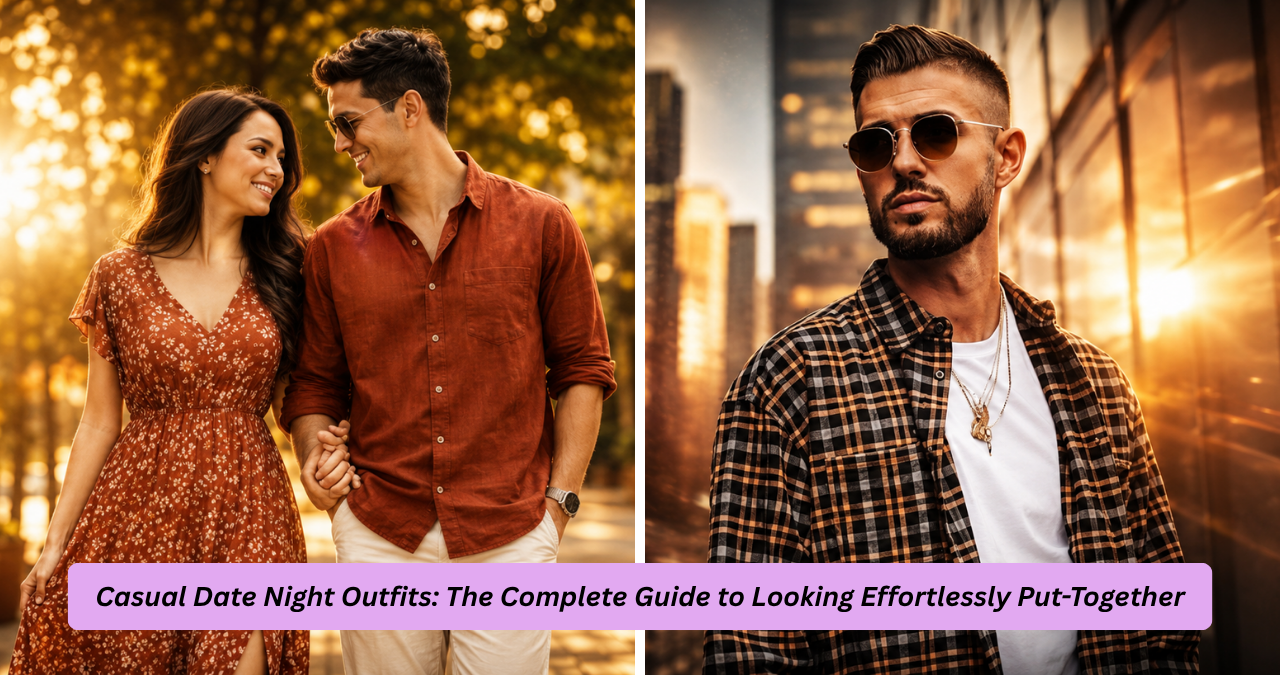
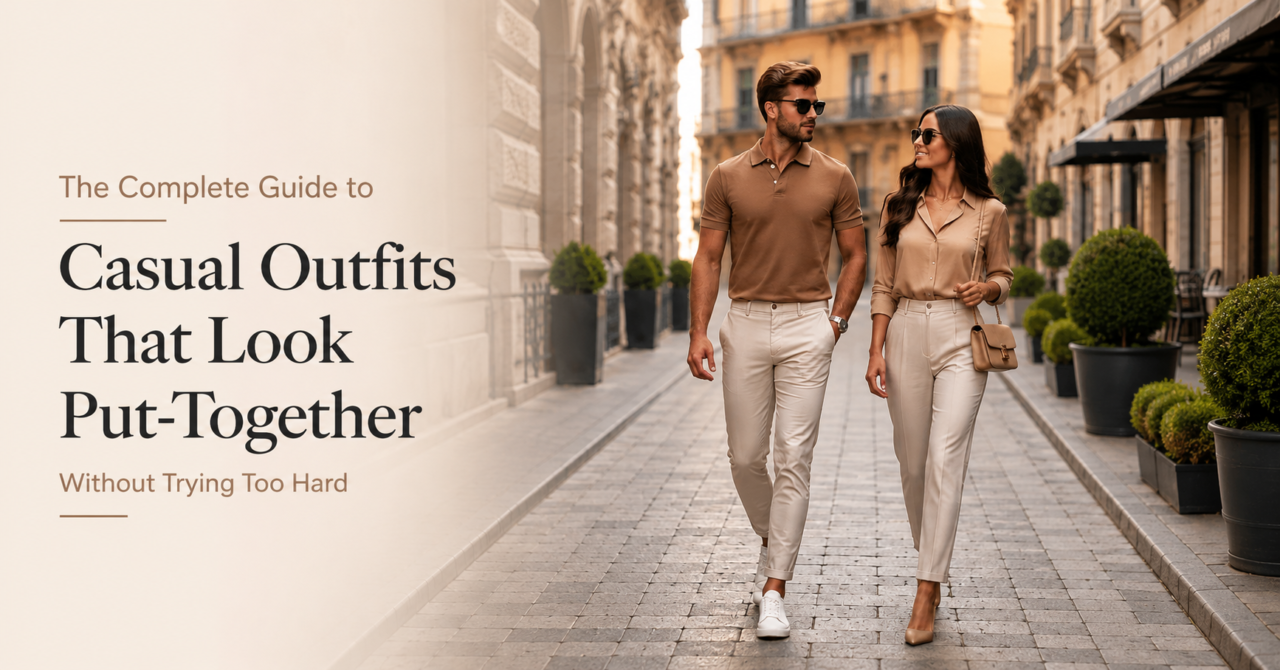
Casual outfits change meaningfully across seasons, and fabric choice tends to matter more here than in formal dressing, where structure can compensate for weather. In warmer months, breathable natural fibers like cotton, linen, and lightweight denim keep casual outfits comfortable without looking sloppy, while synthetic blends often trap heat and lose their shape by midday. A linen button-down with rolled sleeves and relaxed trousers, for example, reads as effortlessly warm-weather appropriate in a way that a polyester equivalent rarely manages.
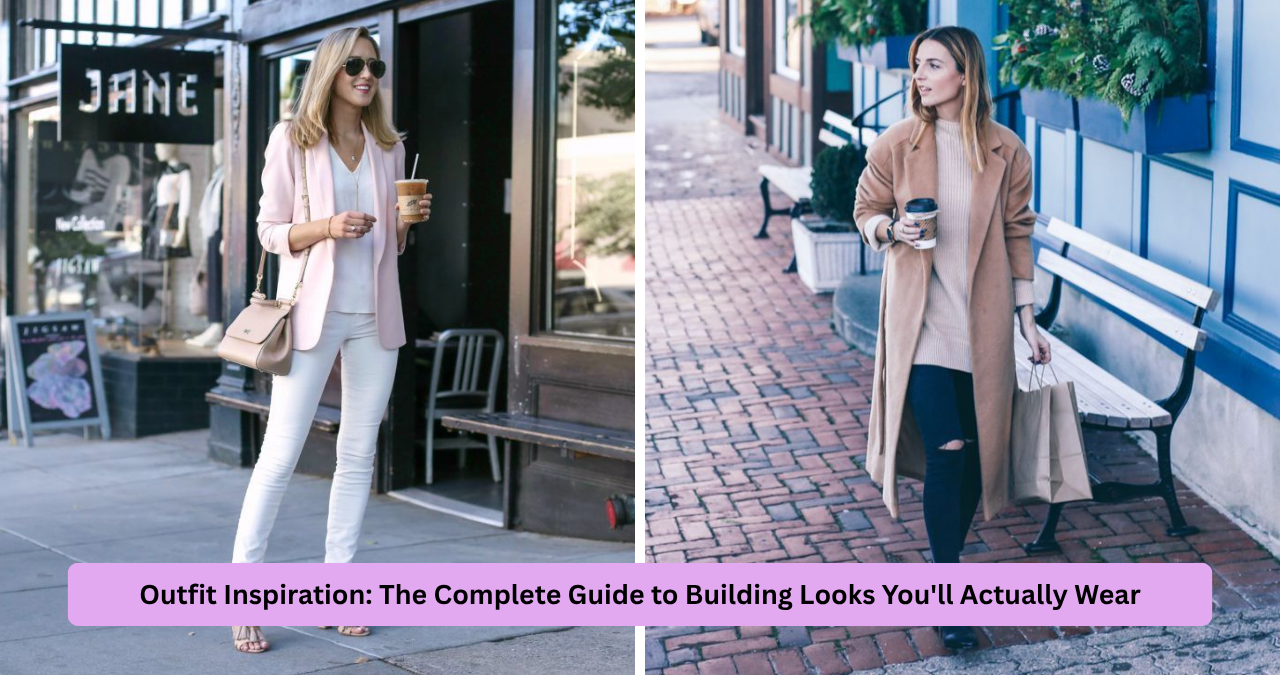
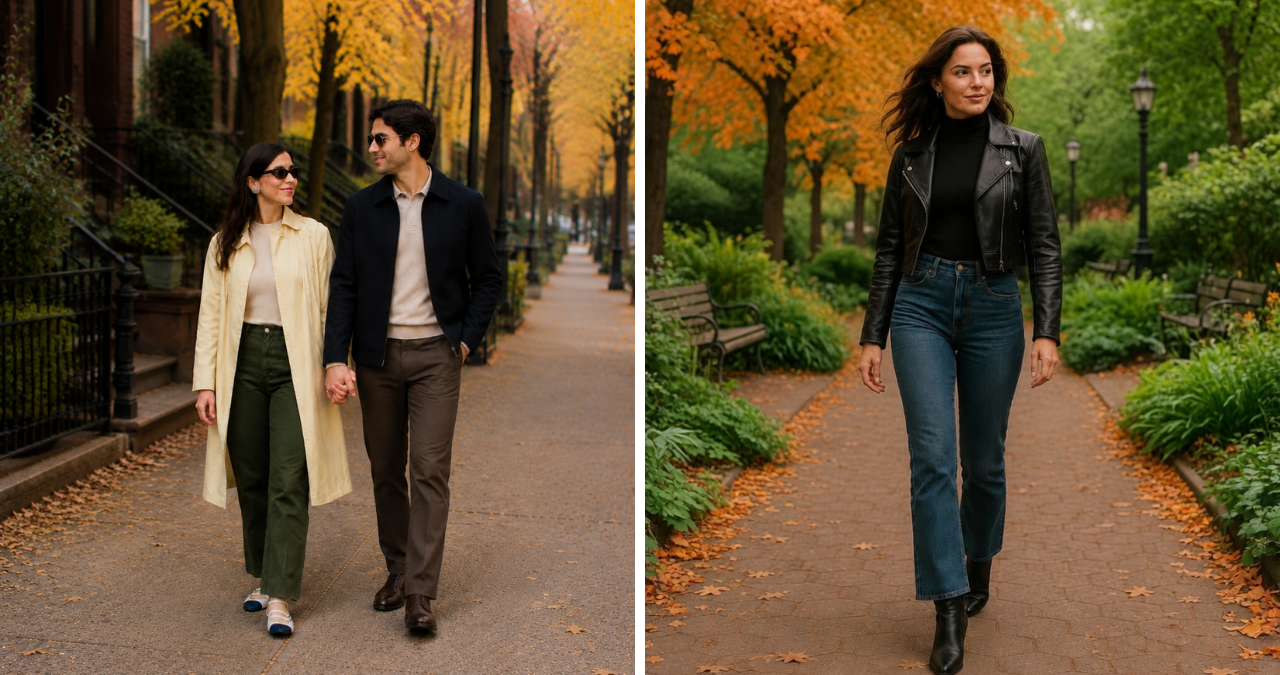
Cooler-weather casual outfits benefit from layering logic rather than simply adding bulk. A thin base layer, a mid-weight sweater, and a structured outer layer like a wool coat or a denim jacket create visual depth while staying functional, and layering also gives you more casual outfit combinations from the same core pieces across a whole season. The common problem people run into in cold weather is over-layering with pieces that don’t share a silhouette logic — a bulky puffer over a bulky sweater, for instance, tends to erase shape entirely. Swapping one of those layers for something slimmer usually solves the problem without sacrificing warmth.
Common Mistakes That Make Casual Outfits Look Unintentional
There’s a fairly short list of habits that separate casual outfits that look styled from ones that look accidental, and most of them come down to details rather than the clothing itself. Ill-fitting hems are one of the biggest offenders — pants pooling at the ankle or sleeves swallowing the hands read as careless regardless of how nice the actual garment is. A five-dollar hem adjustment at a local tailor often does more for a casual outfit’s overall look than an entirely new purchase would.
| Common Mistake | Why It Undermines the Outfit | Simple Fix |
|---|---|---|
| Ill-fitting hems or sleeves | Reads as careless, regardless of garment quality | Tailor pants and sleeves to actual body length |
| Mismatched proportions (baggy on baggy) | Erases shape and silhouette entirely | Pair one relaxed piece with one fitted piece |
| Worn-out sneakers or shoes | Draws attention to neglect rather than style | Rotate footwear and replace worn soles |
| No color or texture variation | Looks flat and one-note | Add one contrasting texture or accent color |
| Overly matched separates | Can look like a uniform rather than an outfit | Break up matching sets with a third piece |
Another frequent issue is proportion mismatching — pairing a loose top with loose bottoms tends to erase the body’s shape entirely, leaving an outfit that reads as formless rather than relaxed. The fix is usually simple: balance one relaxed piece with one more fitted piece, so the eye has somewhere to register shape. Footwear also matters more than people expect in casual outfits specifically, since sneakers and casual shoes show wear faster than dress shoes and are far more visible in an outfit’s overall silhouette.
How Accessories Elevate Casual Outfits Without Overcomplicating Them
Accessories are where a lot of casual outfits either come together or fall flat, and the difference usually comes down to restraint rather than quantity. A single well-chosen accessory — a leather belt, a structured bag, a simple watch — can anchor an entire casual outfit and make it look considered, while too many competing accessories tend to read as cluttered rather than curated. The goal with casual styling is usually one clear focal point, not several fighting for attention.
Layering accessories with intention also helps establish personal style within casual dressing, which is otherwise fairly minimal by nature. A stack of thin gold rings, a canvas tote instead of a nylon backpack, or a pair of statement sunglasses can all signal personality without requiring bold clothing choices. As one personal stylist explained during a wardrobe consultation, “Casual outfits are basically a blank canvas — the accessories are what actually tell people who you are.” That framing tends to take the pressure off finding “exciting” clothing and puts it instead on smaller, more affordable styling decisions that are easier to experiment with.
Shopping Smart for Versatile Casual Outfits
Building a wardrobe of reliable casual outfits doesn’t require an unlimited budget, but it does require shopping with intention rather than impulse. Prioritizing fabric quality and fit over trend-driven pieces tends to pay off over time, since well-made basics simply last longer and stay wearable across more seasons and style shifts. A high-quality plain white t-shirt, for instance, will outlast and outperform five trend-driven graphic tees purchased at the same price point.
It’s also worth shopping with existing pieces in mind rather than treating each purchase as standalone. Before buying anything new, picturing at least three different casual outfits that item could realistically be part of is a useful filter — if nothing comes to mind, it’s usually a sign the piece won’t earn its place in a working wardrobe. This kind of intentional shopping naturally slows down impulse purchases and results in a closet where nearly everything works together, which is ultimately the entire goal behind assembling reliable casual outfits in the first place.
Frequently Asked Questions
What are the basics needed to build good casual outfits?
A strong foundation for casual outfits typically includes well-fitted jeans or trousers, a few neutral t-shirts or knit tops, one versatile jacket, comfortable sneakers, and a couple of layering pieces like a cardigan or hoodie. These items are chosen specifically because they combine easily with each other, which allows a relatively small wardrobe to produce a wide range of casual outfits through simple recombination.
How can I make casual outfits look more put-together?
The easiest way to elevate casual outfits is to focus on fit and proportion rather than adding more clothing. Making sure hems, sleeves, and overall silhouette actually match your body, then pairing one relaxed piece with one more fitted piece, tends to make the biggest visible difference. A single well-chosen accessory can also anchor the whole look and make it read as intentional rather than accidental.
Are casual outfits appropriate for work?
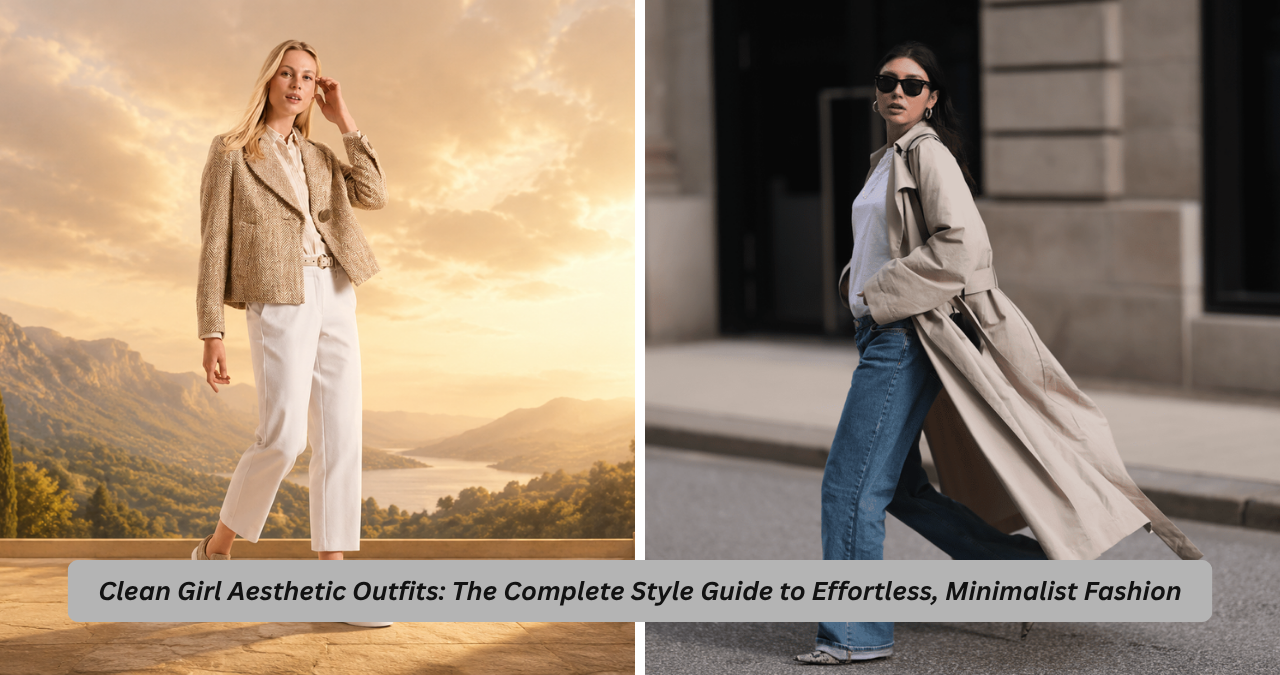
It depends heavily on the workplace, but many offices now embrace business casual or fully casual dress codes, which means well-fitted casual outfits — like tailored trousers with a knit top, or a structured blazer over a simple tee — can work professionally as long as fit and fabric quality stay elevated. When in doubt, casual outfits built around cleaner lines and fewer graphics tend to read as more work-appropriate.
How many casual outfits do I actually need in my wardrobe?
There’s no fixed number, but a wardrobe built around compatible basics can generate dozens of distinct casual outfits from a relatively small number of individual pieces. The focus should be on versatility rather than volume, since a handful of well-chosen items that combine easily will outperform a much larger wardrobe of pieces that don’t work together.
What’s the difference between casual outfits and business casual outfits?
Casual outfits generally prioritize comfort and relaxed silhouettes without much concern for formality, while business casual outfits borrow that same relaxed comfort but add more structure and polish, such as tailored trousers, collared shirts, or closed-toe shoes. The line between the two often comes down to fabric choice and fit, since a slightly more structured version of a casual outfit is usually all it takes to shift it into business casual territory.
Final Takeaway
Great casual outfits aren’t about owning more clothes or chasing whatever’s trending this season — they’re about understanding fit, fabric, and how individual pieces work together as a system. Once that foundation is in place, putting together casual outfits stops feeling like a daily puzzle and starts feeling almost automatic, because the wardrobe is doing most of the work before you even get dressed. The real win isn’t a single perfect outfit; it’s building a closet where nearly everything in it can become one.