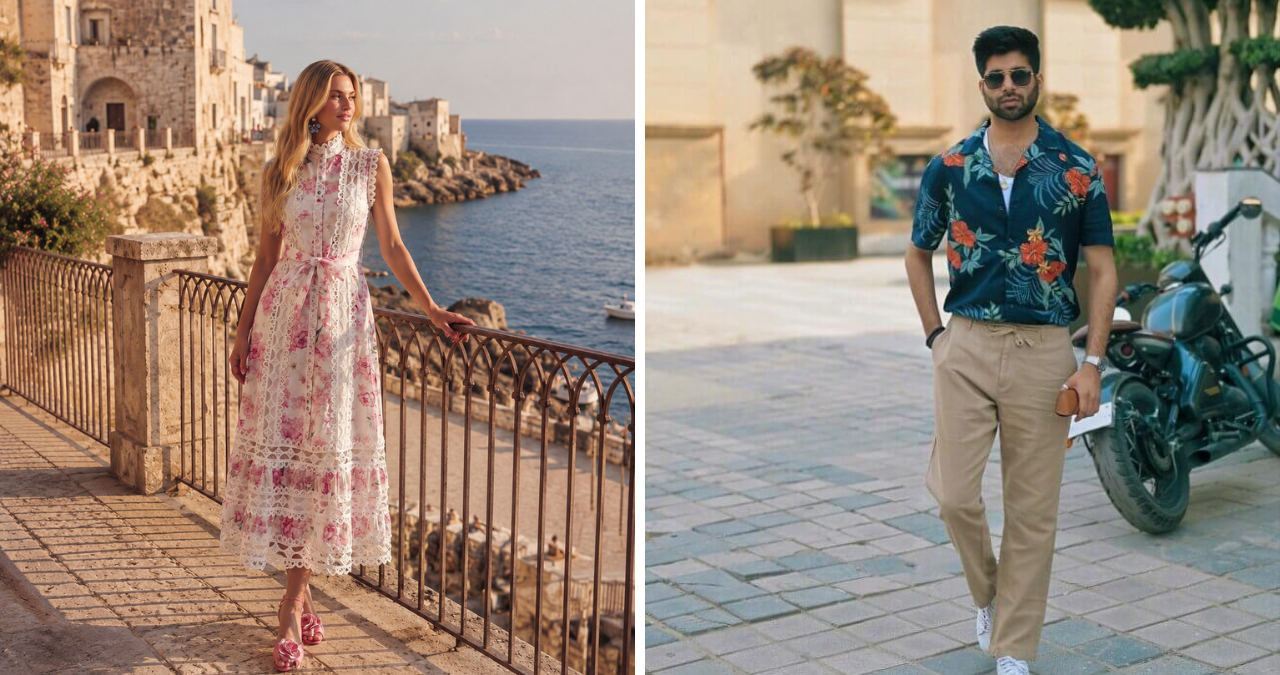
Few seasons put your wardrobe to the test quite like summer does. The heat, humidity, and endless string of outdoor plans mean that summer fashion isn’t just about looking good in photos — it’s about staying comfortable while still feeling like yourself. Anyone who has sweated through a “cute” outfit at a rooftop party or wilted in a fabric that looked great on a hanger but terrible in real life knows exactly what I mean.
This guide pulls together practical, tested advice on summer fashion — from fabric science to color psychology to the small styling tricks that separate an outfit that “works” from one that actually turns heads. Whether you’re refreshing a capsule wardrobe, planning a vacation suitcase, or just trying to survive a heatwave commute without ruining your blowout, you’ll find real, usable insight here rather than generic trend-chasing.
What Makes Summer Fashion Different From Other Seasons
Summer fashion operates under a unique set of constraints that other seasons simply don’t have. Heat and humidity change how fabric behaves against skin, how makeup holds up, and even how silhouettes should be cut. A blazer that reads “polished” in autumn can feel suffocating in July, and a fabric blend that’s cozy in winter might trap moisture and cause chafing in warmer months. This is why stylists so often say that summer dressing is less about following trends and more about understanding your environment first.
There’s also a psychological shift that happens in summer fashion. Lighter clothing tends to correlate with lighter moods — brighter palettes, looser silhouettes, and more skin-baring cuts all signal a seasonal reset. Fashion psychologists have long noted that clothing color and cut can influence perceived energy and approachability, which is part of why summer wardrobes lean toward pastels, whites, and saturated brights rather than the deep neutrals common in colder months. Understanding this emotional dimension helps explain why certain pieces — a linen shirt, a flowing sundress, a pair of woven sandals — feel intrinsically “summery” even beyond their practical benefits.
Choosing the Right Fabrics for Hot Weather
If there’s one non-negotiable rule in summer fashion, it’s fabric choice. Breathability should always outrank trendiness when the mercury climbs above 85°F (29°C). Natural fibers like linen, cotton, and lightweight silk allow air to circulate close to the skin, which helps regulate body temperature far more effectively than synthetic blends like polyester or nylon, which tend to trap heat and moisture.
Linen deserves special mention because it has quietly become the unofficial fabric of modern summer fashion. It wrinkles easily, yes, but that relaxed, slightly rumpled look has become part of its appeal rather than a flaw to hide. A linen shirt worn slightly open over swimwear, or a linen blazer thrown over a simple tank top, instantly reads as effortless and intentional. Cotton, meanwhile, remains the workhorse fabric — affordable, durable, and easy to care for, making it ideal for everyday summer fashion basics like t-shirts, shorts, and casual dresses.
| Fabric | Breathability | Best For | Care Level |
|---|---|---|---|
| Linen | Excellent | Shirts, trousers, dresses | Medium (wrinkles easily) |
| Cotton | Very Good | Everyday basics, casualwear | Low |
| Chambray | Good | Layering pieces, shirts | Low |
| Rayon/Viscose | Good | Flowy dresses, blouses | Medium |
| Polyester blends | Poor–Fair | Activewear only | Low |
| Silk | Excellent (thin weaves) | Evening or dressy occasions | High |
Color Trends and Palettes That Define the Season
Color plays an outsized role in summer fashion, both functionally and stylistically. On the practical side, lighter colors reflect sunlight rather than absorbing it, which is why white, cream, and pastel shades stay noticeably cooler than black or navy in direct sun. This isn’t just folklore — it’s basic thermodynamics, and it’s one of the reasons resortwear and beach collections lean so heavily into soft, sun-friendly hues.
Stylistically, summer fashion tends to swing between two poles each year: soft, washed-out pastels (think buttery yellow, sage green, powder blue) and bold, saturated brights (fuchsia, tangerine, cobalt). A stylist I spoke with while researching seasonal color forecasting put it well: “Summer is the one season where people give themselves permission to be a little louder with color — it’s tied to vacation mindset as much as it is to trend cycles.” That permission is worth embracing. A single bright accessory — a bag, a pair of sandals, a scarf — can update an otherwise neutral summer fashion look without requiring a full wardrobe overhaul.
Building a Practical Summer Capsule Wardrobe
A well-planned capsule wardrobe solves one of the biggest frustrations of summer fashion: the “nothing to wear” feeling despite an overflowing closet. The goal is to choose a limited set of high-versatility pieces that can be mixed and matched across multiple occasions, from office days to weekend brunches to spontaneous evening plans.
Start with foundational pieces that do double duty. A midi dress in a solid color works as easily for a dinner date as it does layered under a cardigan for an air-conditioned office. Tailored linen shorts pair with a simple white tee for daytime and a silk cami for evening. The key principle in summer fashion capsule-building is versatility over volume — five well-chosen pieces that mix into a dozen outfits will always outperform twenty impulse buys that only work in isolation. Footwear should follow the same logic: a pair of leather sandals, a canvas sneaker, and one slightly dressier option can realistically cover 90% of summer occasions without overcomplicating your packing or your closet.
Accessorizing Smartly Without Overheating
Accessories are where a lot of people either elevate or accidentally sabotage their summer fashion choices. Heavy jewelry, thick belts, and structured bags can all look great in photos but become genuinely uncomfortable in high heat and humidity. The smarter approach is choosing accessories that are functional first and decorative second.
Sunglasses, woven or straw hats, and lightweight canvas totes aren’t just stylish add-ons — they’re protective gear disguised as fashion. A wide-brim straw hat, for instance, does real work shielding your face and neck from UV exposure while instantly making even the simplest outfit feel curated. Similarly, choosing gold-tone or resin jewelry over heavy metal pieces reduces skin contact discomfort in the heat while still delivering visual impact. The best summer fashion accessorizing treats each piece as multi-purpose: sun protection, sweat resistance, and style, all at once.
Dressing for Different Occasions in Summer
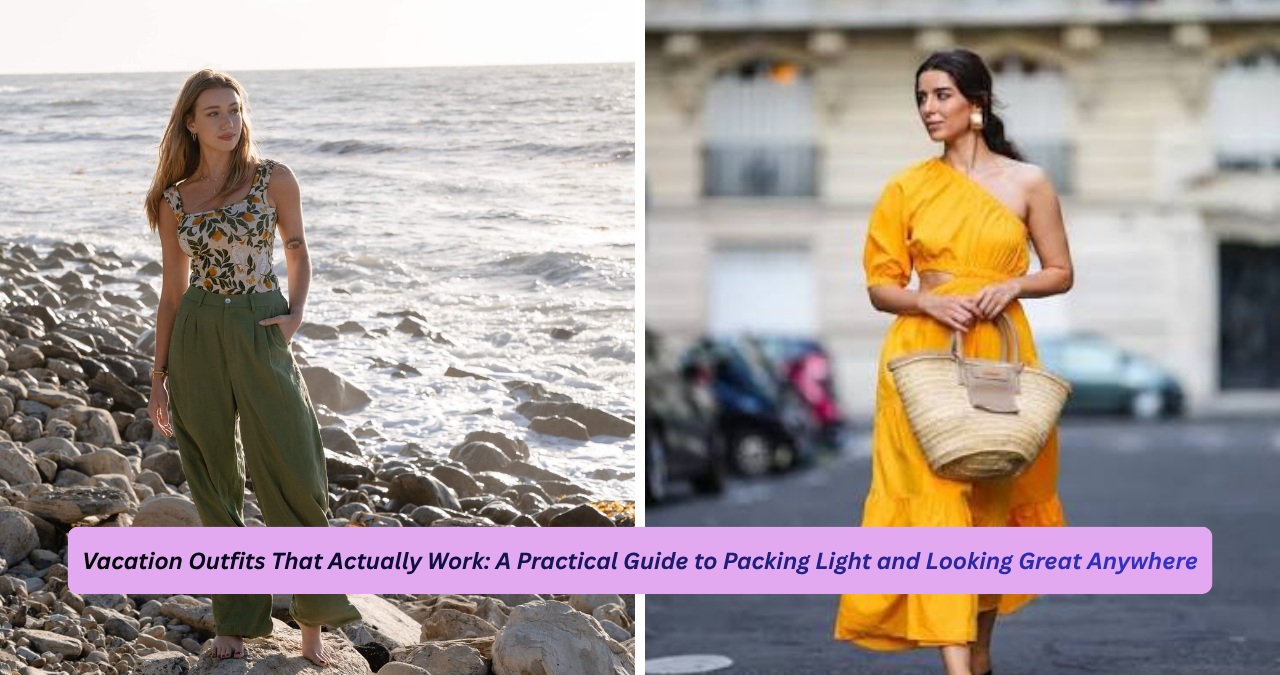
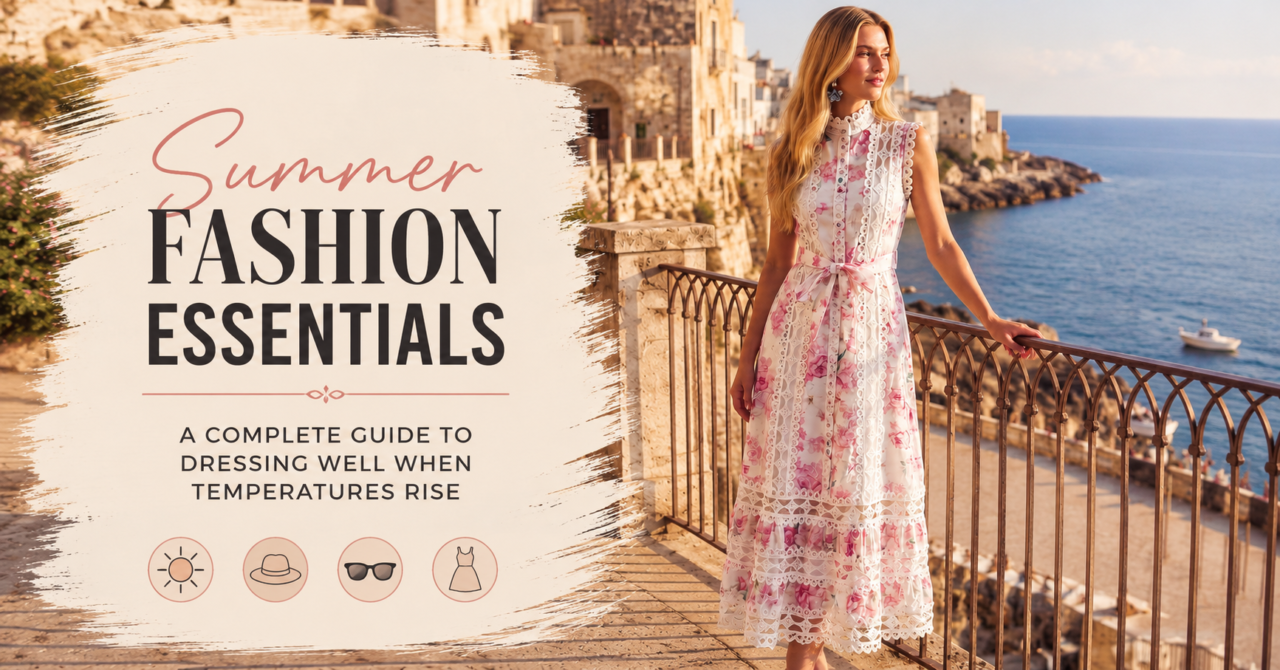
One mistake people frequently make with summer fashion is applying a single formula — think tank top and shorts — to every occasion, regardless of context. Summer social calendars are actually more varied than most other seasons, spanning weddings, office days, beach trips, and evening events, each requiring a different approach.
For summer weddings, lightweight fabrics in soft florals or solid pastels strike the right balance between festive and appropriate, while avoiding all-white outfits that could compete with a bride. For office environments, breathable tailored pieces — linen-blend trousers, short-sleeve button-downs, midi skirts — maintain professionalism without the discomfort of heavier fabrics. Beach and resort settings call for a completely different wardrobe logic centered on quick-drying, sun-safe, and easily packable pieces like cover-ups, kaftans, and rash guards. Recognizing these distinctions is what separates thoughtful summer fashion choices from one-size-fits-all dressing that often falls flat in practice.
Sustainable and Long-Lasting Summer Style Choices
Sustainability has become an increasingly central conversation within summer fashion, partly because lightweight seasonal pieces are historically some of the most disposable items in fast fashion cycles. A cheap synthetic sundress bought for one vacation often ends up in a landfill within a year, both because of poor fabric quality and because trend-driven pieces fall out of style quickly.
Investing in higher-quality natural fibers, choosing timeless silhouettes over ultra-trendy cuts, and supporting brands with transparent, ethical manufacturing practices all contribute to a more sustainable approach to summer fashion. Secondhand and resale platforms have also become a legitimate source for well-made summer pieces at a fraction of retail price, particularly for structured items like linen blazers or leather sandals that tend to hold up well over multiple seasons. As one sustainability-focused designer noted in an interview about seasonal overconsumption, “The most sustainable garment is always the one you already own and actually wear again.” That mindset — buying fewer, better pieces — is quietly reshaping how thoughtful consumers approach summer fashion each year.
Common Summer Fashion Mistakes and How to Avoid Them
Even experienced dressers fall into a few recurring traps each summer. The most common is prioritizing appearance over comfort — wearing stiff, non-breathable fabrics because they photograph well, only to regret it within an hour outdoors. The solution is simple: always check fabric composition labels before purchasing, and favor natural or breathable blends whenever possible.
Another frequent misstep is over-layering out of habit, carrying winter styling instincts (blazers, scarves, boots) into a season that calls for the opposite approach. Similarly, many people underestimate sun exposure, choosing style over protection and ending up with sunburn that could have been avoided with a hat or lightweight long-sleeve cover. The most successful summer fashion strategies treat comfort, sun safety, and breathability as the foundation, then layer style choices on top — not the other way around.
Frequently Asked Questions
What fabrics are best for summer fashion?
Natural, breathable fabrics like linen, cotton, and lightweight silk are widely considered the best choices for summer fashion because they allow air circulation and wick moisture away from the skin. Synthetic materials like polyester should generally be avoided for everyday summer wear since they trap heat and can cause discomfort in high temperatures.
What colors are trending in summer fashion this year?
Summer fashion color trends typically alternate between soft pastels like sage green, butter yellow, and powder blue, and bold saturated tones like cobalt blue, fuchsia, and tangerine. Both palettes work well because lighter shades reflect heat effectively, while bright accent pieces add visual interest without requiring a full outfit change.
How can I build a summer capsule wardrobe on a budget?
Building an affordable summer fashion capsule wardrobe starts with choosing versatile, neutral-based pieces that can be mixed across multiple outfits, such as a solid-color midi dress, breathable shorts, and a simple white tee. Prioritizing quality over quantity in a handful of key pieces, and shopping secondhand for structured items like sandals or blazers, helps stretch a limited budget significantly further.
Is it better to wear loose or fitted clothing in summer?
Loose, relaxed-fit clothing is generally considered more practical for summer fashion because it allows air to circulate against the skin and reduces the discomfort caused by fabric clinging in humidity. Fitted pieces can still be worn comfortably in summer as long as they’re made from breathable, lightweight fabrics rather than heavy or stretch-restrictive materials.
How do I accessorize a summer outfit without overheating?
The key to accessorizing summer fashion without overheating is choosing pieces that serve a dual purpose, such as a wide-brim straw hat for sun protection or lightweight resin jewelry instead of heavy metal pieces. Avoiding thick belts, structured bags, and multiple heavy layers of jewelry helps keep accessories functional as well as stylish during hot weather.
Final Thoughts on Mastering Summer Fashion
At its core, great summer fashion isn’t about chasing every trend that appears in a seasonal lookbook — it’s about understanding how fabric, color, and silhouette interact with heat, humidity, and your own daily life. The people who consistently look put-together all summer aren’t necessarily spending more money; they’re making smarter choices rooted in breathability, versatility, and genuine comfort.
If there’s one takeaway to carry forward, it’s this: comfort and style were never actually in competition. The best summer fashion choices prove that looking effortlessly good and feeling genuinely comfortable can — and should — happen at the same time.