Gadgets investing has quietly become one of the more interesting corners of the broader technology investment world, and it’s not hard to see why. Every year brings a fresh wave of smart devices, wearables, AI-powered tools, and connected home products that reshape how people live, work, and communicate. For investors paying attention, gadgets investing offers a way to align portfolio decisions with real consumer behavior rather than abstract market speculation, since the products driving this trend are things people actually use, upgrade, and depend on every single day.
What makes gadgets investing genuinely worth understanding, rather than just another buzzword floating around finance blogs, is how directly it connects to measurable consumer demand. Unlike some speculative tech sectors where value is largely theoretical, gadgets investing is grounded in tangible product cycles, earnings reports, and adoption rates that investors can actually track over time. This guide breaks down what gadgets investing really means, how it works in practice, and what factors matter most if you’re considering this approach as part of a broader investment strategy. As with any investment decision, it’s worth remembering that this article provides educational information rather than personalized financial advice, and consulting a licensed financial advisor is always a smart step before committing capital.
What Gadgets Investing Actually Means
At its core, gadgets investing refers to allocating capital toward companies, funds, or products connected to consumer electronics, wearable technology, smart home devices, and other tech gadgets with strong growth potential. This can take several forms, from buying individual stocks in companies that manufacture or design these products, to investing in exchange-traded funds that track the broader consumer technology sector, to even more direct approaches like backing hardware startups through venture capital or crowdfunding platforms. The common thread across all these approaches is a focus on physical, consumer-facing technology products rather than purely software or service-based tech investments.
It’s worth distinguishing gadgets investing from general “tech investing” here, since the two overlap but aren’t identical. General tech investing might include cloud computing companies, enterprise software firms, or cybersecurity businesses that consumers never directly interact with. Gadgets investing, by contrast, centers specifically on products people can hold, wear, or place in their homes, think smartphones, smartwatches, AI-enabled home assistants, gaming peripherals, and augmented reality headsets. This distinction matters because gadget-focused investments tend to be more directly influenced by consumer sentiment, seasonal shopping patterns, and product launch cycles than software-heavy tech investments typically are.
Why Gadgets Investing Has Gained Momentum
The rise of gadgets investing as a recognizable strategy ties closely to how fundamentally consumer habits have shifted over the past decade. A wearable fitness tracker or a voice-activated smart speaker would have seemed like a novelty item just a few years ago, yet these products are now embedded in millions of households worldwide, generating steady, recurring demand. This shift reflects a broader pattern in consumer electronics, where products move from niche curiosity to everyday necessity remarkably quickly once the underlying technology matures and price points become accessible.
Predictable upgrade cycles play a major role in why gadgets investing appeals to a growing number of investors. Most consumers replace smartphones, laptops, and wearables every two to four years, creating a recurring revenue stream for companies that dominate these categories. This is part of why established players like Apple and Samsung remain foundational names within gadgets investing conversations, since their combination of brand
, ecosystem lock-in, and consistent product refresh cycles creates a level of earnings predictability that’s relatively rare in fast-moving tech sectors. Beyond the giants, though, gadgets investing has also opened doors for investors interested in smaller, innovative companies pushing into emerging categories like AI wearables and home robotics, areas where growth potential is higher but so is the risk.

Key Categories Within the Gadgets Investing Space
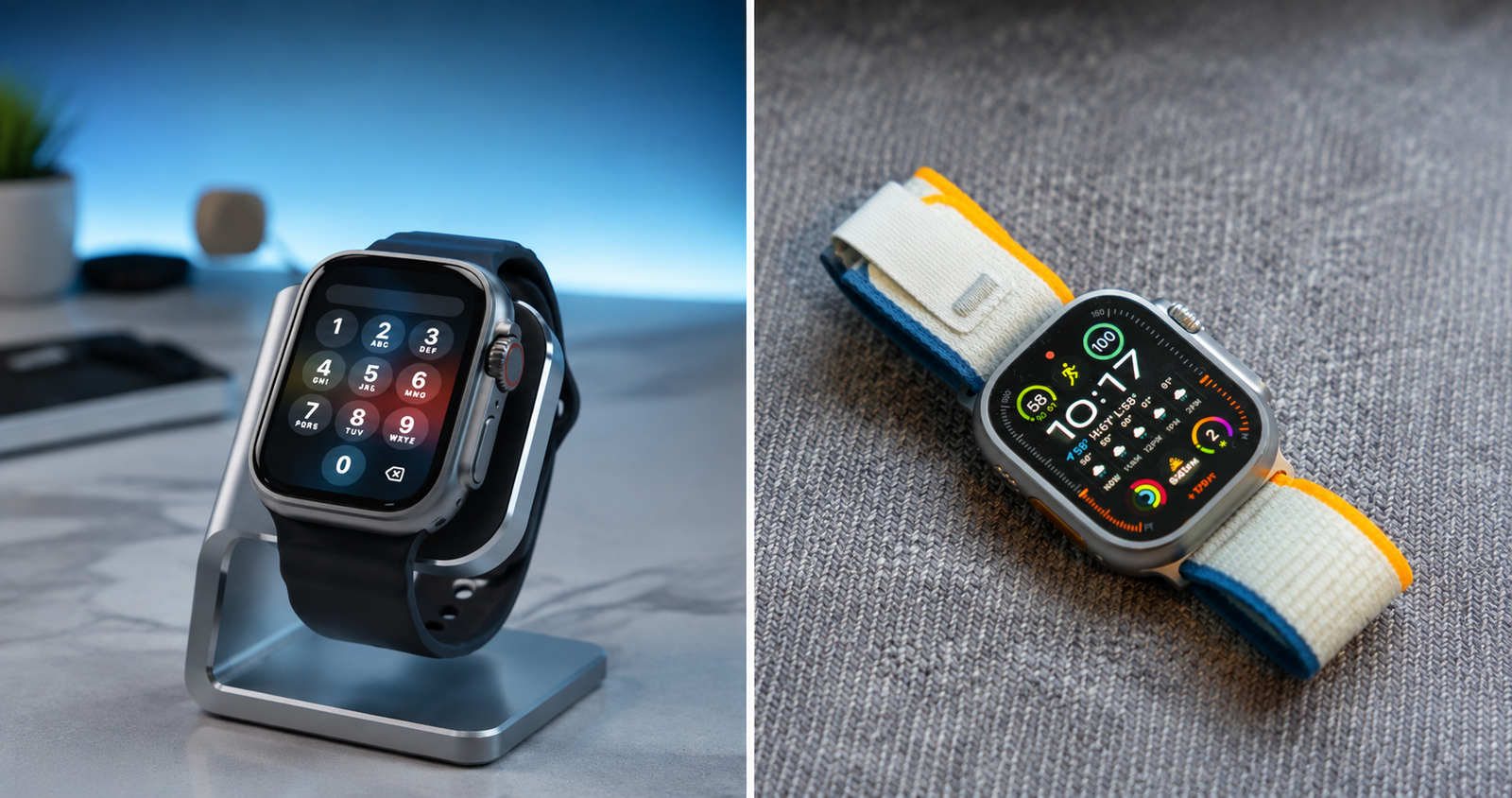
Gadgets investing spans a genuinely wide range of product categories, and understanding these segments helps clarify where different opportunities and risks tend to concentrate. Wearable technology, including smartwatches, fitness trackers, and increasingly, AI-enabled smart glasses, represents one of the fastest-growing categories, driven largely by rising consumer interest in health monitoring and hands-free digital interaction. Smart home devices, ranging from voice assistants to connected security systems and automated lighting, form another major pillar, benefiting from broader trends toward home automation and energy efficiency.
Gaming peripherals and entertainment gadgets also occupy a meaningful place within gadgets investing, particularly as virtual reality and augmented reality hardware continues to mature beyond early adopter status. A useful analogy here is comparing this space to the early smartphone market in the mid-2000s, when investors who recognized the shift toward mobile computing early on saw substantial returns as adoption scaled globally. Gadgets investing today often involves trying to identify which emerging category, whether that’s AI wearables, home robotics, or something not yet mainstream, might follow a similar adoption curve over the next several years.
How to Evaluate Gadgets Investing Opportunities
Successfully approaching gadgets investing requires looking beyond flashy product launches and marketing hype to assess the underlying business fundamentals driving a company’s long-term value. Revenue diversification is one important factor, since companies overly reliant on a single flagship product can be vulnerable to slower sales cycles or shifting consumer preferences. A company with a broad ecosystem of interconnected devices, where customers who buy one product are likely to purchase complementary devices later, generally demonstrates stronger long-term positioning than one dependent on a single hit gadget.
Supply chain resilience and manufacturing partnerships also matter significantly within gadgets investing, since consumer electronics companies are particularly exposed to component shortages, geopolitical trade tensions, and shifting manufacturing costs. As one technology sector analyst put it during a recent industry discussion, “The companies that survive tech’s boom-and-bust cycles aren’t always the flashiest innovators, they’re the ones with supply chains built to absorb shocks without missing a product cycle.” That perspective captures something important about gadgets investing that pure hype-chasing often misses: durability and operational discipline frequently matter more than being first to market with the newest feature.
Risks and Challenges in Gadgets Investing
Like any investment category, gadgets carries real risks that deserve honest consideration rather than being glossed over in favor of growth narratives. Consumer electronics is an intensely competitive space, and companies can fall out of favor quickly if a competitor releases a superior product or if consumer tastes shift unexpectedly. History offers plenty of examples of once-dominant gadget makers losing significant market share within just a few product cycles, which is a useful reminder that brand recognition alone doesn’t guarantee continued investment performance.
Economic sensitivity is another factor worth weighing carefully. Consumer electronics purchases are often discretionary spending, meaning that during economic downturns, gadget sales frequently slow down faster than more essential goods and services. This makes gadgets investing somewhat more cyclical than sectors tied to necessities like healthcare or utilities, and investors should factor that volatility into their broader portfolio strategy rather than treating gadget-focused holdings as a stable, defensive position. Diversifying within gadgets investing itself, spreading exposure across
companies and product categories rather than concentrating in a single gadget maker, can help manage some of this inherent sector risk. <table> <tr><th>Category</th><th>Examples</th><th>Growth Driver</th></tr> <tr><td>Wearable Technology</td><td>Smartwatches, fitness trackers, AI glasses</td><td>Health monitoring, hands-free interaction</td></tr> <tr><td>Smart Home Devices</td><td>Voice assistants, connected security systems</td><td>Home automation, energy efficiency</td></tr> <tr><td>Gaming Peripherals</td><td>VR/AR headsets, controllers</td><td>Immersive entertainment demand</td></tr> <tr><td>Mobile Devices</td><td>Smartphones, tablets</td><td>Predictable upgrade cycles</td></tr> </table>
Practical Ways to Get Started With Gadgets Investing
For investors interested in exploring gadgets without picking individual stocks, sector-specific exchange-traded funds offer a diversified entry point, spreading exposure across multiple consumer electronics and technology hardware companies rather than betting on a single business. This approach can reduce some of the company-specific risk inherent in gadgets investing while still capturing broader sector growth trends tied to rising smart device adoption worldwide.
For those comfortable with more direct exposure, researching individual companies within specific gadget categories, wearables, smart home technology, or gaming hardware, allows for more targeted positioning based on personal conviction about which trends will gain the most traction. This more hands-on approach to generally requires closer ongoing attention to quarterly earnings reports, product launch calendars, and competitive positioning, since individual company performance can vary significantly even within a generally growing sector. Regardless of which approach fits your situation better, starting with a clear understanding of your own risk tolerance and investment timeline is essential before committing meaningful capital to any tech-focused strategy.
Frequently Asked Questions
What is gadgets investing in simple terms?
Gadgets investing refers to putting money into companies, funds, or products connected to consumer electronics and smart technology, including wearables, smart home devices, and gaming hardware. It focuses specifically on physical, consumer-facing tech products rather than broader software or enterprise technology investments.
Is gadgets investing considered high risk?
Gadgets investing carries a moderate to high risk profile compared to more stable, established sectors, largely because consumer electronics purchases are discretionary spending and highly sensitive to economic downturns and shifting consumer preferences. Diversifying across multiple companies and gadget categories can help manage some of this risk within a gadgets investing strategy.
How is gadgets investing different from general tech investing?
Gadgets investing specifically targets physical consumer electronics and smart devices, like wearables, smart home products, and gaming hardware, while general tech investing often includes software, cloud computing, and enterprise services that consumers don’t directly interact with. This makes gadgets investing more closely tied to consumer purchasing behavior and product launch cycles.
What companies are commonly associated with gadgets investing?
Established consumer electronics companies with strong ecosystems and predictable upgrade cycles are frequently central to gadgets investing discussions, given their track record of recurring revenue and brand loyalty. Smaller, innovative companies in emerging categories like AI wearables and home robotics also attract attention within gadgets investing for their higher growth potential, though typically with greater risk.
Can beginners get started with gadgets investing easily?
Yes, beginners can approach gadgets investing through diversified sector-specific exchange-traded funds, which spread exposure across multiple consumer electronics companies rather than requiring individual stock selection. This offers a more accessible entry point for investors who want exposure to the broader gadgets investing trend without needing to research individual companies in depth.
Final Thoughts
Gadgets investing represents a genuinely compelling way to align investment strategy with visible, everyday consumer behavior, from the wearable on someone’s wrist to the smart speaker sitting on a kitchen counter. As product categories continue expanding into areas like AI-enabled wearables and home robotics, the opportunities within gadgets investing are likely to keep evolving alongside consumer demand. That said, success in this space depends on looking past hype cycles toward fundamentals like revenue diversification, supply chain strength, and realistic risk assessment. Approached thoughtfully, gadgets investing can be a meaningful piece of a diversified portfolio, but like any investment decision, it deserves careful research and, ideally, guidance from a qualified financial professional before committing real capital.