Picking from the best solo travel destinations can feel overwhelming, mostly because so many lists online repeat the same five cities without explaining what actually makes a place work well for solo travelers. Safety matters, obviously, but so does ease of navigation, opportunities to meet people, quality of public transport, and how comfortable a destination feels for someone eating dinner alone or wandering without a fixed plan. Those factors matter far more than a country simply looking good in photos.
This guide isn’t a copy-paste ranking. It’s built around the actual criteria experienced solo travelers use to evaluate a destination, paired with specific places that consistently deliver on those criteria. Whether the goal is a first solo trip abroad or a more adventurous solo journey after years of group travel, understanding what makes a destination genuinely solo-friendly will save far more stress than any packing list ever could.
What Actually Makes a Destination Great for Solo Travel
Before naming specific places, it helps to define the criteria, because “best solo travel destinations” means something different depending on the traveler. Safety is the most obvious factor, but it’s more nuanced than overall crime statistics — it includes things like how safe public transport feels at night, how common scams targeting tourists are, and how women traveling alone are generally treated, since safety perception often differs significantly by gender. English proficiency or general ease of communication also matters enormously for reducing daily friction, especially for a first-time solo traveler still building confidence navigating unfamiliar systems.
Social infrastructure is the other major, often overlooked factor. The best solo travel destinations tend to have strong hostel cultures, walkable city centers, communal dining norms, and organized activities like walking
or group excursions that make it easy to meet other travelers without forcing it. A destination can be perfectly safe and still feel isolating if there’s no natural way to connect with other people, which is why cities with strong backpacker infrastructure often outperform quieter, equally safe destinations for people traveling solo for the first time. One travel writer who has covered solo travel for over a decade summed it up well: “The best solo destinations aren’t necessarily the safest on paper — they’re the ones where being alone doesn’t automatically mean being lonely.”
Top Destinations for First-Time Solo Travelers
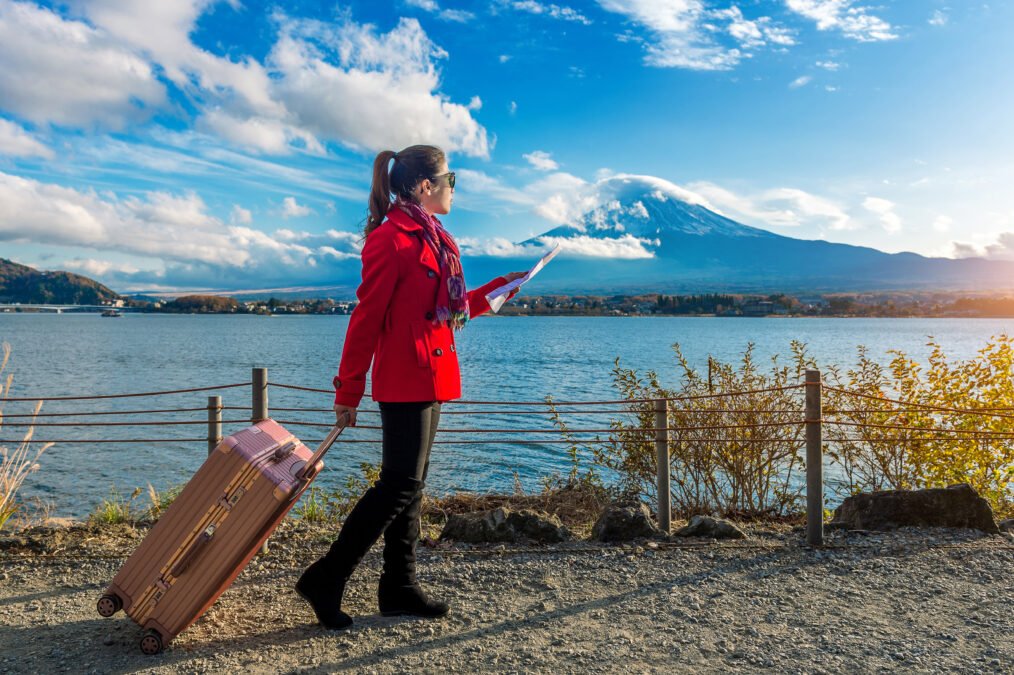
Japan consistently ranks among the best solo travel destinations for beginners, and for good reason. The country combines an extremely low crime rate with a famously efficient public transport system, clear signage in English in major cities, and a cultural norm around dining alone that removes the awkwardness solo travelers often feel elsewhere. Tokyo, Kyoto, and Osaka each offer distinct experiences within a single trip, and the predictability of trains running on schedule takes an enormous amount of stress out of solo logistics.
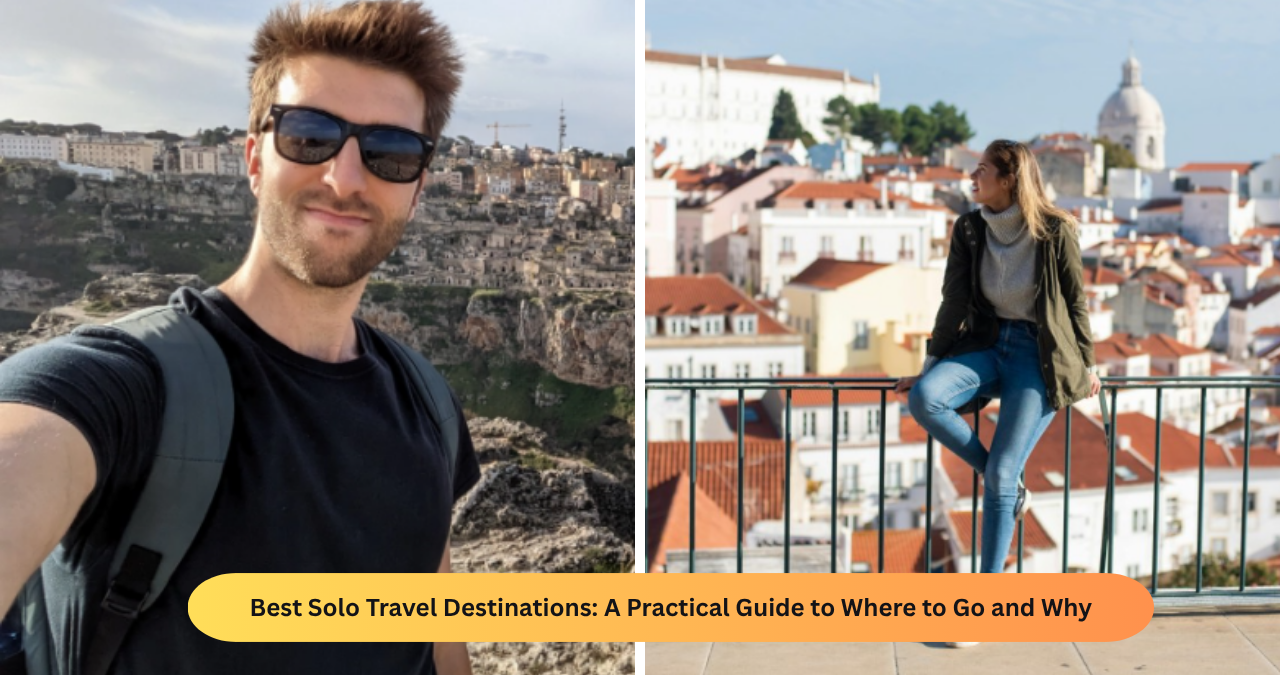
Portugal, particularly Lisbon and Porto, has become a favorite for similar reasons, layered with a warmer, more social culture than some of Northern Europe’s quieter destinations. English is widely spoken in tourist areas, the hostel scene is well established with organized pub crawls and day trips that make meeting people effortless, and the cost of living remains lower than most of Western Europe, which matters for longer solo trips. New Zealand rounds out this
-friendly tier for travelers craving nature over cities, thanks to its exceptionally low crime rate, well-marked hiking infrastructure, and a backpacker culture built around hostels with communal kitchens and organized group activities, which naturally solves the isolation problem that can affect solo travelers in more remote settings.
Destinations for Experienced Solo Travelers Seeking More Challenge
For travelers who’ve already built confidence navigating unfamiliar places alone, certain destinations offer a deeper, more immersive experience without sacrificing reasonable safety. Vietnam is a standout here — the transport infrastructure requires more patience than Japan’s, and language barriers are more pronounced, but the reward is a far more affordable, culturally rich experience with an enormous and well-established backpacker trail running from Hanoi to Ho Chi Minh City. This trail effectively functions as a built-in social network, since solo travelers following the same route tend to keep crossing paths.
Colombia has undergone a genuine transformation over the past fifteen years and now appears regularly among lists of the best solo travel destinations for travelers seeking Latin America without the more established tourist infrastructure of, say, Costa Rica. Cities like Medellín and Cartagena offer strong digital nomad and backpacker communities, decent public safety in tourist-frequented areas, and a level of cultural immersion that’s harder to find in more heavily touristed countries. The caveat, and it’s an important one, is that solo travelers in Colombia need more situational awareness than in Japan or New Zealand — this is a destination that rewards preparation rather than punishing spontaneity.
Comparing Popular Solo Travel Destinations
| Destination | Best For | Safety Level | Social Infrastructure | Approx. Daily Budget |
|---|---|---|---|---|
| Japan | First-time solo travelers, culture and food | Very high | Moderate (less spontaneous mingling culture) | $70–120 |
| Portugal | Social first trips, coastal cities | High | Strong hostel and nightlife scene | $50–90 |
| New Zealand | Nature, hiking, outdoor solo travel | Very high | Strong backpacker hostel network | $80–130 |
| Vietnam | Budget travel, backpacker trail | Moderate to high | Very strong, established trail | $25–45 |
| Colombia | Immersive culture, Latin America | Moderate | Strong in nomad hubs | $35–60 |
This kind of side-by-side comparison is useful precisely because “best” depends entirely on what a traveler values most. A retiree seeking a relaxed, low-stress first solo trip abroad has very different needs than a 25-year-old backpacker chasing an affordable six-month itinerary, even though both are technically searching for the best solo travel destinations for their situation.
Solving Common Solo Travel Problems Through Destination Choice
A lot of hesitation around solo travel comes down to a handful of recurring fears — loneliness, safety, and the logistical stress of navigating everything alone. Each of these has a destination-based solution rather than requiring some fundamental change in travel style. Loneliness is best solved by choosing destinations with strong hostel and communal dining cultures, since shared spaces naturally create low-pressure opportunities to meet people without the awkwardness of forcing conversation in a restaurant or bar. Safety concerns are best addressed by prioritizing destinations with strong public transport and low tourist-targeted crime, rather than simply avoiding travel altogether, since statistically the risks of solo travel are often overstated relative to everyday life at home.
Logistical stress, the third major concern, is largely solved by picking destinations with clear infrastructure — reliable transit, widely available English signage or translation apps, and predictable systems for things like taxis and accommodation booking. This is precisely why Japan and Portugal dominate so many best solo travel destinations lists for beginners: they remove friction at every stage of the trip, from arrival to daily navigation, which lets first-time solo travelers build confidence rather than spending their entire trip in survival mode. Once that foundational confidence is built, more logistically demanding destinations like Vietnam or Colombia become far more approachable, often even more rewarding specifically because they require more independent problem-solving.
Frequently Asked Questions
What are the best solo travel destinations for beginners?
Japan, Portugal, and New Zealand are consistently ranked among the best solo travel destination for beginners because they combine strong safety records with reliable public transport, widely spoken English or clear signage, and established social infrastructure like hostels and organized group activities. These factors reduce daily friction significantly, which matters most for travelers still building confidence navigating unfamiliar places alone.
Are the best solo travel destinations different for women?
Safety perception and comfort can differ meaningfully by gender, so many women traveling solo prioritize destinations with strong general safety records and visible respect for women in public spaces, which is part of why Japan, Portugal, and New Zealand also rank highly specifically for solo female travelers. That said, personal risk tolerance, travel experience, and specific city choices within a country matter just as much as the country-level reputation.
How much does solo travel typically cost in top destinations?
Costs vary enormously by region, with Southeast Asian destinations like Vietnam averaging $25 to $45 per day for a mid-range solo traveler, while destinations like Japan or New Zealand typically run $70 to $130 per day depending on accommodation and activity choices. Budget-friendly best solo travel destinations tend to cluster in Southeast Asia and parts of Latin America, while Western Europe, Japan, and Australia and New Zealand sit at the higher end of the spectrum.
How do I meet people while traveling solo?
Staying in social hostels with communal kitchens or lounges, joining free walking tours, and choosing destinations with an established backpacker trail are the most reliable ways to meet people without forcing interactions. This is exactly why social infrastructure is one of the defining criteria used to identify the best solo travel destinations, since a place can be perfectly safe and still leave solo travelers feeling isolated without these built-in opportunities to connect.
Is solo travel actually safe?
Statistically, solo travel to well-chosen destinations is considerably safer than many people assume, particularly when travelers stick to areas with strong tourist infrastructure and established safety records. The best solo travel destinations minimize risk not by being completely free of any danger, but by offering predictable transport systems, lower rates of tourist-targeted crime, and enough English-language or infrastructure support that navigating unfamiliar situations doesn’t become unnecessarily stressful.
Final Thoughts
Choosing among the best solo travel destinations comes down to matching a place’s strengths to what actually matters for the trip — safety, social infrastructure, ease of navigation, and budget — rather than simply picking whatever city trends on social media that month. Japan and Portugal remain outstanding starting points for first-time solo travelers, while destinations like Vietnam and Colombia reward those ready for a more immersive, independent experience. The real takeaway is that solo travel isn’t about finding one universally perfect place; it’s about understanding your own priorities well enough to recognize which of the best solo travel destinations actually fits the trip you’re trying to take.