
Life moves fast, and somewhere between work deadlines, family responsibilities, and endless notifications, many people forget one simple truth: joy needs room to breathe. That’s exactly where fun hobbies come in. They aren’t just a way to kill time—they’re a doorway to self-discovery, stress relief, and a richer, more balanced life.
Whether you’re stuck in a routine that feels stale or you’re simply curious about what else life has to offer, exploring fun hobbies can reshape how you experience your days. This article walks through practical, engaging, and genuinely enjoyable hobby ideas, why they matter for your wellbeing, and how to pick the ones that actually stick.
Why Fun Hobbies Matter More Than You Think
It’s easy to dismiss hobbies as a luxury reserved for people with “too much free time.” In reality, the opposite is true. People who intentionally carve out time for fun hobbies often report lower stress levels, improved focus at work, and a stronger sense of identity outside their job titles. Psychologists have long pointed out that engaging in activities purely for enjoyment—without the pressure of productivity—helps regulate the nervous system and combat burnout.
Think about the last time you lost track of time doing something you loved. Maybe it was sketching, hiking, or tinkering with an old bicycle. That state, often called “flow,” is one of the most reliable paths to genuine happiness. Fun hobbies create space for flow to happen naturally, without forcing it. Unlike scrolling through social media, which often leaves people feeling more drained, hobbies actively recharge mental energy because they engage curiosity, creativity, and skill-building simultaneously.
Creative Hobbies That Spark Imagination
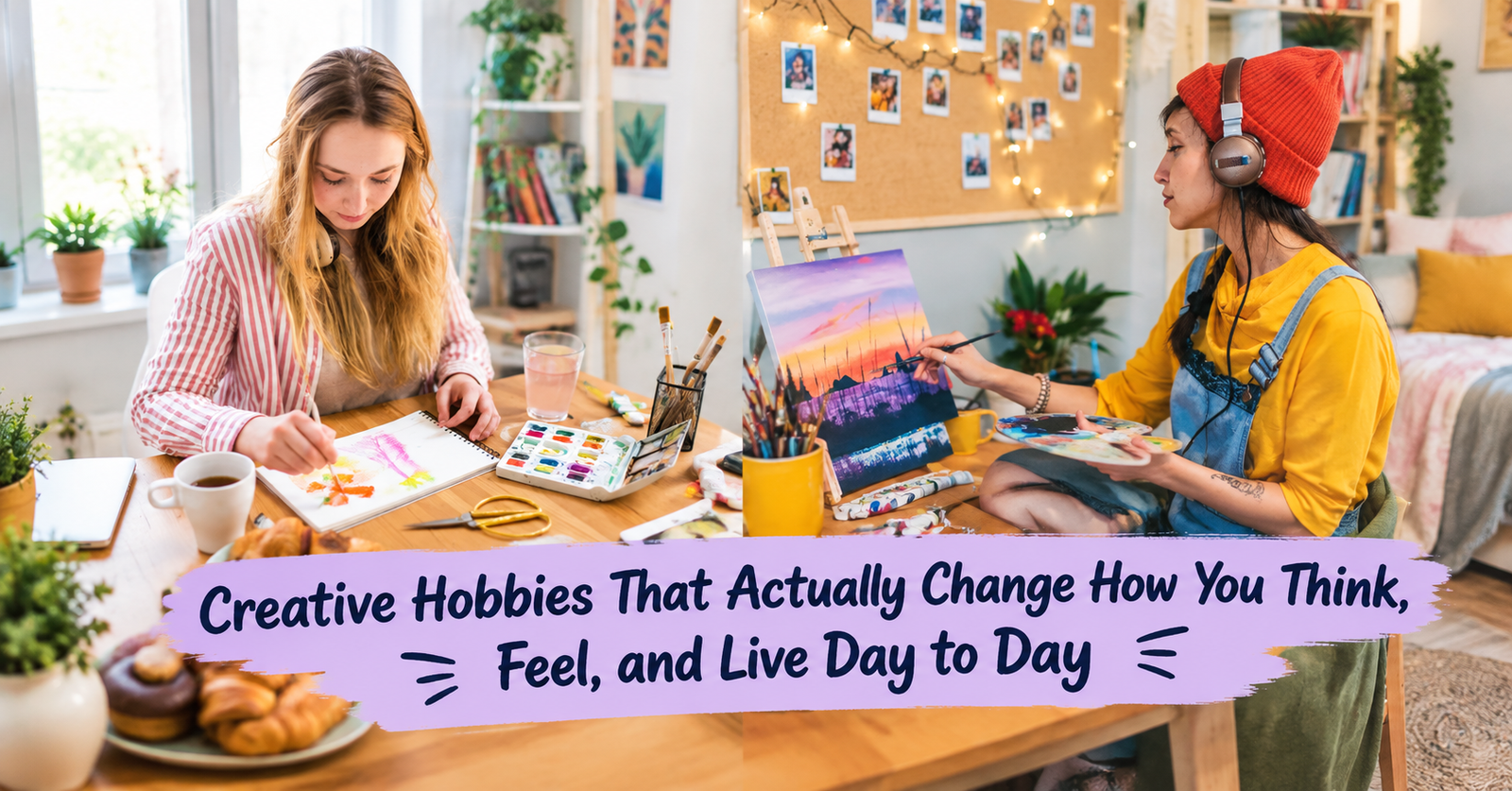
Creative outlets are some of the most rewarding fun hobbies because they give shape to thoughts and emotions that are otherwise hard to express. Painting, drawing, and digital illustration allow people to process feelings visually, while writing—whether journaling, poetry, or short fiction—offers a similar release through words. What makes these hobbies so effective is that there’s no “wrong” way to do them. A messy sketch or an unpolished poem still counts as meaningful creative expression.
Music is another powerful creative hobby. Learning an instrument, even informally, has been shown to improve memory and cognitive flexibility. You don’t need to become a concert pianist; simply strumming a few chords on a guitar after a long day can shift your mood dramatically. As one amateur guitarist once put it, “I’m terrible at it, and that’s precisely why I love it—there’s no pressure, just sound and time passing.” That mindset captures the heart of creative fun hobbies: progress matters less than presence.
Outdoor and Physical Hobbies for Body and Mind
Fun hobbies don’t have to be sedentary. In fact, some of the most fulfilling ones get you moving. Hiking, cycling, gardening, and even birdwatching combine physical activity with mental relaxation, creating a two-for-one wellness boost. Spending time outdoors has been consistently linked to lower cortisol levels, better sleep, and improved mood—benefits that indoor hobbies simply can’t replicate in the same way.
Gardening deserves special mention here. It’s a hobby that rewards patience and offers a tangible sense of accomplishment, whether you’re growing tomatoes on a balcony or maintaining a full backyard plot. Unlike many modern activities that offer instant gratification, gardening teaches a slower rhythm of cause and effect. Similarly, hobbies like trail running or rock climbing challenge the body while quieting the mind, making them ideal for people who find sitting still difficult when trying to relax.
Social Hobbies That Build Connection
Not all fun hobbies need to be solitary. Some of the most memorable ones happen in groups—book clubs, dance classes, board game nights, or community sports leagues. These social hobbies do double duty: they provide enjoyment while also satisfying a deep human need for connection and belonging.
Board games, in particular, have seen a massive resurgence in popularity, and it’s easy to see why. They combine strategy, laughter, and face-to-face interaction in a world increasingly dominated by screens. Dance classes offer a similar blend of physical activity and social bonding, often introducing people to communities they wouldn’t have found otherwise. A local salsa instructor once shared, “People come for the steps, but they stay for the friendships.” That sentiment reflects a broader truth: fun hobbies pursued alongside others often become the glue that holds new friendships together.
Practical and Skill-Based Hobbies
For those who enjoy tangible results, skill-based hobbies like woodworking, cooking, baking, or DIY home projects offer a satisfying blend of creativity and function. These hobbies appeal to people who like seeing a project through from start to finish, whether that’s a handcrafted shelf or a homemade sourdough loaf.
Cooking and baking, in particular, are among the most accessible fun hobbies because everyone eats, which means there’s built-in motivation to keep practicing. Beyond the practical benefit, experimenting with new recipes stimulates creativity and introduces variety into daily routines. Woodworking and similar craft-based hobbies, meanwhile, teach patience and precision, offering a refreshing contrast to the fast-paced, digital nature of most modern jobs. The satisfaction of holding a finished product you built yourself is difficult to replicate through any other kind of leisure activity.

Digital and Tech-Based Hobbies
Not every rewarding hobby needs to unplug you from technology. Photography, video editing, coding personal projects, and even game design have become legitimate and deeply engaging fun hobbies for millions of people. These activities merge creativity with problem-solving, often leading to skills that translate directly into career opportunities.
Photography, for instance, encourages people to notice details in their environment they’d otherwise overlook—the way light falls on a building, or the texture of tree bark. It transforms an ordinary walk into an exercise in observation. Similarly, hobbyist coding or building small apps allows people to bring ideas to life without needing a formal tech background. The rise of accessible tools and tutorials has made these digital hobbies more approachable than ever, proving that fun hobbies can thrive just as easily on a screen as they can outdoors.
How to Choose the Right Hobby for You
With so many options available, choosing among fun hobbies can feel overwhelming. The key is to start by reflecting on what naturally draws your attention. Do you find yourself watching cooking videos for hours? That’s a signal. Do you feel calm surrounded by plants or nature documentaries? That’s another clue pointing toward a hobby worth exploring.
It also helps to consider your current lifestyle constraints—time, budget, and energy levels. Someone with a demanding job might prefer low-effort hobbies like reading or puzzles, while someone craving more social interaction might benefit from joining a local club or class. The table below breaks down popular categories of fun hobbies based on time commitment and primary benefit, making it easier to match a hobby to your current season of life.
| Hobby Category | Example Activities | Time Commitment | Primary Benefit |
|---|---|---|---|
| Creative | Painting, writing, music | Flexible | Emotional expression |
| Outdoor | Hiking, gardening, cycling | Moderate to high | Physical health |
| Social | Board games, dance, clubs | Moderate | Connection and belonging |
| Skill-based | Cooking, woodworking, DIY | Moderate | Sense of accomplishment |
| Digital | Photography, coding, gaming | Flexible | Creativity and problem-solving |
Overcoming Common Barriers to Starting a Hobby
One of the most common reasons people avoid fun hobbies is the belief that they need to be good at something before they’re allowed to enjoy it. This mindset creates unnecessary pressure and often stops people before they even begin. The truth is that competence comes after consistent practice, not before it, and the earliest stages of any hobby are meant to be clumsy and imperfect.
Another common barrier is time scarcity. Many people assume hobbies require large blocks of free time, when in reality, even fifteen minutes a day can be enough to build a meaningful habit. Micro-sessions of journaling, sketching, or stretching can accumulate into real skill development over weeks and months. The solution isn’t finding more hours in the day—it’s redefining what counts as “enough time” to engage in something enjoyable.
The Long-Term Impact of Having Fun Hobbies
People who maintain fun hobbies over the years often describe them as anchors during difficult life transitions—job changes, relocations, or periods of grief. Because hobbies exist outside professional obligations, they offer a stable source of identity and joy that doesn’t depend on external validation or career success.
Over time, hobbies can also open unexpected doors. A casual interest in photography might turn into freelance work. A hobbyist gardener might start a small local business selling herbs. While these outcomes shouldn’t be the primary motivation for picking up a hobby, they illustrate how fun hobbies, pursued consistently and joyfully, can ripple outward into other areas of life in ways that are difficult to predict at the outset.
Frequently Asked Questions
What are some easy fun hobbies for beginners?
Beginners often do well starting with low-pressure fun hobbies like journaling, drawing, walking, or simple cooking projects. These activities require minimal equipment and allow for gradual skill-building without the intimidation factor that comes with more specialized hobbies like woodworking or instrument playing.
How do fun hobbies improve mental health?
Fun hobbies improve mental health by providing a structured outlet for stress relief, encouraging mindfulness, and creating opportunities for accomplishment outside of work or academic pressures. Engaging in enjoyable activities regularly has been linked to lower anxiety levels and improved overall life satisfaction.
Can fun hobbies help with making new friends?
Yes, social hobbies such as group fitness classes, book clubs, and team sports are excellent ways to meet people with shared interests. Because the activity itself provides a natural conversation starter, forming friendships through hobbies often feels more organic than traditional networking settings.
How much time should I dedicate to a hobby each week?
There’s no universal rule, but even two to three short sessions per week—totaling as little as thirty minutes to an hour—can be enough to experience the benefits of fun hobbies. Consistency matters more than duration, especially in the early stages of building the habit.
What if I lose interest in a hobby after starting it?
Losing interest is normal and doesn’t mean you’ve failed. Many people cycle through several fun hobbies before finding ones that truly resonate with their personality and lifestyle. Treat early attempts as exploration rather than commitment, and allow yourself permission to pivot toward something else without guilt.
Final Thoughts on Embracing Fun Hobbies
At the end of the day, fun hobbies are less about the specific activity and more about reclaiming a sense of play, curiosity, and presence in everyday life. Whether it’s painting, hiking, cooking, or coding, the value lies in the consistent, joyful engagement rather than perfection or productivity.
The best way to start is simply to start—pick one activity that genuinely interests you, give it room to be imperfect, and let it grow naturally over time. In a world that constantly demands output and achievement, fun hobbies offer something increasingly rare: permission to enjoy something purely for its own sake.