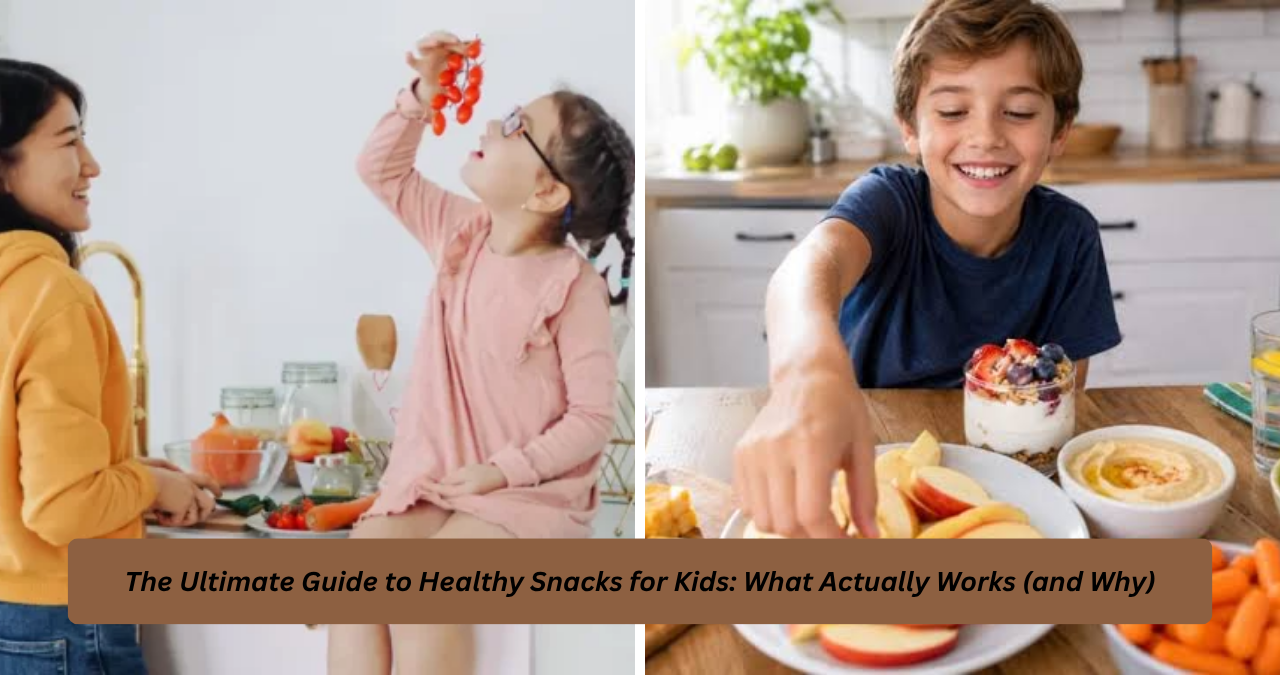
If you’ve ever stood in front of an open pantry at 3:47 p.m., staring down a hungry, slightly cranky child while trying to figure out what counts as a “good” snack, you’re not alone. Snack time trips up even the most organized parents, and for good reason — kids’ bodies burn through energy fast, their stomachs are small, and their taste buds are, let’s be honest, unpredictable. Finding healthy snacks for kids that are both nutritious and something they’ll actually eat is less about willpower and more about strategy.
This guide pulls together nutritional science, practical parenting experience, and real-world testing to help you build a snack routine that supports growth, concentration, and long-term eating habits. We’ll cover what makes a snack genuinely healthy, how to handle picky eaters, smart swaps for classic junk food, and a few dietitian-approved combinations that hold up even on the busiest weeknights.
Why Healthy Snacks for Kids Matter More Than You Think
Snacking isn’t just filler between meals — for growing children, it’s often where a significant chunk of daily nutrition comes from. Pediatric nutritionists frequently point out that kids have smaller stomach capacities relative to their energy needs, which means three meals a day usually aren’t enough to sustain them. Healthy snacks for kids fill that gap, delivering steady blood sugar, sustained energy, and key micronutrients like iron, calcium, and fiber that growing bodies rely on.
There’s also a cognitive angle that doesn’t get enough attention. Registered dietitian Lauren Manaker has noted, “What a child eats between lunch and dinner can noticeably shape their mood and attention span for the rest of the afternoon.” That tracks with what many parents and teachers observe firsthand: a kid who snacks on refined sugar around 2 p.m. often crashes by 3, while one who snacks on protein and fiber tends to stay level through homework time and evening activities. Choosing healthy snacks for kids isn’t about being restrictive — it’s about giving their developing brains and bodies the fuel they’re actually built to run on.
What Makes a Snack “Healthy” for a Child, Exactly?
This is where a lot of well-meaning guidance gets vague, so let’s get specific. A genuinely healthy snack for a child typically combines at least two of the following: fiber, protein, healthy fat, or a whole food source of vitamins and minerals. A single component — like a plain cracker or a fruit snack made mostly of sugar and food coloring — doesn’t hold up nutritionally on its own, even if the packaging says “made with real fruit.”
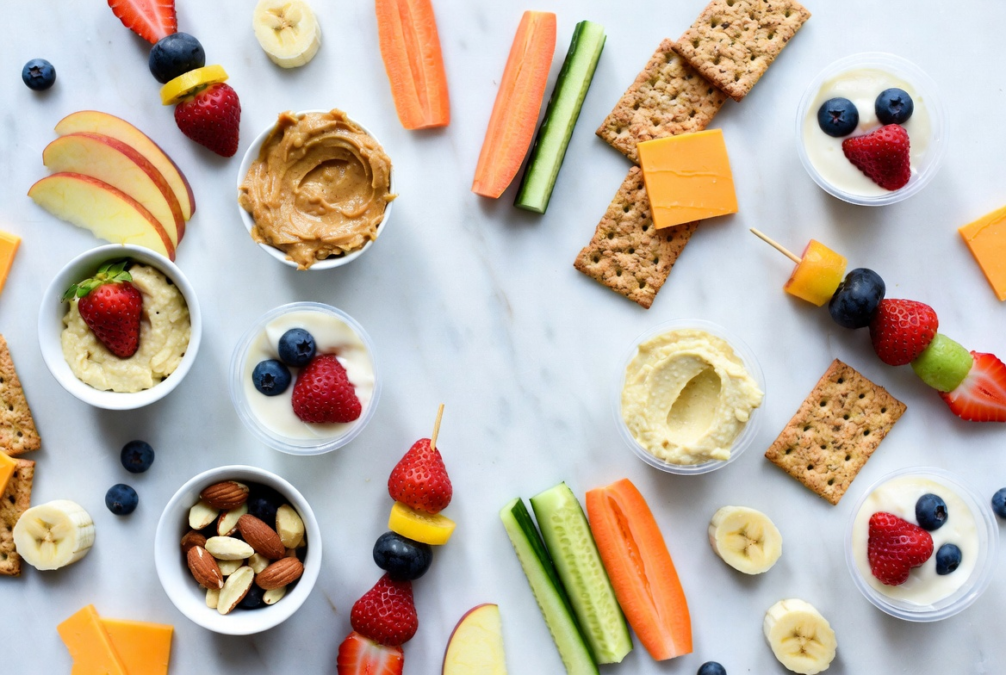
Portion size matters just as much as ingredients. A snack for a five-year-old shouldn’t look like a scaled-down adult portion; it should be roughly 100–200 calories with enough substance to curb hunger without spoiling the next meal. Think of it less as “mini-meal” and more as a bridge. A good mental model: pair a carbohydrate (for quick energy) with a protein or fat (for staying power). Apple slices with peanut butter, whole-grain crackers with cheese, or yogurt with berries all follow this pattern, and it’s a large part of why nutritionists keep recommending the same handful of combinations across different sources — they simply work with children’s physiology.
The Problem With Most Store-Bought “Kid Snacks”
Walk down any snack aisle and you’ll see a wall of products marketed directly at kids, wrapped in cartoon characters and bold claims like “made with whole grains” or “a good source of vitamin C.” The problem is that many of these products are engineered primarily for shelf life and palatability, not nutrition. Added sugars, refined flours, and sodium are common, even in products positioned as healthy.
This is a classic case of a marketing problem masquerading as a nutrition problem. Parents aren’t failing to choose healthy snacks for kids because they don’t care — they’re navigating labels specifically designed to look healthier than they are. The solution isn’t to swear off packaged food entirely (that’s unrealistic for most households), but to get comfortable reading ingredient lists rather than front-of-package claims. If sugar, corn syrup, or a sugar derivative appears in the first three ingredients, that’s a signal to look further down the list before committing to it as a regular option.
Smart, Simple Healthy Snacks for Kids by Age Group
Nutritional needs and choking risks shift significantly as kids grow, so a one-size-fits-all snack list doesn’t really serve families well. Toddlers need soft, easily manageable textures and smaller pieces, while older children can handle more fibrous, crunchy, or complex foods and often want more flavor variety and independence in choosing what they eat.
For toddlers (ages 1–3), safe and nutrient-dense options include mashed avocado on soft toast, steamed vegetable sticks, small pieces of cheese, and yogurt with mashed banana. For school-age kids (ages 6–12), you can introduce more texture and combination snacks: trail mix with dried fruit and seeds, whole-grain toast with nut or seed butter, homemade granola bars, or veggie sticks with hummus. Teenagers, who often need more calories and are more likely to snack independently, do well with protein-forward options like Greek yogurt parfaits, hard-boiled eggs, or homemade smoothies packed with fruit, oats, and milk or a dairy alternative.
Healthy Snack Comparison Table
| Snack | Age Suitability | Key Nutrients | Prep Time | Kid Appeal |
|---|---|---|---|---|
| Apple slices with peanut butter | 4+ (choking risk under 4) | Fiber, protein, healthy fat | 2 minutes | High |
| Greek yogurt with berries | 1+ | Protein, calcium, antioxidants | 3 minutes | High |
| Whole-grain crackers with cheese | 2+ | Fiber, calcium, protein | 2 minutes | High |
| Veggie sticks with hummus | 2+ | Fiber, plant protein, vitamins | 5 minutes | Medium |
| Homemade trail mix | 4+ (choking risk under 4) | Healthy fats, fiber, iron | 5 minutes | Medium-High |
| Hard-boiled eggs | 1+ | Protein, choline, vitamin D | 10 minutes (batch) | Medium |
| Smoothie (fruit + oats + milk) | 1+ | Fiber, protein, vitamins | 5 minutes | High |
This kind of side-by-side comparison is genuinely useful because it highlights something parents often miss: prep time and kid appeal matter just as much as nutrient density. A perfectly balanced snack that takes twenty minutes to prepare or that your child refuses to eat isn’t actually a workable solution on a Tuesday afternoon. The best healthy snacks for kids tend to sit in that sweet spot of quick, nutrient-dense, and genuinely appealing to a child’s palate.
Handling Picky Eaters Without the Nightly Battle
Picky eating is developmentally normal, especially between ages two and six, and it’s one of the most common reasons parents feel like they’re failing at offering healthy snacks for kids. Food neophobia — a natural wariness of new foods — peaks during toddlerhood as a built-in survival mechanism, not a personality flaw or a parenting failure. Understanding this reframes the whole situation: your child isn’t being difficult on purpose, their brain is doing exactly what evolution designed it to do.
The most effective strategy, according to feeding specialists, is repeated, low-pressure exposure rather than bribery or forced bites. Pediatric feeding therapist Melanie Potock has explained that it can take a child eight to fifteen exposures to a new food before they accept it, and that pressure to eat often backfires by creating negative associations. In practice, this means putting a small piece of a new vegetable or fruit on the plate alongside familiar favorites, without commentary or pressure, and simply repeating this over weeks. Pairing new foods with dips, familiar shapes, or letting kids help prepare the snack themselves — even something as simple as arranging apple slices on a plate — significantly increases the odds they’ll actually try it.
Easy Homemade Healthy Snack Recipes Parents Actually Use
Store-bought convenience has its place, but homemade snacks let you control sugar, sodium, and ingredient quality directly, and they’re often cheaper per serving than packaged alternatives. A few recipes come up again and again in parenting and nutrition communities because they’re fast, kid-tested, and genuinely nutritious.
Energy bites made from oats, nut butter, honey, and mini chocolate chips rolled into bite-sized balls are a favorite because they require no baking and store well in the fridge for a week. Homemade fruit leather, made by pureeing fruit and dehydrating thin layers, avoids the added sugar found in most store-bought versions while still delivering that chewy, candy-like texture kids love. Banana oat muffins, sweetened primarily with mashed banana instead of refined sugar, are another reliable option that works for breakfast, snack time, or even a post-practice refuel. These recipes share a common thread: they take a food kids already like and quietly improve its nutritional profile without changing the format or flavor kids expect.
Balancing Convenience and Nutrition on Busy Days
Not every day allows for from-scratch snack prep, and pretending otherwise sets parents up for guilt rather than good habits. The realistic goal isn’t perfection — it’s building a rotation where the majority of healthy snacks for kids in your house require minimal effort, so that on hectic days you’re reaching for something solid by default rather than scrambling.
Batch prep is the single most effective tool here. Washing and cutting a week’s worth of vegetables on Sunday, boiling a dozen eggs at once, or portioning trail mix into small containers turns “healthy snack” into a grab-and-go option rather than a from-scratch project every single afternoon. Keeping a designated “snack shelf” in the fridge and pantry at kid height also matters more than people expect — when healthy options are visible and accessible, kids reach for them independently far more often than when they’re buried behind less nutritious choices or out of reach entirely.
Common Mistakes Parents Make With Kids’ Snacks
Even parents who are actively trying to prioritize healthy snacks for kids run into a few recurring pitfalls. The first is treating “natural” or “organic” labeling as synonymous with low sugar — a granola bar can be organic and still contain more added sugar than a cookie. The second is offering snacks too close to mealtimes, which blunts a child’s appetite and can make dinner feel like a fight over three bites of broccoli.
A third, subtler mistake is using snacks as an emotional regulation tool — offering a cookie every time a child is upset trains an association between food and mood management that can follow them into adulthood. This doesn’t mean snacks can never be comforting, but it’s worth being intentional about when and why they’re offered. Finally, many parents underestimate how much modeling matters: kids are significantly more likely to reach for healthy snacks for kids’ options like fruit and vegetables when they consistently see adults in the household doing the same.
FAQ: Healthy Snacks for Kids
What are the best healthy snacks for kids to take to school?
Snacks that travel well without needing refrigeration tend to work best for school, such as whole-grain crackers with cheese sticks, homemade trail mix without allergens restricted by the school, whole fruit like apples or oranges, and homemade granola bars. It’s worth checking your child’s school policy on nut products before packing anything with peanut or tree nut butter, since many schools restrict these due to allergy concerns.
How many snacks should a child have per day?
Most children benefit from two structured snacks per day — one mid-morning and one mid-afternoon — spaced roughly two to three hours away from main meals so appetite for dinner and other meals isn’t affected. Toddlers and very active kids may need a third small snack, while older, less active children may do fine with just one, depending on their individual hunger cues and activity level.
How can I get my picky eater to try healthy snacks?
Consistent, pressure-free exposure works better than bribery or forcing bites, since it can genuinely take a dozen or more tries before a child accepts a new food. Involving kids in preparation, offering new foods alongside familiar favorites, and avoiding negative commentary about their reactions all increase the likelihood that healthy snacks for kids will eventually become accepted staples rather than daily battles.
Are packaged fruit snacks a healthy choice?
Most packaged fruit snacks are primarily sugar and gelatin with a small amount of fruit concentrate added for flavor, so they don’t offer meaningful nutritional value despite fruit-forward branding and packaging. Whole fruit, frozen fruit, or unsweetened dried fruit in moderation are far better alternatives that still satisfy a child’s craving for something sweet.
What snacks help kids concentrate better at school or during homework?
Snacks combining protein, fiber, and healthy fats — like apple slices with nut butter, cheese with whole-grain crackers, or a small handful of nuts and dried fruit — tend to support more stable blood sugar and sustained focus than snacks high in refined sugar. This is part of why many pediatric nutritionists recommend building healthy snacks for kids around this protein-fiber-fat combination specifically for after-school and homework windows.
Can healthy snacks help with picky eating long-term?
Yes — repeated, low-pressure exposure to a variety of healthy snacks for kids gradually expands a child’s accepted food list over months and years, even if progress feels slow week to week. Nutrition researchers generally agree that early, consistent exposure to diverse foods during snack time is one of the strongest predictors of a more varied and balanced diet later in childhood and adolescence.
Final Thoughts: Making Healthy Snacking a Habit, Not a Chore
Building a routine around healthy snacks for kids doesn’t require a nutrition degree or a perfectly stocked pantry — it requires a handful of reliable, kid-tested options, a bit of batch prep, and realistic expectations about picky eating and busy schedules. The families who succeed at this long-term aren’t the ones with the most rigid rules; they’re the ones who make the healthy choice the easy choice, whether that’s pre-cut vegetables at eye level in the fridge or a jar of homemade trail mix on the counter.
The bigger picture matters too. Snack time is one of the few places in a child’s day where small, repeated decisions genuinely shape long-term habits around food, energy, and self-regulation. Getting it mostly right, most of the time, is a far more achievable and sustainable goal than aiming for perfection — and it’s more than enough to give your child the steady fuel their growing body and busy mind actually need.