Figuring out the best time to visit Japan is one of those questions that sounds simple until you actually start digging into it. Ask five different travelers and you’ll likely get five different answers — one swears by cherry blossom season, another insists autumn foliage is unbeatable, and a budget-conscious backpacker will tell you summer’s humidity is a small price to pay for cheaper flights. The truth is there isn’t a single universally “best” time, but there is absolutely a best time for your specific priorities, whether that’s weather, cost, crowd levels, or a particular seasonal event you’ve had on your bucket list.
This guide breaks down Japan’s four distinct seasons in detail, along with regional variations, festival timing, and practical trade-offs like pricing and crowd density. Having spent time researching and cross-referencing meteorological data, tourism board reports, and firsthand travel accounts, the goal here is to give you a genuinely useful, decision-ready breakdown rather than another generic “spring and fall are nice” summary. By the end, you’ll be able to pinpoint the best time to visit Japan based on what actually matters to you.
Spring in Japan: Cherry Blossoms and Peak Tourism
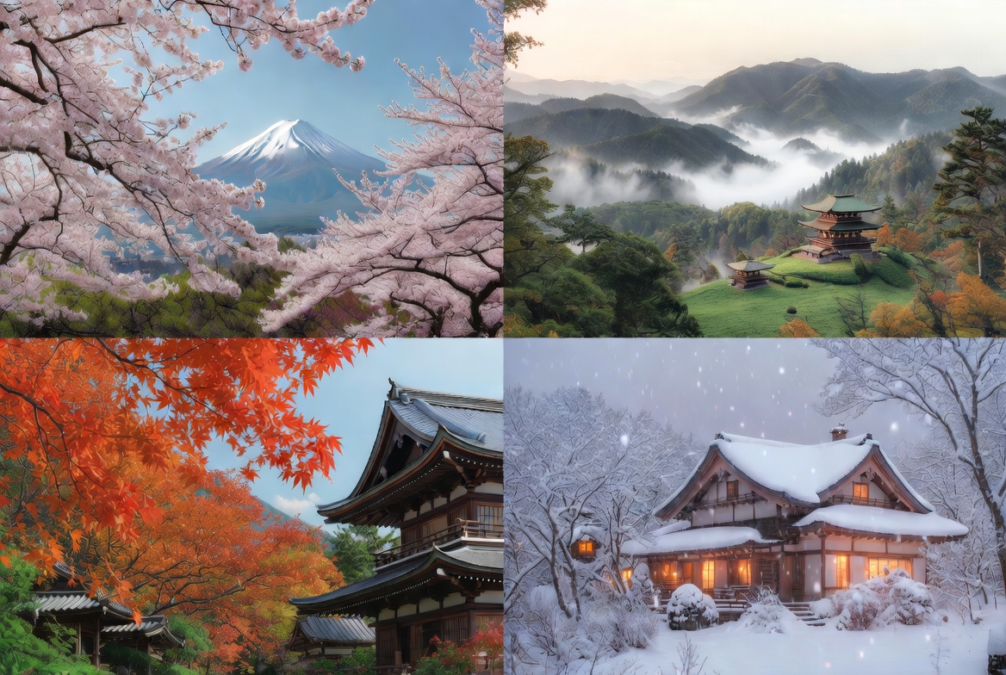
Spring, particularly late March through early April, is widely considered the best time to visit Japan if cherry blossoms (sakura) are the priority. The blossoms typically bloom for just one to two weeks, and the exact timing shifts slightly each year based on temperature patterns, which means travelers often watch the Japan Meteorological Corporation’s sakura forecast closely in the months leading up to their trip. Tokyo and Kyoto usually see peak bloom in late March to early April, while northern regions like Hokkaii bloom weeks later, giving planners some flexibility if their travel dates are fixed.
That said, spring comes with real trade-offs worth understanding before you book. Hotel prices in Kyoto and Tokyo can spike thirty to fifty percent above baseline during peak bloom weeks, and popular viewing spots like Maruyama Park or the Philosopher’s Path get genuinely crowded, sometimes to the point where enjoying a quiet moment
under the blossoms feels impossible. Travel writer Craig Mod, who has spent years walking and documenting rural Japan, has noted that “the real magic of sakura season often happens away from the famous parks, in small neighborhood streets where a single blooming tree draws no crowd at all.” That’s a useful reframe for anyone chasing the best time to visit Japan purely for cherry blossoms — sometimes the better experience is a few train stops away from the postcard locations.
Summer in Japan: Festivals, Heat, and Humidity
Summer in Japan, running roughly June through August, is a season of extremes. June brings the rainy season (tsuyu) to most of the country, followed by intense heat and humidity in July and August that can make sightseeing genuinely uncomfortable, especially in cities like Osaka and Tokyo where humidity regularly sits above seventy percent. For travelers sensitive to heat, this is rarely considered the best time to visit Japan from a comfort standpoint, and it’s worth factoring in if your itinerary involves a lot of walking or outdoor activities.
Despite the climate challenges, summer has a strong case for travelers prioritizing culture and events over comfort. This is peak festival season, with major events like the Gion Matsuri in Kyoto, Tenjin Matsuri in Osaka, and countless local fireworks festivals (hanabi taikai) drawing huge, energetic crowds throughout July and August. Mountainous and northern regions offer a genuine escape from the heat — Hokkaido’s summer temperatures rarely climb uncomfortably high, and the Japanese Alps provide cooler hiking conditions even in peak summer. If your idea of the best time to visit Japan includes immersive festival culture and you’re willing to trade comfort for atmosphere, summer delivers experiences you simply won’t find in quieter seasons.
Autumn in Japan: Fall Foliage and Comfortable Weather
Autumn, spanning roughly October through late November, is frequently cited by seasoned travelers and tourism experts alike as the best time to visit Japan overall, and the reasoning holds up under scrutiny. Temperatures are mild and comfortable across most of the country, humidity drops significantly from summer levels, and the koyo (autumn foliage) transforms parks, temples, and mountainsides into deep reds and golds that rival, and arguably surpass, the visual drama of cherry blossom season.
The practical advantages extend beyond aesthetics. Autumn generally sees fewer tourists than the frenzy of peak spring, meaning shorter lines at major attractions like Fushimi Inari Shrine or Nikko’s temple complexes, along with more reasonable hotel pricing outside of specific foliage peak weeks. Regional timing varies considerably — Hokkaido’s foliage typically peaks in mid-to-late October, while Kyoto and Tokyo peak in mid-to-late November, so travelers can
chase the colors across the country if their schedule allows. This rolling foliage window is part of why so many repeat visitors specifically plan around autumn when asked about the best time to visit Japan; it offers a rare combination of comfortable weather, stunning scenery, and manageable crowd levels that spring often can’t match.
Winter in Japan: Snow, Skiing, and Low Season Value
Winter, from December through February, doesn’t get nearly as much attention in general travel advice, but it’s genuinely the best time to visit Japan for specific traveler profiles — particularly those interested in skiing, hot springs, or simply avoiding crowds and high prices. Hokkaido’s powder snow, especially around Niseko, draws skiers and snowboarders from around the world and is frequently ranked among the best snow conditions globally due to its consistency and dry powder quality.
Beyond winter sports, this season offers some of the best value of the entire year. Flight and hotel prices in major cities like Tokyo and Osaka often drop noticeably outside of the New Year holiday period, and popular attractions that feel overwhelming in spring or autumn become genuinely peaceful. There’s also something distinctly memorable about visiting an onsen (hot spring) surrounded by snow, watching Japanese macaques bathe in hot springs at Jigokudani Monkey Park, or seeing Kyoto’s temples dusted in snow with almost no other visitors around. For budget-conscious travelers or anyone who prioritizes solitude over festival crowds, winter deserves far more consideration when weighing the best time to visit Japan than most travel guides give it credit for.
Seasonal Comparison Table
| Season | Weather | Crowd Level | Price Range | Best For |
|---|---|---|---|---|
| Spring (Mar–Apr) | Mild, occasional rain | Very High | High | Cherry blossoms, first-time visitors |
| Summer (Jun–Aug) | Hot, humid, rainy start | High | Moderate-High | Festivals, fireworks, mountain escapes |
| Autumn (Oct–Nov) | Mild, dry, comfortable | Moderate | Moderate | Fall foliage, balanced experience |
| Winter (Dec–Feb) | Cold, snowy in north | Low | Low-Moderate | Skiing, onsen, budget travel, solitude |
This kind of comparison matters because the “best” label shifts entirely depending on which column you weight most heavily. A traveler optimizing purely for cost and crowd avoidance will land on a completely different answer than someone chasing a specific festival or bloom window, and that’s exactly why generic advice about the best time to visit Japan tends to fall short — it rarely accounts for what an individual traveler actually values most.
Regional Differences Worth Planning Around
Japan stretches from the subarctic climate of Hokkaido in the north to the subtropical climate of Okinawa in the south, and this geographic spread means the best time to visit Japan can vary dramatically depending on which region you’re prioritizing. Okinawa, for instance, has a beach season that extends well into October, with warm ocean temperatures that make it a viable tropical getaway even when mainland Japan is cooling into autumn.
This regional variation solves a common planning problem: travelers often assume Japan operates on one unified seasonal calendar, then get frustrated when their “spring cherry blossom trip” coincides with lingering cold in Hokkaido or their “winter ski trip” timing doesn’t align with snow conditions in Honshu’s mountains. Understanding that Japan is less a single climate zone and more a chain of distinct microclimates helps travelers build itineraries that actually match regional realities, rather than applying a generic national forecast to a country that spans over 3,000 kilometers north to south.
How to Choose the Right Time Based on Your Travel Goals
Rather than searching for one objectively best time to visit Japan, it’s far more useful to work backward from your specific goals. If cherry blossoms or fall foliage are non-negotiable, you’ll need to accept higher prices and larger crowds as the trade-off for that specific visual payoff. If budget and solitude matter more than seasonal spectacle, winter, particularly outside the New Year holidays, quietly outperforms every other season on value.
Travel consultant and Japan specialist Sarah Han, who has guided dozens of first-time visitors through itinerary planning, put it well: “Most people ask me for the best month, but the better question is what experience they’re actually chasing — because Japan rewards specificity far more than it rewards a generic ‘good weather’ trip.” That advice holds up well in practice. A traveler chasing hiking and mountain scenery should look at early autumn or late spring, while someone focused purely on cultural festivals should map their trip against summer’s matsuri calendar rather than defaulting to the commonly cited spring or fall windows.
FAQ: Best Time to Visit Japan
What is the overall best time to visit Japan for first-time travelers?
For most first-time visitors, autumn (October through November) is often considered the best time to visit Japan because it combines comfortable weather, manageable crowds, and stunning fall foliage without the extreme pricing and congestion of peak cherry blossom season. It offers a well-rounded introduction to the country’s culture, food, and scenery without requiring travelers to endure summer humidity or winter cold.
Is spring or autumn better for visiting Japan?
Both seasons offer strong visual appeal, but autumn generally edges out spring for practicality, since fall foliage viewing windows tend to be longer than the brief one-to-two-week cherry blossom bloom, and autumn crowds and hotel prices are typically lower than spring’s peak sakura season. Spring still wins decisively for travelers whose primary goal is specifically experiencing cherry blossoms, since nothing else fully replicates that particular seasonal spectacle.
What is the cheapest time to visit Japan?
Winter, excluding the New Year holiday period, is generally the cheapest time to visit Japan, with lower flight and hotel prices across most major cities compared to spring and autumn peak seasons. Late January through February tends to offer the best combination of low prices and manageable weather outside of ski resort areas, making it a strong choice for budget-focused travelers.
When should I visit Japan to avoid crowds?
Winter, particularly January and February outside the New Year holidays, sees noticeably fewer tourists than any other season, making it the best time to visit Japan if avoiding crowds is your top priority. Early spring before cherry blossoms fully bloom and late autumn after peak foliage has passed can also offer a reasonable middle ground between weather comfort and crowd avoidance.
Does the best time to visit Japan differ by region?
Yes, significantly — Japan’s geography spans subarctic Hokkaido to subtropical Okinawa, so the best time to visit Japan for cherry blossoms, snow, or beach weather shifts considerably depending on which region you’re traveling to. Travelers focused on a specific region should check regional seasonal calendars rather than relying on generalized national advice, since a single “best month” rarely applies uniformly across the entire country.
Final Thoughts on Choosing the Best Time to Visit Japan
There’s no single correct answer to when you should book your trip, and honestly, that’s good news — it means the best time to visit Japan is really about matching the season to what you personally want out of the experience. Spring delivers unforgettable cherry blossoms at the cost of crowds and higher prices, summer offers vibrant festival culture despite challenging heat, autumn provides arguably the most balanced overall experience, and winter rewards budget-conscious and solitude-seeking travelers with snow, skiing, and noticeably quieter attractions.
The real takeaway is to stop searching for a universal answer and start planning around your specific priorities, whether that’s a particular festival, a foliage window, or simply the lowest possible price point. Once you approach the question that way, choosing the best time to visit Japan stops feeling like guesswork and starts feeling like a genuinely informed decision tailored to the trip you actually want to take.