There’s a particular kind of magic in sitting down alone with a controller, a story waiting to unfold, and nobody else’s schedule to coordinate around. That’s the appeal of the best single player games — they’re built for immersion, not coordination. No lag from a squad, no voice chat drama, just you and a world designed to be explored at your own pace. Whether you’re a longtime RPG fan, someone who just wants a weekend of stealth-action fun, or a parent trying to squeeze in twenty minutes of gaming after the kids are asleep, single player titles remain the backbone of what makes gaming personal.
This guide isn’t a random list scraped together from trending searches. It’s built from years of actually playing, replaying, and dissecting what separates a forgettable campaign from something you still think about months later. We’ll walk through genres, standout titles, what makes a single player game genuinely great, and how to pick the right one for your taste and your hardware. By the end, you’ll have a clear framework for finding your next obsession — not just a list of names.
What Makes a Single Player Game “The Best”?
Ask ten gamers what makes a great single player experience and you’ll get ten different answers, but a few threads run through almost all of them. Narrative cohesion matters enormously — the story needs to feel like it was designed with intention, not stitched together to justify gameplay mechanics. Games like Red Dead Redemption 2 or The Last of Us Part II succeed because every mission, every line of dialogue, and every environmental detail reinforces character and theme. That’s not an accident; it’s the result of narrative design teams treating pacing with the same rigor a novelist would.
The second thread is player agency. The best single player games give you meaningful choices, even in linear experiences. Think about how Disco Elysium lets your character’s skills argue with each other in your head, or how Baldur’s Gate 3 tracks the consequences of decisions across dozens of hours. Agency doesn’t require an open world — it requires the sense that your input actually shapes the experience rather than just triggering the next scripted beat. Game designers often call this “meaningful choice architecture,” and it’s one of the clearest signals separating a good game from a genuinely great one.
Top Genres to Explore in Single Player Gaming
Action-adventure and open-world games remain the most popular entry point for solo players, largely because they offer scale without demanding constant multiplayer coordination. Titles like The Legend of Zelda: Tears of the Kingdom or Horizon Forbidden West give you a massive sandbox where exploration itself becomes the reward. What separates the best single player games in this genre isn’t just map size — it’s density of purpose. A huge world with nothing meaningful in it gets boring fast; a well-designed open world rewards curiosity at every turn, whether that’s a hidden shrine, an environmental puzzle, or an optional side story that rivals the main quest in quality.
Role-playing games deserve their own spotlight because they’ve arguably defined the modern single player landscape. From the character-driven storytelling of Persona 5 Royal to the systemic depth of Baldur’s Gate 3, RPGs combine mechanical complexity with emotional investment in a way few other genres manage. There’s also a growing appetite for narrative-first RPGs like Disco Elysium, which strip away traditional combat entirely in favor of dialogue trees and internal monologue as the primary gameplay loop. This diversification within a single genre is part of why RPGs consistently top “best single player games” lists year after year — there’s a flavor for nearly every kind of player.
Survival, horror, and puzzle genres round out the picture nicely for players who want something more contained. Resident Evil 4’s remake proved that tight pacing and resource management can be just as gripping as a hundred-hour epic. Meanwhile, puzzle-driven experiences like The Witness or Return of the Obra Dinn show that mechanical ingenuity alone — no combat, no massive budget cinematics — can create some of the most memorable single player games in recent memory.
Comparing Standout Single Player Games by Category
Sometimes the easiest way to decide what to play next is a side-by-side look. Here’s a breakdown of critically acclaimed titles across different genres, platforms, and average completion times to help you match a game to your available time and mood.
| Game Title | Genre | Platform(s) | Approx. Playtime | Best For |
|---|---|---|---|---|
| Red Dead Redemption 2 | Open-World Action | PS4/PS5, Xbox, PC | 60–100 hrs | Slow-burn storytelling & immersion |
| Baldur’s Gate 3 | RPG | PC, PS5, Xbox Series | 75–150 hrs | Deep choice-driven narrative |
| Hades | Roguelike Action | Switch, PC, PS, Xbox | 20–40 hrs | Replayability & tight combat loops |
| Disco Elysium | Narrative RPG | PC, PS, Xbox, Switch | 20–30 hrs | Dialogue-heavy, non-combat storytelling |
| Resident Evil 4 (Remake) | Survival Horror | PS5, Xbox Series, PC | 12–20 hrs | Tense pacing & resource management |
| The Legend of Zelda: TOTK | Open-World Adventure | Nintendo Switch | 50–120 hrs | Creative exploration & puzzle-solving |
| Return of the Obra Dinn | Puzzle/Mystery | PC, PS, Xbox, Switch | 8–12 hrs | Short, mechanically inventive experiences |
This kind of comparison matters because “best” is subjective without context. A player with three hours a week to game needs a very different recommendation than someone who wants to lose an entire weekend to a single campaign. Matching playtime expectations to lifestyle is honestly one of the most overlooked parts of picking a good game — plenty of frustration comes from starting a 100-hour RPG when you really wanted a tight 15-hour experience.
Why Story-Driven Games Continue to Dominate Rankings
There’s a reason narrative-heavy titles keep showing up at the top of every “best single player games” discussion, and it isn’t nostalgia. Storytelling in games has matured into its own discipline, borrowing techniques from film and literature while leveraging interactivity in ways those mediums simply can’t. Naughty Dog’s narrative director Neil Druckmann once described the goal of The Last of Us as making players “feel complicit” in the choices their characters make — and that complicity is something only games can deliver, because you’re not watching a decision happen, you’re the one making it.
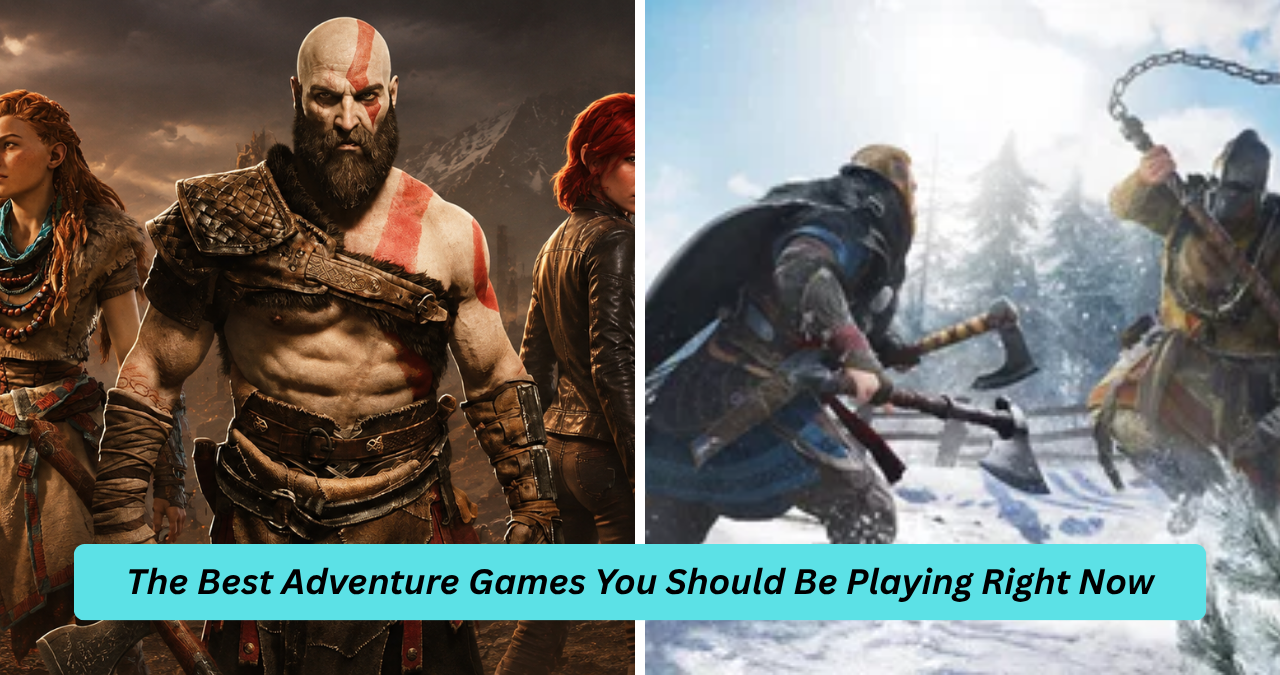
This emotional investment creates a feedback loop that keeps the single player format thriving even as multiplayer and live-service games dominate industry headlines. Players return to story-driven single player games because they offer closure — a beginning, middle, and end crafted with intention, rather than an endless treadmill of seasonal content. That sense of narrative completeness is part of why games like God of War Ragnarök or Elden Ring generate such passionate, lasting fan communities. People don’t just finish these games; they finish them and immediately want to talk about the ending, dissect the themes, and start planning a second playthrough.
How to Choose the Right Single Player Game for You
Picking a game shouldn’t feel like guesswork, and there’s a practical way to approach it. Start by identifying what kind of engagement you’re actually craving right now — do you want to think, to feel something emotionally, or to simply relax and explore? If you’re after intellectual engagement, puzzle and strategy-adjacent titles like The Witness or Return of the Obra Dinn scratch that itch without demanding a huge time commitment. If you want emotional resonance, narrative RPGs and story-driven adventures like Red Dead Redemption 2 or The Last of Us Part II are worth the investment.
Hardware and budget also play a bigger role than people admit. Not everyone has a PS5 or a gaming PC capable of running the latest AAA releases at high settings, and that’s completely fine — the Nintendo Switch alone has an incredible library of some of the best single player games ever made, from Tears of the Kingdom to Hollow Knight. Indie titles in particular have proven that budget doesn’t dictate quality; Hades, developed by a relatively small studio at Supergiant Games, won multiple Game of the Year awards and remains one of the most replayable single player games on the market, proving that clever design consistently beats raw production budget.
The Role of Replayability in Long-Term Enjoyment
Replayability is an underrated factor when evaluating the best single player games, and it deserves more attention than it typically gets in casual conversation. Roguelikes and roguelites like Hades or Slay the Spire are built around the premise that failure itself is part of the fun — every run teaches you something, and no two playthroughs feel identical because of procedural elements and branching upgrade paths. This design philosophy keeps players engaged for hundreds of hours without ever feeling repetitive, which is a genuinely difficult balance to strike.
On the other end of the spectrum, games with meaningful branching narratives — think Detroit: Become Human or the Mass Effect trilogy — encourage replays not through randomized mechanics but through curiosity about “what if.” What if you’d made the opposite choice at that pivotal moment? These games essentially reward players for exploring the boundaries of their own decision-making, and that curiosity-driven replay value is a completely different flavor of longevity compared to mechanical replayability. Both approaches are valid, and honestly, the strongest single player libraries usually contain a healthy mix of both types.
Common Problems Players Face and How to Solve Them
One of the most frequent frustrations solo players run into is decision paralysis — with so many acclaimed titles available, it’s genuinely hard to commit to one. The solution is simpler than it sounds: pick based on mood and available time rather than review scores alone. A 9/10 game that doesn’t match your current headspace will feel worse than a 7/10 game that perfectly fits what you’re craving tonight.
Another common issue is buyer’s remorse from jumping into a massive open-world game without checking pacing beforehand. If you’ve ever bounced off a 100-hour RPG because the opening hours felt slow, you’re not alone — that’s an incredibly common experience, and it doesn’t mean the game is bad, it just means the pacing didn’t match your expectations going in. Reading a spoiler-free overview of a game’s structure before starting, rather than just its overall score, can save you from that mismatch entirely. Platforms like backlog trackers or curated “if you liked X, try Y” recommendation engines have gotten remarkably good at solving this exact problem in recent years.
Frequently Asked Questions
What are the best single player games for beginners?
If you’re new to gaming or easing back into it after a long break, look for titles with forgiving difficulty curves and strong tutorials, such as Horizon Forbidden West, The Legend of Zelda: Tears of the Kingdom, or God of War Ragnarök. These games balance accessibility with depth, so newcomers won’t feel overwhelmed while still getting a rich, satisfying experience typical of the best single player games on the market.
Are single player games better than multiplayer games?
Neither is objectively better — they serve different needs. Single player games offer a controlled, story-driven experience without dependency on other players, making them ideal for people who want to progress at their own pace, savor a narrative, or simply avoid the unpredictability of online interactions. Multiplayer games, on the other hand, thrive on social dynamics and competition. Many gamers enjoy both formats depending on their mood and schedule.
What makes a single player game replayable?
Replayability usually comes from either randomized or procedurally generated content, like in roguelikes such as Hades, or from branching narrative choices that lead to genuinely different outcomes, like in Baldur’s Gate 3 or Detroit: Become Human. Games that offer multiple viable playstyles, hidden content, or alternate endings also encourage players to return long after their first completion.
How long does it typically take to finish a single player game?
It varies enormously by genre and design. Tightly paced titles like Resident Evil 4 or Return of the Obra Dinn can be completed in under 20 hours, while expansive RPGs like Baldur’s Gate 3 or Red Dead Redemption 2 can easily stretch past 80 or even 100 hours with side content included. Checking average completion times before starting a game can help you set realistic expectations and avoid frustration.
Are the best single player games available on all platforms?
Not always. Some of the best single player games are platform exclusives, at least initially — Tears of the Kingdom is Switch-only, while certain PlayStation titles like God of War Ragnarök were console-exclusive for a period before later PC ports. It’s worth checking platform availability before getting attached to a specific title, especially if you’re gaming primarily on one system.
Final Thoughts on Finding Your Next Favorite Game
The best single player games aren’t defined by a single formula — they’re defined by intention, whether that’s a meticulously paced open world, a roguelike built for endless replay, or a twenty-hour narrative you’ll think about for years. What ties the standout titles together is a sense that every design decision, from dialogue writing to combat pacing, was made with the solo player’s experience front and center. That’s a much harder thing to achieve than it sounds, and it’s exactly why certain games rise above the noise year after year.If there’s one takeaway to carry forward, it’s this: don’t chase the highest review score blindly. Match the game to your current mood, your available time, and the kind of engagement you’re actually craving. Do that consistently, and you’ll find that the best single player games aren’t just a list someone else made for you — they become a personal library built around what genuinely resonates with you as a player.